There’s a moment many people recognize only after they’ve lived it: the routine lab result returns “low vitamin D,” yet the bigger question remains—low compared to what, and low in whose body? If you’ve been navigating autoimmune symptoms, fatigue, flare cycles, or ongoing immunomodulatory therapies, vitamin D can feel less like a nutrient and more like a lever. The intriguing twist is that vitamin D isn’t one thing. Vitamin D2 and vitamin D3 share a name, but not necessarily a destiny. What happens when you shift your perspective from “Which vitamin D is better?” to “How does each one behave inside the immune orchestra?”
Vitamin D2 and D3: Two Forms, Different Backstories
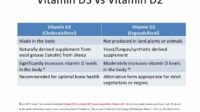
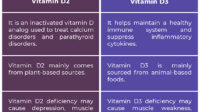
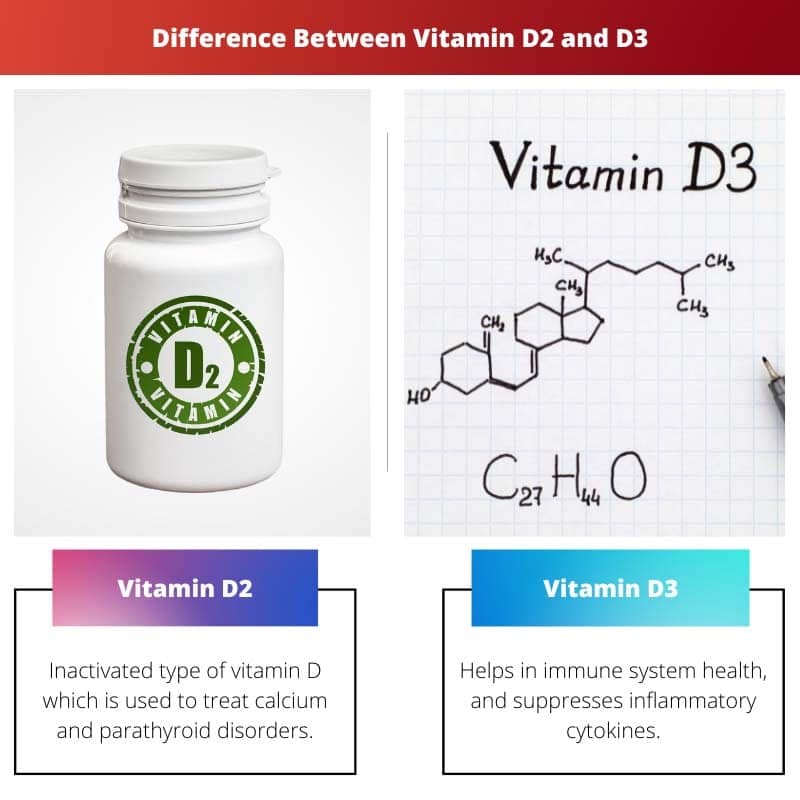
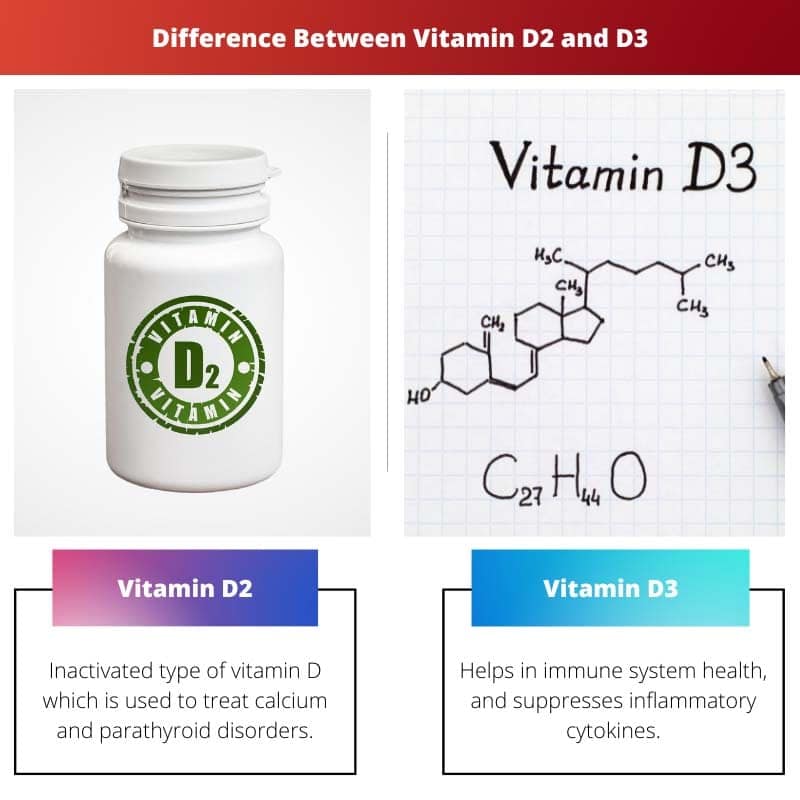
Vitamin D3 is typically associated with sunlight exposure, while vitamin D2 is commonly linked to plant-derived or fungal sources. Yet the immune system doesn’t “care” about where a molecule came from; it responds to what the molecule becomes after it’s metabolized. Both forms eventually travel through liver conversion and then further activation pathways, turning into compounds that can influence gene expression.
Still, the journey is not identical. Vitamin D3 generally yields higher and steadier blood levels in many clinical contexts. Imagine two keys cut for the same lock—both fit, but one turns more smoothly and keeps the door open longer. That “duration” angle matters when autoimmune conditions can behave like recurrent weather systems rather than single events.
Autoimmune Conditions and the Immune System’s Vitamin D Dialogue
Vitamin D interacts with immune cells in ways that feel almost narrative: it can influence T cell differentiation, modulate inflammatory signaling, and affect regulatory pathways that help keep immune responses from overshooting. In autoimmune conditions, the immune system sometimes behaves like a vigilant security system with a hair-trigger alarm—effective against threats, but prone to misidentifying the body as the enemy.
Vitamin D’s role is often described as immunomodulatory rather than simply “anti-inflammatory.” That distinction is subtle but crucial. It’s not only about reducing inflammation. It’s about recalibrating the balance between aggressive immune activity and tolerance. When vitamin D status is low, this recalibration can become less precise, leaving space for dysregulation.
Blood Levels: Which Form Actually Raises and Sustains 25(OH)D?
Most evidence-centered discussions focus on 25-hydroxyvitamin D—often written as 25(OH)D—because it reflects vitamin D stores and is a common biomarker used in research and clinical care. A compelling reason people scrutinize D2 vs D3 is the repeated observation that D3 tends to raise serum 25(OH)D more effectively and may maintain it longer.
Why does “sustained” matter in autoimmune settings? Autoimmune activity often ebbs and surges. If vitamin D levels rise briefly and then drop, the immune system may experience a stop-start signal. In contrast, a steadier elevation can offer a more consistent “tone” in immune gene regulation. The difference can feel like the difference between flicking a dimmer switch and holding the room at a stable brightness.
Mechanisms: How Vitamin D3 Might Influence Immune Signaling More Consistently
Vitamin D participates in signaling through the vitamin D receptor (VDR), which can affect transcription of immune-related genes. Some researchers propose that D3-derived metabolites may have higher affinity or more favorable dynamics for immune modulation. Translation matters: the molecule’s downstream behavior can differ after activation and circulation.
Another overlooked detail is that immune cells rely on local microenvironments—nearby signals, cytokine context, and cell-specific enzyme expression. A vitamin D form that produces a different metabolite pattern could theoretically lead to more consistent immune effects. The story is less about a single “good” molecule and more about the choreography of metabolite availability.
What Studies Suggest About Symptoms, Flare Patterns, and Disease Activity
Evidence varies, because autoimmune conditions vary. Multiple sclerosis, rheumatoid arthritis, autoimmune thyroid disease, lupus-spectrum illnesses—each has distinct immunological textures. Still, the broader theme is consistent: higher vitamin D status correlates with better outcomes in many studies, though correlation isn’t causation.
When trials compare supplementation strategies, vitamin D3 often emerges as the more reliable approach for improving vitamin D status. That matters because if a study’s endpoint is immune improvement, the path likely depends on whether the supplement actually elevates and sustains the biomarker linked with immunomodulatory function.
Here’s a perspective shift worth holding onto: outcomes may not “belong” exclusively to vitamin D. They may belong to the immune consequences of achieving a sufficient vitamin D environment. If D3 more consistently achieves that environment, it can look more effective even when the underlying mechanism is shared.
Safety, Dosing, and the Practical Reality of Long-Term Use
Safety isn’t a footnote. Vitamin D is fat-soluble, so excessive dosing can accumulate. The sensible approach is to individualize: start with baseline levels, consider dietary intake, evaluate sun exposure realities, and then reassess after a trial period.
In practice, clinicians often aim for adequate—not maximal—vitamin D stores. The immune system benefits from a functional signal, not a pharmacologic flood. A thoughtful dosing plan typically includes periodic monitoring of 25(OH)D and may include calcium checks depending on risk factors.
Between D2 and D3, many clinicians prefer D3 when the goal is robust, durable repletion. Yet the “right” choice can also depend on the dosing form available, tolerability, and the patient’s ability to follow a regimen consistently.
Diet, Sunlight, and the Myth of “Natural Always Means Better”
Sunlight can be a source of vitamin D3, but real life rarely allows uninterrupted exposure. Latitude, skin pigmentation, seasonal changes, outdoor time, sunscreen habits, and indoor lifestyles all influence whether sun-derived vitamin D reliably reaches therapeutic levels.
Meanwhile, vitamin D2 is often present in fortified foods or derived from certain organisms. Many people assume that “plant-based D2 is the safer ethical choice.” Ethical considerations can absolutely be important. Still, in an autoimmune-focused lens, the relevant question becomes: which form better fulfills the biological requirement for adequate 25(OH)D?
Natural isn’t always synonymous with optimal pharmacokinetics. A plant-based origin doesn’t negate the possibility that D3 still produces a more favorable rise in serum levels. The most satisfying answer is usually the one that aligns both with personal values and with measurable physiology.
Guidelines, Thresholds, and Why Targets Matter for Immune Outcomes
Different guidelines propose different target ranges. Some emphasize a lower sufficiency threshold; others suggest higher ranges for specific clinical contexts. When autoimmune symptoms are on the table, it’s tempting to chase a number.
But an evidence review encourages restraint and nuance. The objective isn’t a trophy lab value. It’s an adequate vitamin D milieu that supports immune tolerance pathways. For many people, that means moving from insufficiency to sufficiency, then maintaining with a sustainable plan.
In this way, the D2 vs D3 question becomes less about brand loyalty and more about biomarker kinetics: how reliably each form pushes the body toward the target zone.
The Evidence’s Boundaries: What We Know, What We Don’t, and What to Watch Next
Even with promising patterns, the research landscape has limitations. Autoimmune trials are complicated by medication interactions, baseline vitamin D status, differences in disease phenotype, and adherence variability. Outcomes can also be influenced by confounders such as weight, physical activity, and comorbid conditions.
There’s also the biological nuance that vitamin D isn’t acting alone. The immune system is a multi-instrument ensemble. Magnesium, vitamin K, calcium status, and overall nutrition can affect vitamin D utilization and downstream pathways. A patient might correct vitamin D but still miss supporting nutrients that help the whole regulatory system function.
What to watch next is increasingly sophisticated metabolite tracking, studies that compare not only serum 25(OH)D but also active metabolites, and trials that stratify by baseline deficiency levels and immune disease type.
A Shift Toward Informed Choice: How to Decide Between D3 and D2
If you’re trying to make a decision, start with this reframe: vitamin D is a tool, and the best tool is the one that reliably corrects your deficiency state. For many people, vitamin D3 offers a more dependable rise and maintenance of 25(OH)D, which can indirectly support immune modulation.
Yet the decision should remain individualized. Consider your baseline levels, your dosing preferences, your exposure realities, and any medical constraints. If D2 is the only accessible option, it may still help. But if the goal is maximum repletion efficiency and sustained status, D3 often looks like the more compelling bet.
Conclusion: The Quiet Power of Consistent Vitamin D Signaling
Autoimmune conditions can feel like persistent narrative arcs—chapters of flare, chapters of recovery. Vitamin D2 vs D3 sits at an interesting intersection of physiology and hope. The most evidence-aligned takeaway is that vitamin D3 often performs better in elevating and sustaining serum vitamin D status, and that adequate vitamin D status may support immune recalibration.
In the end, the most powerful question isn’t “Which vitamin D is better in theory?” It’s “Which vitamin D form helps your body achieve consistent immune-friendly conditions?” When you view supplementation through that lens, the discussion becomes less like a debate and more like a plan—measurable, adjustable, and grounded in biology.