Ever stared at your supplement label and wondered, “Are Vitamin D2 and D3 just two names for the same thing… or is my hair about to find out the difference?” It sounds whimsical, but hair biology is anything but casual. Below is a clear, hair-focused journey through what distinguishes Vitamin D2 from Vitamin D3—and why that distinction might matter more than your current routine suspects.
Vitamin D and Hair: Why This Hormone-Like Nutrient Shows Up in the Plot
Vitamin D functions less like a vitamin in the everyday sense and more like a signaling molecule—an orchestrator that nudges cells to behave. Hair follicles contain vitamin D receptors, which means follicles can “listen” for the signal. When the signaling pathway is healthy, follicles can shift toward growth rather than stagnation. When it’s disrupted, the result can look like dullness, shedding, or slower regrowth.
Here’s the playful twist: you can have a solid shampoo, an expensive conditioner, and even a dramatic blowout… yet still experience hair turbulence if systemic factors are askew. Vitamin D is one of those systemic factors.
The Core Distinction: D2 vs D3 in Plain Chemistry (Without Making It Boring)
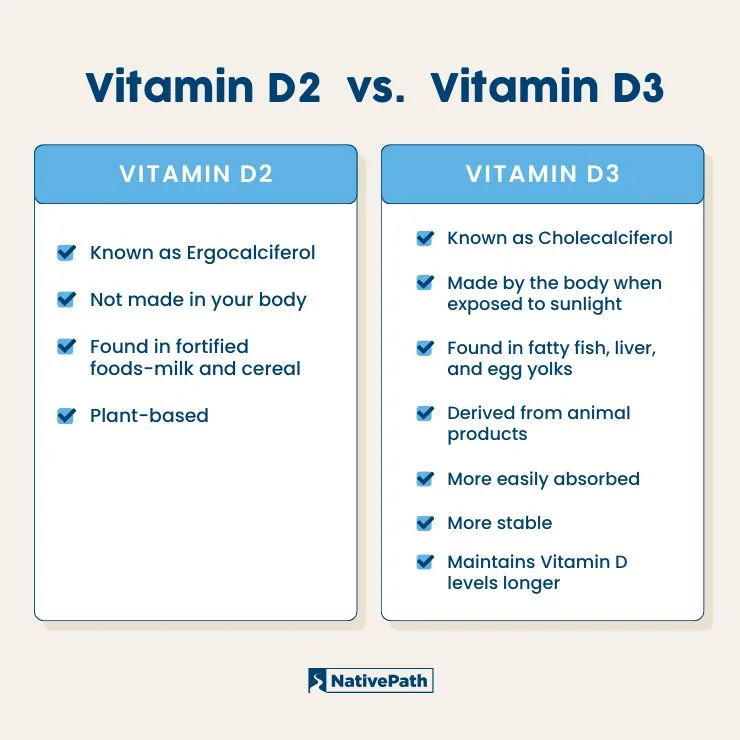
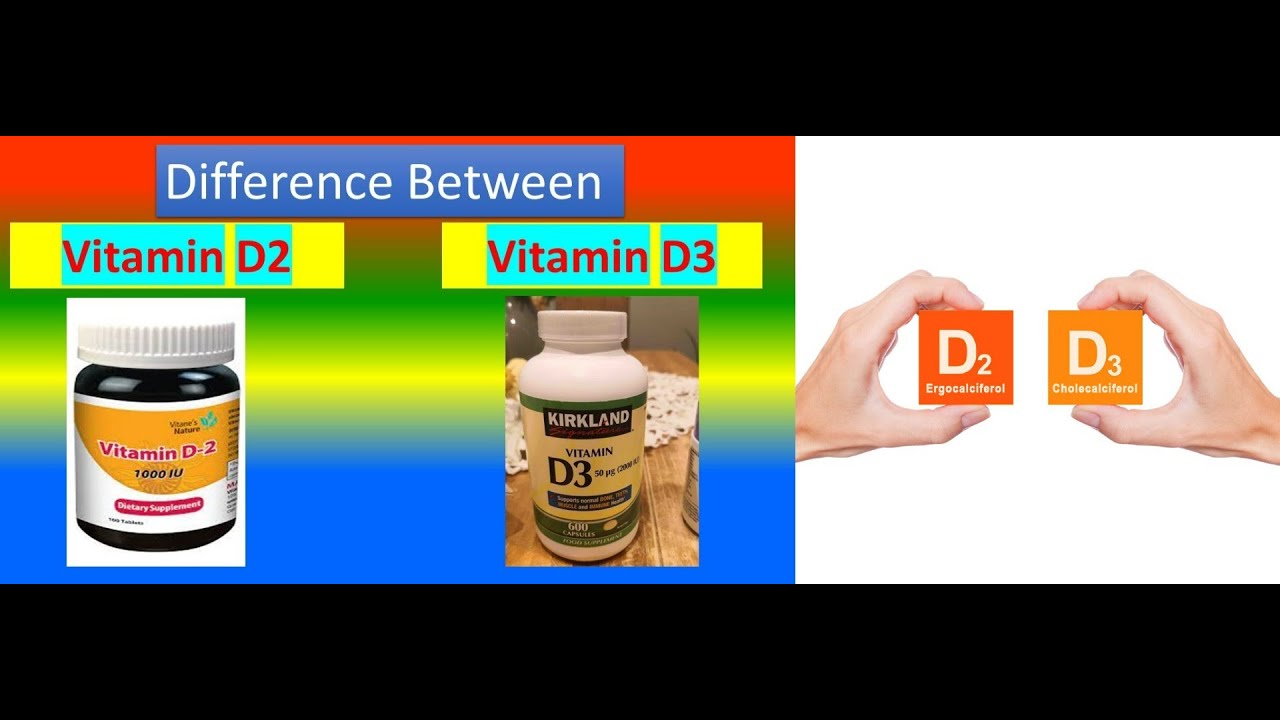
Vitamin D exists in multiple forms. Vitamin D2 (ergocalciferol) typically originates from plant-based sources and certain fungi. Vitamin D3 (cholecalciferol) is commonly associated with animal-based sources and is also the form the body can produce after sun exposure.
Structurally, they differ in subtle molecular features—differences small enough to evade casual notice, yet significant enough to influence how the body uses them. Think of D2 and D3 as two keys that appear similar at first glance, but one fits more snugly in the lock of human physiology.
Why hair should care? Because the pathway that supports follicle function depends on circulating vitamin D levels—and the body’s ability to maintain and activate them.

Absorption and Bioavailability: Which Form More Reliably Raises the Level?
One potential challenge many people face is the “numbers game.” Hair issues often lag behind nutrient deficiencies, and it can take time to notice improvements even when supplementation is helpful. But before hair can respond, blood levels must first reach a supportive range.
In many real-world scenarios, Vitamin D3 tends to be the more dependable form for elevating and sustaining vitamin D status in the body. D3 has been associated with stronger effectiveness in raising serum 25-hydroxyvitamin D—the marker clinicians often use to gauge vitamin D sufficiency.
Vitamin D2 can help too, especially depending on dose and individual metabolism. Still, if your goal is hair-supportive stability, the choice of D2 versus D3 may feel like selecting a rowing strategy: both get you forward, but one may keep you steadier when the current changes.
Conversion and Activation: How the Body Turns Vitamin D into a Usable Signal
After vitamin D enters the body, it undergoes conversion steps that culminate in active forms capable of influencing gene expression. These steps matter because follicles respond to specific signaling cues.
When conversion and utilization are efficient, the follicle environment can become more conducive to maintaining growth. When they’re less efficient—or when levels are inconsistent—hair may trend toward shedding, texture change, or slower recovery after stressors.
In practical terms, D3 often aligns better with the body’s preferences for sustained availability, while D2 may require more careful dosing planning to match outcomes.
Hair Concerns That Commonly Intersect with Low Vitamin D
Not every hair issue is a vitamin D issue. Yet certain patterns frequently overlap with deficiency states. People may report:
Increased shedding: Hair fall that seems disproportionate to wash frequency or seasonal change.
Thinning over time: Gradual reduction in density, especially in areas that used to feel fuller.
Slower regrowth: After trimming, breakage, or damage, hair doesn’t bounce back as quickly.
Scalp mood: Some individuals experience dryness or an inflamed-feeling scalp, which can indirectly worsen hair quality.
The playful caution is this: don’t assume deficiency without testing. The more strategic move is to treat vitamin D like a detective—collect evidence first, then act.
Supplement Form Matters: Pills, Drops, and the Usual Dilemmas
Even when you choose D2 or D3 correctly, you still face other variables: dosing accuracy, consistency, and absorption factors. Fat-soluble nutrients benefit from taking with a meal containing dietary fat. If a supplement is taken inconsistently—especially on an empty stomach—results can become erratic.
Another challenge is “label literacy.” Some products provide vitamin D but also include different carriers or dosing intervals. That doesn’t mean they’re bad; it means you should treat them like engineered systems, not magic potions.
If you’re comparing options, pay attention to the form (D2 vs D3), the dosage per unit, and whether your plan includes periodic bloodwork. Hair is patient, but your follicles are not psychic.
Vegetarian, Vegan, and Sun-Lover Realities
Dietary preference can steer choices. Vitamin D2 is often the go-to in plant-focused contexts. Meanwhile, D3 is frequently derived from animal sources, though vegan alternatives exist in the marketplace through specialized production methods. Sun exposure can create D3 endogenously, but it comes with complexity: skin tone, latitude, season, sunscreen habits, and time outdoors all influence synthesis.
If you’re considering a vegan approach, examine whether the D3 product uses a vegan-appropriate manufacturing route. Otherwise, D2 may be your most straightforward option. The best choice is whichever form helps you maintain sufficient levels consistently—again, measured through follow-up labs if possible.
What About Safety and Dosing? Avoid the “More Must Mean Better” Trap
Hair supplementation feels like a battlefield where under-dosing is failure and over-dosing is victory—until you realize biology doesn’t obey that fairytale. Vitamin D is fat-soluble, which means excessive intake can accumulate. Potential risks include hypercalcemia, which can cause symptoms like nausea, weakness, and confusion in severe cases.
That’s why a sensible routine often looks like: choose a form (D2 or D3), use an evidence-informed dose, and reassess with bloodwork rather than guessing. If you have kidney issues, a history of calcium-related problems, or you take medications that affect calcium metabolism, professional guidance becomes particularly important.
How Long Until Hair Might Notice? The Timeline Is Slower Than You Want
Here’s the unsettling truth: follicles don’t respond overnight. Hair grows in cycles, and nutrient support influences those cycles gradually. You might notice reduced shedding within a few months if deficiency is the driver. But visible thickening and texture changes typically take longer—often several hair-growth intervals.
So when you choose D2 or D3, treat it like planting a flag rather than expecting instant conquest. Track changes patiently: photo comparisons, shedding logs, and overall scalp comfort can help you detect trends without spiraling into “guesswork anxiety.”
Practical Selection Guide: Choosing Between D2 and D3 for Hair Goals
If your primary aim is hair support and you want the most consistent path to improving vitamin D status, D3 is often favored in supplementation strategies. But “often” isn’t “always.” Individual factors—baseline vitamin D level, diet, absorption tendencies, adherence, and lab results—shape the outcome.
Consider this decision logic:
If you want dependable serum improvement: D3 may be the smoother route.
If you need plant-based alignment: D2 can work, provided dosing is appropriate and follow-up is done.
If you’re unsure: test first, then adjust. Hair thrives on precision.
Final Thought: Your Hair Doesn’t Need Guesswork, It Needs Signals
Vitamin D2 and D3 may look like near-identical players on the label, but the body’s interpretation isn’t identical. For hair, the key question isn’t which form sounds more familiar—it’s which form helps you achieve and maintain the vitamin D level that follicles can actually use.
So next time you reach for a bottle, ask yourself a sharper question than “Will this help?” Try: “Is this the form that will keep my vitamin D signaling stable enough for my hair to recover?”