Tonsillitis has a way of arriving like an uninvited guest who keeps slipping past the door—sweetly at first, then insistently, and finally with the kind of sore-throat drama that disrupts sleep, appetite, and patience. When infections recur, the throat feels less like a neutral corridor and more like a battleground—scarred by inflammation, guarded by anxious immune sentinels, and haunted by the question: what else could be nurturing the cycle?
Vitamin D enters the story as a quietly influential conductor. Not a mere “supplement,” but a molecular diplomat that helps coordinate the immune orchestra—sometimes when the body is tired, compromised, or simply not receiving enough of the cues it needs. In the context of recurrent throat infections and tonsillitis, vitamin D is often discussed as a plausible support system: a way to steady defenses, modulate inflammatory turbulence, and potentially reduce the frequency or severity of episodes.
Understanding Tonsillitis: When the Throat Becomes a Battlefield
The tonsils are lymphoid tissue—immune “outposts” positioned where air and food take their first breath of contact with the body. Their job is not to be decorative. They sample antigens, communicate with immune cells, and help orchestrate localized defenses. But when microbial aggressors repeatedly breach the defenses—or when the immune response becomes oversensitized—tonsils can become chronically reactive.
Acute tonsillitis can flare rapidly with sore throat, fever, swollen lymph nodes, and painful swallowing. Chronic or recurrent tonsillitis often follows a pattern: inflammation returns again and again, and the throat’s internal weather changes—redness persists, discomfort lingers, and recovery seems slower than expected. This recurring cadence suggests more than “bad luck.” It hints at immune dysregulation, inadequate barrier support, or immune signaling that isn’t achieving equilibrium.
One compelling metaphor frames it this way: imagine the throat as a medieval fortress. Tonsils are the watchtowers, immune cells are the guards, and inflammatory molecules are the smoke signals. Vitamin D is like a regulator of signal clarity—helping prevent false alarms while supporting a timely response against true threats.
Vitamin D Beyond Bones: The Immune-Regulation Role
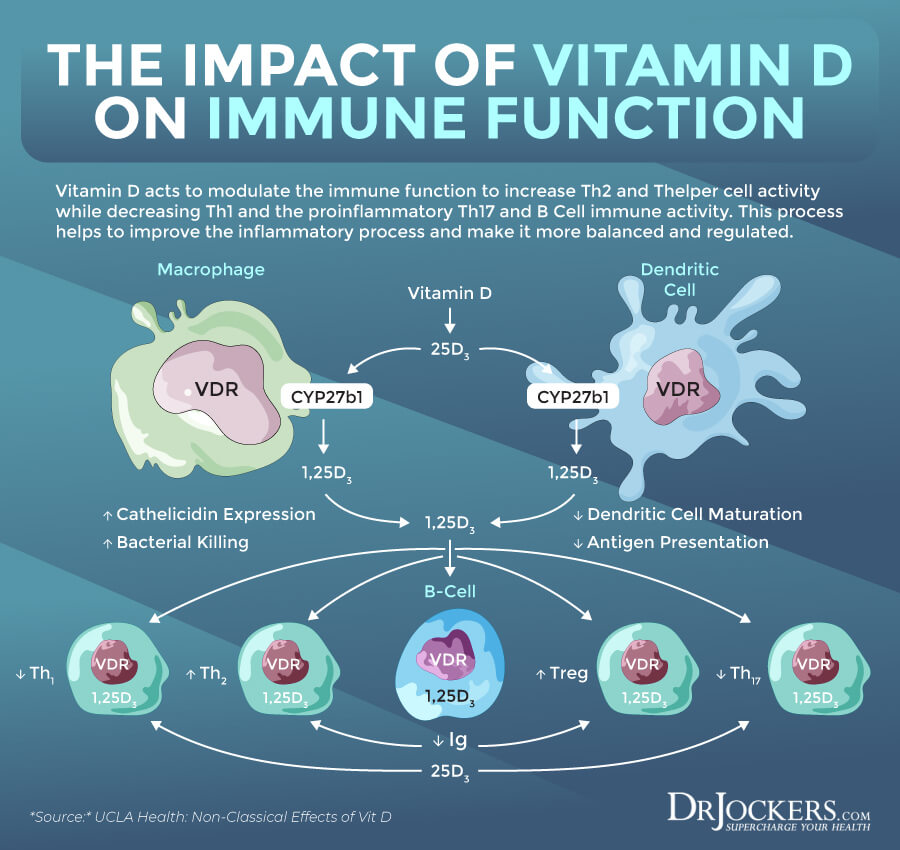
Vitamin D is often introduced to the world as a bone-building nutrient. Yet its true range of influence is far wider. Cells involved in immune function—such as macrophages and lymphocytes—can respond to vitamin D signaling. It acts through vitamin D receptors, participating in immune “tuning.”
In practical terms, vitamin D can influence both arms of immunity. It may support innate defenses, helping the body recognize and neutralize pathogens more effectively. It may also modulate adaptive immunity, encouraging a balanced response rather than an overly volatile one. The immune system is not meant to be a drumline forever. It needs rhythm, not constant chaos.
Think of inflammation as a wildfire. The body requires controlled burns to eliminate threats. Vitamin D is proposed to help firefighting teams coordinate—reducing the probability that small sparks become full-scale blazes.
Why Recurrent Throat Infections May Track With Vitamin D Status
Recurrent infections can reflect a layered vulnerability: environmental exposures (like viral seasons), anatomical irritants (such as persistent post-nasal drip), and immune factors. Vitamin D status is one potential variable that appears across many studies about respiratory infections and immune performance.
Low vitamin D levels are more common in people who receive limited sunlight, spend extended time indoors, or have dietary patterns that don’t supply adequate amounts. In children, skin pigmentation, latitude, and seasonality can also play roles. When vitamin D is insufficient, immune signaling may become less efficient—like a communication channel that sometimes drops out exactly when it’s most needed.
However, it is crucial to keep the narrative honest: vitamin D is not a magic shield. Recurrent tonsillitis involves multiple causes—bacterial and viral triggers, allergen-driven inflammation, and sometimes structural contributors. Vitamin D may be a supportive influence, not a single-point cure.
Evidence and Plausibility: Linking Vitamin D to Tonsillitis Outcomes
Interest in vitamin D for recurrent throat infections stems from a broader pattern: vitamin D is frequently associated with respiratory immune resilience. The proposed mechanism is elegant. Vitamin D can promote antimicrobial peptide production—compounds that help the body directly impede pathogens. It may also help regulate cytokines, the chemical messengers that govern inflammation.
When infection recurs, the body may be caught between two extremes: either defenses are too weak to eliminate threats quickly, or inflammation persists too long, delaying recovery. Vitamin D’s immune-modulating profile is relevant to both possibilities. The goal is not merely to “fight harder,” but to respond more intelligently.
Still, clinical outcomes vary. Some people with low vitamin D experience improved resilience with adequate repletion, while others show minimal change. Genetics, baseline immune function, adherence to supplementation, and concurrent triggers (like allergies or hygiene factors) can all steer the final result.
How Supplementation Is Typically Approach: Safety, Dosing, and Monitoring
If vitamin D is explored as a support strategy, the safest path usually begins with assessment—especially in recurrent cases where the goal is to avoid guesswork. Clinicians often consider blood tests for 25-hydroxyvitamin D, which reflect vitamin D stores.
Supplementation strategies can differ by age, baseline levels, body weight, and overall health. Some individuals may require repletion doses to correct deficiency, followed by maintenance dosing. For others, smaller daily amounts may be enough. Because vitamin D is fat-soluble, excessive dosing can be harmful, so the emphasis should always be on appropriate levels and medical guidance.
In children, this becomes even more important. The throat may be the focus, but dosing safety remains the priority. Over-supplementation can cause hypercalcemia and other complications. The point is not to flood the system—it is to calibrate it.
Diet, Sunlight, and Lifestyle: Building the “Vitamin D Infrastructure”
Supplementation is one lever, but it sits inside a larger system. Sunlight exposure contributes to vitamin D synthesis in the skin, though factors such as season, cloud cover, latitude, skin type, and sun-protective habits can alter the outcome. Dietary intake can provide another portion of support.
Foods that can contribute to vitamin D include fatty fish, fortified dairy or plant alternatives, and fortified cereals. Yet diet alone may not consistently correct low vitamin D, especially during winter months or for individuals with limited sun exposure.
Lifestyle also matters indirectly. Sleep quality influences immune orchestration; stress can shift inflammatory balance; and hydration supports mucosal comfort. Recurrent throat infections thrive in disorganized conditions, like commuters moving through a poorly managed transit hub. Stabilizing daily rhythms helps reduce the odds of repeated disruptions.
Complementary Steps: Supporting Recovery and Reducing Triggers
Vitamin D may support immune steadiness, but recurrent tonsillitis often requires a multi-pronged plan. Allergy management can be a hidden cornerstone. Post-nasal drip and chronic irritation can keep the throat inflamed, making it easier for infections to take root.
Maintaining good oral hygiene, encouraging gentle throat care, and addressing reflux symptoms when present can reduce baseline irritation. For children, ensuring adequate hydration and minimizing exposure to respiratory irritants—such as smoke—can also help the throat’s recovery environment.
When infections are frequent, clinicians may consider testing for bacterial triggers, evaluating patterns, and sometimes recommending further evaluation if there is concern for persistent disease. The objective is not endless waiting—it is targeted clarity.
When to Seek Medical Attention: Red Flags and Practical Guidance
Most sore throats are temporary. But recurrent tonsillitis deserves medical review, especially when it affects growth, causes missed school or sleep disruption, or follows a predictable cycle. Immediate care may be warranted if there is difficulty breathing, inability to swallow fluids, severe dehydration, drooling, muffled voice, or high fevers that do not improve.
If episodes are frequent—commonly discussed thresholds involve multiple infections per year—medical teams may consider whether tonsillar hypertrophy, chronic bacterial carriage, or other conditions are contributing. At that stage, vitamin D assessment can be a supportive adjunct to the broader evaluation.
Think of it as assembling a toolkit. Vitamin D might be one tool, not the entire toolbox.
A Unique Appeal: Vitamin D as the Quiet Architect of Immune Harmony
What makes vitamin D intriguing in the tonsillitis narrative is its character. It does not announce itself with dramatic symptoms. It works behind the scenes, like an architect smoothing the blueprint of immune communication. When the blueprint is poorly drawn—when vitamin D stores are low—immune response may become less coordinated, more erratic, and slower to achieve balance.
Recurrent throat infections often feel personal and persistent. The throat becomes a recurring chapter in an ongoing story. Vitamin D offers a different kind of plot twist: a chance to shift the stage conditions, so immune defenses can respond with greater precision rather than repetitive struggle.
For many people, that alone is a compelling reason to explore vitamin D thoughtfully—paired with medical guidance, sensible lifestyle supports, and attention to the triggers that repeatedly flare the throat.
Conclusion: Steadying the Throat’s Future
Vitamin D for tonsillitis and recurrent throat infections is best understood as an immune harmonizer—one that may support antimicrobial activity and help regulate inflammation. It is not a standalone solution, but it can be an important piece of a larger health mosaic.
If throat infections recur, consider vitamin D as a reasonable variable to evaluate, especially where deficiency risk is plausible. With appropriate testing, safe supplementation, and complementary trigger management, the throat may move from a recurring battleground toward a quieter, more resilient frontier.