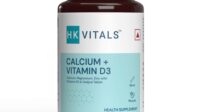
Dental health often feels like a simple equation: brush, floss, repeat. Yet many people notice a quieter truth—cavities don’t always arrive with dramatic warning. They creep in, sometimes despite diligent brushing, and suddenly a tooth feels “different.” That common observation is where D3 + K2 enters the conversation. Not as a trendy substitute for hygiene, but as a thoughtful molecular partnership that may help the body manage the mineral choreography behind enamel resilience.
Why cavities still sneak in—even with good brushing
When cavities appear “out of nowhere,” it can be baffling. Plaque is visible only after it’s already working its way into the biofilm matrix. Even with brushing, microscopic residues cling to grooves, fissures, and between-teeth surfaces. Then come the recurring assaults: acidic dietary episodes, frequent snacking, dry mouth, and saliva variability. Short bursts of demineralization can outpace the tooth’s natural remineralization cycle.
Here’s the deeper reason fascination builds around nutrients: teeth are not static structures. Enamel is a dynamic mineral lattice, constantly losing and regaining ions. If the body lacks supportive nutrients—or if mineral utilization is poorly directed—rebuilding efforts may lag. This is where vitamins and their activators can matter.
D3: The spark that helps calcium do its job
Vitamin D3 is often described as the “calcium facilitator,” but the story is more nuanced. D3 supports the intestinal absorption of calcium and phosphate, two key mineral components of tooth structure. Without adequate D3, the bloodstream may contain calcium, yet the digestive system may not move it efficiently into usable territory. Think of it like a well-built warehouse where the shipping dock never opens fully.
Vitamin D also plays a regulatory role in immune function. That connection may matter because oral health is influenced by inflammation and microbial balance. While cavities are classically explained through bacterial acid production, the surrounding environment—saliva, local immunity, and inflammation—can tilt the odds.
Many people simply don’t get enough sunlight-driven synthesis, especially with indoor schedules and seasonal changes. The result can be chronic, low-grade insufficiency that remains unnoticed until dental troubles become more obvious.
.jpg?type=mq)
K2: The traffic controller for minerals (and why it matters)
Vitamin K2 is frequently described as a “targeting” nutrient. In plain terms, it helps activate proteins that guide where minerals go. One of the best-known roles is supporting osteocalcin and matrix Gla protein, proteins involved in mineralization processes in the body.
For dental health, the fascination is straightforward: calcium and phosphate need the right molecular escorts. Without proper signaling, minerals may not be deposited where they should be, or they may be handled less efficiently. K2 is often compared to an experienced conductor—keeping the mineral orchestra aligned with its intended performance.
This is also why some people feel D3 alone isn’t the whole solution. D3 can increase mineral absorption, but K2 can influence mineral utilization and distribution. Together, they form a plausible synergy: absorption plus accurate delivery.
And still, the deeper magic is indirect. When mineral deposition and local tissue maintenance function more smoothly, the tooth’s defensive capacity may improve—making it harder for repeated acid challenges to carve pathways.
The synergy: D3 + K2 as a mineralization duo
Imagine calcium as valuable cargo. D3 helps the body load more cargo from the gut. K2 helps determine the route and final destination. The combined effect is less about a dramatic single-day transformation and more about long-term support for the processes that keep enamel hard, structured, and resistant to early demineralization.
Dental remineralization depends on a careful balance of ions and conditions. Enamel repair is not instant; it’s cyclical. That means nutrients that support mineral management may be most relevant when habits are consistent and exposure to risk factors—like frequent acidity—is managed.
It’s also worth addressing a common misconception. Supplements don’t “seal” cavities that already exist. Instead, they may help optimize the background mechanics—so early enamel damage is less likely to advance.
How cavities actually form: the acid–biofilm feedback loop
Cavities are not random. They often originate from a biofilm that metabolizes sugars and produces acids. Those acids lower pH, pulling minerals out of enamel. Over time, the outer surface becomes porous; then the damage can progress inward. Even when brushing removes plaque, the pattern of future acid exposure determines whether the tooth gets a chance to recover.
Saliva is the quiet hero here. It buffers acids and supplies minerals. Nutrient status may influence oral tissue health, saliva-related dynamics, and the immune landscape. The mouth is an ecosystem, not a sterile lab.
D3 and K2 fit into this ecosystem as supportive background tools—helping the body optimize mineral-related signaling and deposition, potentially strengthening the enamel environment where remineralization takes place.
Practical ways to pair nutrition with prevention habits
Even the best micronutrient strategy won’t outmuscle poor mechanical cleaning or constant sugar exposure. Prevention thrives on a triad: mechanical disruption, chemical buffering, and dietary pacing. Brush gently but thoroughly, floss daily, and consider fluoride toothpaste as a proven enamel-strengthening ally.
Dietary timing matters. Frequent sipping of sweetened beverages keeps pH low more often than people realize. Choose water between meals. If cravings strike, aim for fewer, meal-based sugar exposures rather than continuous grazing.
Also consider habits that affect saliva: mouth breathing, dehydration, and certain medications can increase vulnerability. Hydration is not a slogan—it supports buffering and mineral replenishment.
Signs you might benefit from checking vitamin D status
Low vitamin D can be subtle. Some people experience muscle aches, fatigue, or reduced resilience to seasonal shifts in health. Others show no obvious symptoms, yet blood tests reveal deficiency. Because vitamin D status influences calcium handling, screening can be a practical step—especially for people with limited sun exposure or dietary constraints.
Dental concerns can also be a clue. If cavities recur despite consistent hygiene, the body’s capacity to support mineral processes may be worth evaluating, alongside fluoride use and dietary patterns.
Safety notes and thoughtful supplementation
Supplements are powerful, but they should be approached with restraint and awareness. D3 and K2 are fat-soluble vitamins, meaning they accumulate in the body if taken excessively. That’s why appropriate dosing matters.
Another critical consideration involves medication interactions. People taking blood thinners—particularly warfarin—must consult a clinician before using vitamin K supplements, because vitamin K can affect coagulation pathways. Even without medication concerns, personalized guidance supports safer outcomes.
Finally, remember that supplements are best integrated into a full prevention plan: fluoride, routine dental visits, diet pacing, and meticulous cleaning.
Beyond cavities: broader oral and systemic implications
Dental health doesn’t exist in isolation. Inflammation in the mouth can interact with systemic health. Mineral-related pathways influence bone and connective tissue integrity, which can affect how teeth are supported over time. While the headline goal here is cavity prevention, the fascination extends further—toward maintaining a sturdier oral foundation.
When enamel and supporting tissues function well, the mouth feels more stable: less sensitivity, fewer recurring issues, and a better chance that early enamel changes don’t escalate.
A balanced conclusion: fascination grounded in biology
D3 and K2 have a compelling narrative: absorption support and mineral targeting, working together in the mineralization cycle that enamel relies on. That doesn’t mean they replace brushing or fluoride. It means they may help create a more favorable biochemical backdrop for remineralization and long-term resilience.
Start with solid fundamentals, then consider nutrient optimization—especially if deficiencies are plausible. The mouth may look like a simple surface, but under that glossy enamel is a constantly negotiating mineral world. D3 + K2—used wisely—can be part of that negotiation, nudging biology toward strength rather than surrender.