Somewhere between the shampoo aisle and the supplement shelf, a quiet question keeps resurfacing: can vitamin D—specifically D3 or D2—actually influence hair growth? It sounds almost too tidy, almost like a single lever that can pull an entire outcome. Yet hair is rarely that simple. The scalp is a living ecosystem, hair follicles are mini-organs with their own rhythms, and hormones, inflammation, nutrition, and genetics all argue for attention. Still, vitamin D remains one of the more intriguing players, especially when you’re staring at thinning strands and wondering whether you’re missing an underlying signal.
Now comes the pivot. Instead of asking, “Which one magically grows hair?” consider a better, more curious question: “What role might vitamin D forms play in the biology that supports follicle life?” When you shift your perspective like that, D3 vs. D2 stops being a marketing duel and becomes a map—one with practical, measurable landmarks.
Vitamin D and the Hair Follicle: The Missing Link People Don’t Talk About
Hair growth isn’t just about “growing more hair.” It’s about keeping follicles in the growth phase long enough, reducing inflammatory friction, and ensuring follicles can respond to growth signals. Vitamin D participates in cellular signaling, including pathways related to immune regulation and cell differentiation. Since the scalp hosts a complex immune environment, vitamin D can be viewed as a kind of conductor—subtly shaping how immune activity affects follicle health.
When vitamin D status is low, the stage can be set for dysregulated inflammation. Over time, that environment may contribute to shedding or slower regrowth. It’s not a guarantee. It’s a possibility grounded in physiology: vitamin D receptors are present in many tissues involved in hair biology, so deficiency isn’t merely a lab curiosity—it’s potentially a condition that changes the scalp’s “tone.”
D3 vs D2: What’s Actually Different Under the Hood?
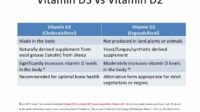
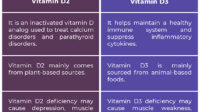
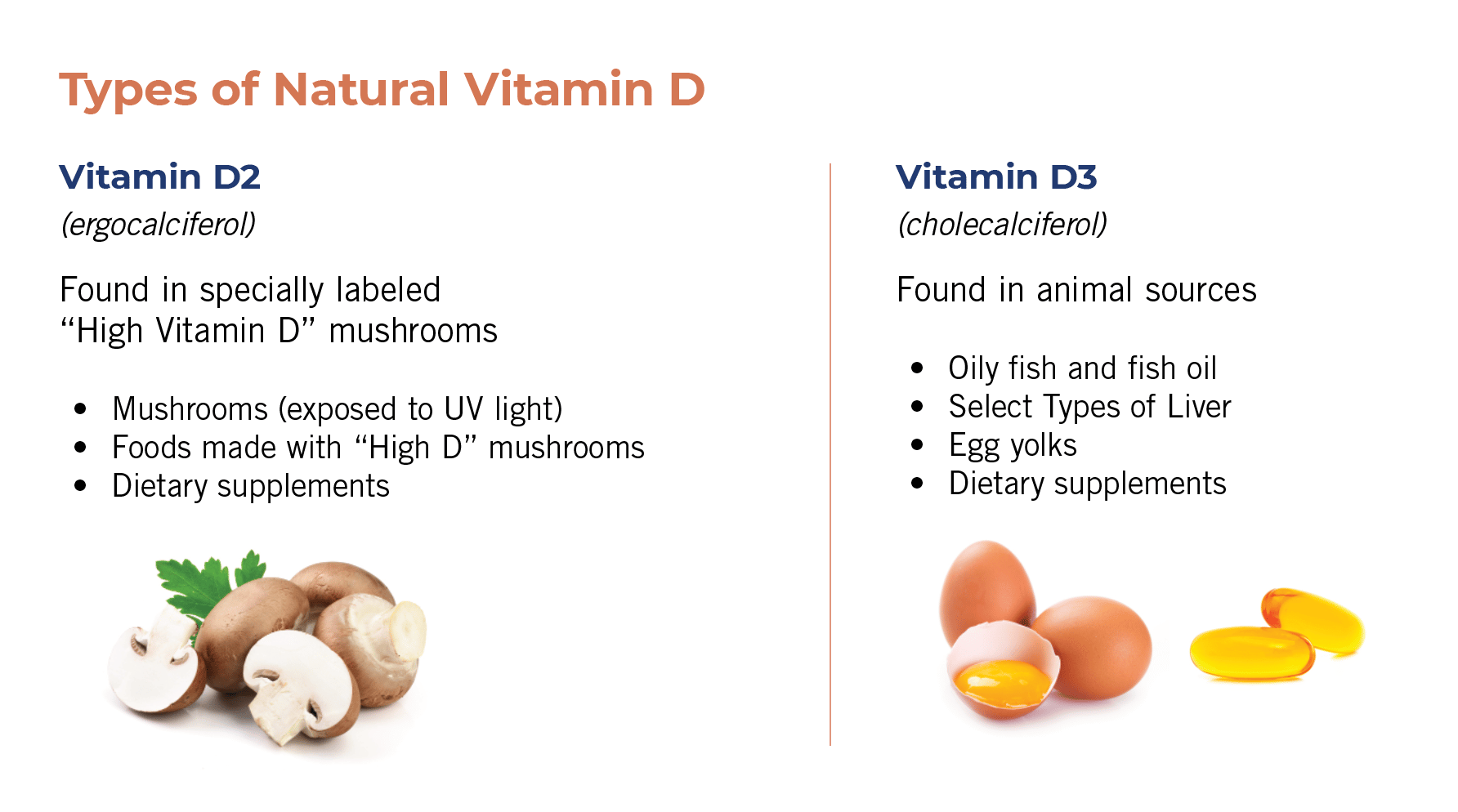
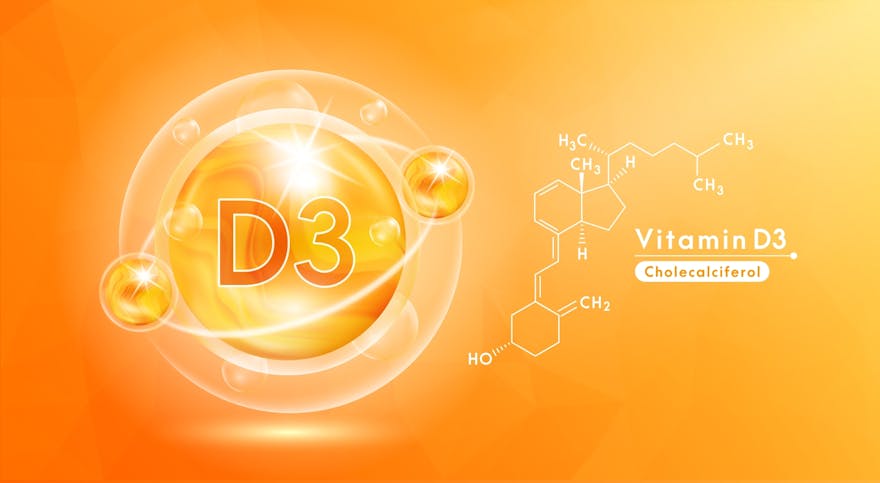
Vitamin D exists mainly in two supplemental forms: D2 (ergocalciferol) and D3 (cholecalciferol). Both can raise blood vitamin D levels, but they differ in how they’re processed, how they circulate, and how long they tend to remain bioavailable.
In narrative terms, imagine vitamin D forms as two keys designed for the same door. They both can turn the lock. But one key may fit with smoother precision. D3 is often described as more “efficient” at increasing and sustaining serum 25-hydroxyvitamin D, the primary marker used to assess vitamin D status. That difference matters if your goal is consistent vitamin D availability for follicle-supporting signaling.
If you’re exploring hair growth, this matters because consistency beats spikes. Follicles don’t operate on a dramatic storyline; they respond to steady physiological conditions.
Hair Growth Promises: The Real Story Behind the Hype
“Take vitamin D and your hair will grow back” is a sentence designed for headlines, not bodies. Hair loss is a spectrum: androgenetic alopecia, telogen effluvium, alopecia areata, nutrient deficiencies, thyroid issues, scalp inflammation, stress physiology, and more. Vitamin D might be relevant in several of these categories, but it’s rarely the sole determinant.
Here’s the shift in perspective: instead of imagining vitamin D as a magic growth fertilizer, treat it like a regulatory nutrient. It doesn’t overwrite genetics. It doesn’t instantly rewrite follicles. But it may help correct a biological bottleneck—especially when deficiency exists.
That nuance is the difference between “fact or fiction” and “maybe, depending.” When people report improvements, they often had low vitamin D to begin with. When vitamin D is already adequate, the incremental benefit tends to shrink. In other words, the supplement can be impactful—or anticlimactic—based on your baseline.
Why D3 Often Gets the Advantage (and Why D2 Isn’t Irrelevant)
D3 is frequently favored because of its stronger track record for raising serum vitamin D levels. Think of it as the more reliable delivery system. If your goal is to optimize vitamin D status for long-term scalp health, D3 may be the steadier courier.
D2 can still work. It contributes to vitamin D levels, and some people use it successfully—particularly if it’s what’s available, tolerated, or prescribed. The key isn’t that D2 is “fake.” The key is that D3 may be more efficient for maintaining status. Hair biology is slow-burn. Follicle cycles take time. If a form doesn’t maintain levels as effectively, the downstream effect on regrowth signals may be muted.
So the most honest interpretation is this: D3 often has an edge in consistency; D2 is not meaningless; the bigger determinant is whether vitamin D status improves and remains within a supportive range.

What Deficiency Looks Like: The Clues Before You Self-Supplement
Vitamin D deficiency can creep in quietly. Reduced sun exposure is the obvious factor, but indoor routines, darker skin pigmentation, seasonality, and certain health conditions can also contribute. Symptoms are often nonspecific. Fatigue, low mood, musculoskeletal discomfort—none of these point exclusively to vitamin D. That’s the trap: you may suspect vitamin D because it’s popular, but you might be chasing the wrong shadow.
Hair shedding, however, can sometimes accompany nutritional or endocrine disturbances. If your hair is changing—especially diffuse shedding after stress, illness, or dietary restriction—testing becomes more than a formality. A 25-hydroxyvitamin D blood test offers clarity and prevents supplement roulette.
When you know your baseline, you can choose the more fitting strategy: D3 for sustained correction, D2 when it’s the only option, and either way, a plan that avoids overshooting.
Timing and Expectations: How Long Does Vitamin D Support Hair?
Hair growth is not a “next morning” event. The hair cycle moves on its own metronome. Even if vitamin D helps shift follicle signaling, visible changes typically require weeks to months. Shedding can also be misleading in the short term—your scalp may take time to stabilize.
Instead of judging progress by daily observation, use a broader lens: reduced shedding frequency, improved density over time, and slower breakage patterns. Photos taken consistently (same lighting, same angle) can help. Patience isn’t just etiquette; it’s an experimental design.
One more nuance: if vitamin D deficiency is present but the hair issue is driven mainly by another factor—such as androgen sensitivity—vitamin D may become a supportive side character rather than the lead actor.
Dosage and Safety: The Boundary Between Helpful and Harmful
Vitamin D is fat-soluble, which means it can accumulate. “More” doesn’t always mean “better.” Higher doses can lead to elevated calcium levels and other complications. That’s why dosing should ideally be individualized based on blood test results and clinician guidance—especially for long-term use.
For hair-focused goals, the safest strategy is to correct deficiency, then maintain. Think of it as dialing in a therapeutic frequency, not blasting volume. If you’re using D3 or D2, track your vitamin D status periodically and adjust accordingly.

How to Choose: A Practical Decision Framework
Here’s a concise way to choose without getting tangled in hype.
Step one: Check your vitamin D status if hair changes are significant or persistent. Without a baseline, you’re guessing.
Step two: If your levels are low, D3 is commonly favored for improving and maintaining serum vitamin D. If D2 is available or recommended, it can still be effective, but your plan should ensure adequate rise and follow-up testing.
Step three: Don’t ignore the rest of the cast. Iron, zinc, protein intake, thyroid function, scalp inflammation, and overall stress physiology can all influence hair outcomes. Vitamin D may be a piece of the puzzle, not the whole picture.
Step four: Reassess after sufficient time. Hair responds slowly. Vitamin D status can guide adjustments, but growth takes its own tempo.
The Verdict: Fact, Fiction, or Something in Between?
Vitamin D3 vs. D2 for hair growth is best understood as “something in between.” It’s not fiction to consider vitamin D as a contributor to follicle health, immune modulation, and the supportive environment hair follicles require. It’s also not a promise that either form will automatically regrow hair for everyone.
If vitamin D deficiency is part of your story, correcting it—often with D3 for sustained status—may offer a meaningful advantage. But hair loss is rarely a single-cause event. The real power comes from shifting from miracle-seeking to physiology-seeking: test, choose thoughtfully, supplement safely, and give the biology time to respond.
In that frame, D3 and D2 aren’t rivals. They’re tools. And the right tool, used with the right information, can transform a vague hope into a credible plan.