Imagine this: it’s a crisp morning, the sun feels generous, and yet your energy is oddly reserved. Then you remember the invisible VIP in your body’s backstage crew—vitamin D. You open a bottle. But then comes the plot twist: Vitamin D2 prescription versus OTC D3. Which one should you actually take? And what if the wrong choice nudges your levels in the wrong direction, like steering a ship with the compass slightly miscalibrated?
To make things more interesting (and a little challenging), vitamin D isn’t a one-size-fits-all supplement. Your baseline, your lab results, your medical history, and even the way your dose is structured can change the answer. Let’s walk through the differences—carefully, clearly, and with enough nuance to help you feel confident, not confused.
Prescription Vitamin D2: When “Higher” Isn’t Always “Better”
Prescription vitamin D2 often arrives under a structured medical plan, typically when vitamin D deficiency is confirmed or when higher-potency regimens are needed. D2 (ergocalciferol) is frequently formulated as a higher-dose strategy designed to replenish stores more aggressively, then transition into maintenance.
Why does the “prescription” aspect matter? Because dosing may be tailored to a specific deficiency level, malabsorption risk, or a particular timeframe for correction. Some people require a deliberate ramp-up period—others need a steady approach. Prescription protocols frequently reflect that reality.
Here’s a playful but practical question: What happens if you treat a medical correction schedule like a casual pantry refill? You may overshoot, under-treat, or simply delay improvement. This isn’t about fear; it’s about precision.

OTC D3: The Convenient Choice With Nuanced Limits
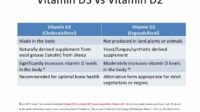
Over-the-counter vitamin D3 (cholecalciferol) is the supplement version most people encounter first—capsules, softgels, gummies in some markets, and drops in others. It’s often marketed as the more “natural” option for humans because D3 aligns closely with what your skin produces when exposed to sunlight.
D3 dosing on OTC labels can be straightforward. Yet simplicity can hide complexity. The challenge is that many OTC products provide daily doses that are helpful for maintenance, but may not be sufficient for correcting a significant deficiency. Others may be fine for most people, but not if you have absorption issues, certain medications, or a medical condition that affects vitamin D metabolism.
So the question isn’t just “D2 or D3?” It’s also “Does your dose match your physiology?” Your body’s needs may be less about preference and more about calibration.
D2 vs D3: The Difference You Can’t Ignore
Both D2 and D3 contribute to raising vitamin D levels, but they behave differently in the body. In general terms, D3 is often favored for maintaining and sustaining vitamin D status, while D2 is commonly used in prescription correction regimens. This doesn’t mean D2 is “bad.” It means the choice frequently depends on the dosing framework your clinician is using and how your body responds.
Another important consideration: conversion pathways. Vitamin D must be metabolized in stages to become functionally active. Your liver and kidneys play roles here, and various factors can influence efficiency. If your metabolism is altered—by chronic disease, certain medications, or organ function—what works “typically” may not work the same for you.
In other words: the alphabet soup of D2 and D3 isn’t just branding. It’s chemistry, timing, and biology in motion.
Lab Tests: The Compass Before You Choose
If vitamin D were a mystery novel, lab work would be the first chapter. A common marker is 25-hydroxyvitamin D—used to estimate your vitamin D stores. Without it, choosing between D2 prescription and OTC D3 becomes more guesswork than strategy.
A playful challenge for the reader: if you haven’t checked levels in a while, can you confidently say your current approach is “working,” or are you simply hoping it is? Feeling better sometimes happens, but vitamin D improvements usually show through measurable changes and time-dependent outcomes.
Many clinicians also review calcium and sometimes parathyroid hormone depending on context. The reason is simple: vitamin D is tightly linked to calcium handling. When vitamin D rises, calcium dynamics can shift, which is why monitoring matters—especially with higher-dose regimens.
Absorption, Body Weight, and Risk Factors: The Hidden Variables
One of the most common reasons vitamin D supplementation “doesn’t seem to work” is that the body isn’t absorbing or using it effectively. Malabsorption syndromes, gastrointestinal conditions, bariatric surgery history, and chronic inflammation can all influence results.
Body weight can also complicate matters. Vitamin D is fat-soluble, which means distribution throughout body fat can affect how much is available in circulation. If dosing isn’t adjusted, levels may remain suboptimal even when you’re taking a supplement consistently.
Then come medications: anticonvulsants, glucocorticoids, certain HIV therapies, and weight-loss drug regimens can all influence vitamin D metabolism. This is where OTC choices may need individualized guidance, because “standard dosing” may not match altered physiology.
The takeaway is straightforward: your risk factors are not footnotes. They’re plot drivers.
Safety Considerations: Avoiding the Overcorrection Trap
Vitamin D is helpful—until it isn’t. Too much vitamin D can lead to hypercalcemia, with symptoms that range from nausea and constipation to confusion and fatigue. Severe cases can be dangerous, particularly when high doses are taken too long without monitoring.
This is why prescription D2 often comes with a structured plan and why OTC D3 dosing shouldn’t be treated as infinite. Many people do fine with moderate daily dosing, but the risk rises when multiple products are stacked or when someone remains in “correction mode” longer than necessary.
Here’s the challenge in plain language: if you’re taking D2 from a prescription while also taking D3 OTC, do you know the total daily dose and the intended schedule? Double-dosing is easier than it sounds—especially when supplements are purchased across different times and providers.
How to Decide: A Practical, Person-Centered Approach
The best choice often depends on your situation:
Choose prescription D2 when deficiency is confirmed and a clinician recommends a correction regimen, particularly if levels are quite low or if there are absorption concerns requiring a defined schedule.
Choose OTC D3 when you need maintenance, prevention, or modest supplementation—especially when labs show insufficiency rather than severe deficiency and your medical profile suggests you absorb well.
Still, the most reliable decision follows a question: What is your target—correction or maintenance? If you can answer that, you’re halfway to the right dosing strategy. The other half is consistency.
Consistency, Timing, and Lifestyle Support
Even the right form won’t work instantly. Vitamin D stores are replenished over time. Taking your supplement consistently—at the same time of day—supports steadier outcomes.
Because vitamin D is fat-soluble, taking it with a meal that includes some dietary fat can improve absorption for many people. Lifestyle factors matter too: safe sun exposure (when appropriate), dietary sources like fortified foods, and overall metabolic health all contribute to the big picture.
One more playful thought: supplements are like rhythm in music—they help the song, but they don’t replace the entire performance.
The Bottom Line: Choose With Intention, Not Guesswork
Prescription vitamin D2 and OTC D3 can both play roles, but they’re often used at different stages of the journey. D2 prescription commonly supports correction plans under medical oversight. OTC D3 often supports maintenance and general supplementation. Neither is automatically “better” in a vacuum.
The decisive factors are your lab results, medical context, dose structure, and safety monitoring. If you’re uncertain, the smartest next step is to verify your current vitamin D status and align your supplement form and dosing with that target. After all, vitamin D isn’t just a pill choice—it’s a precision choice.