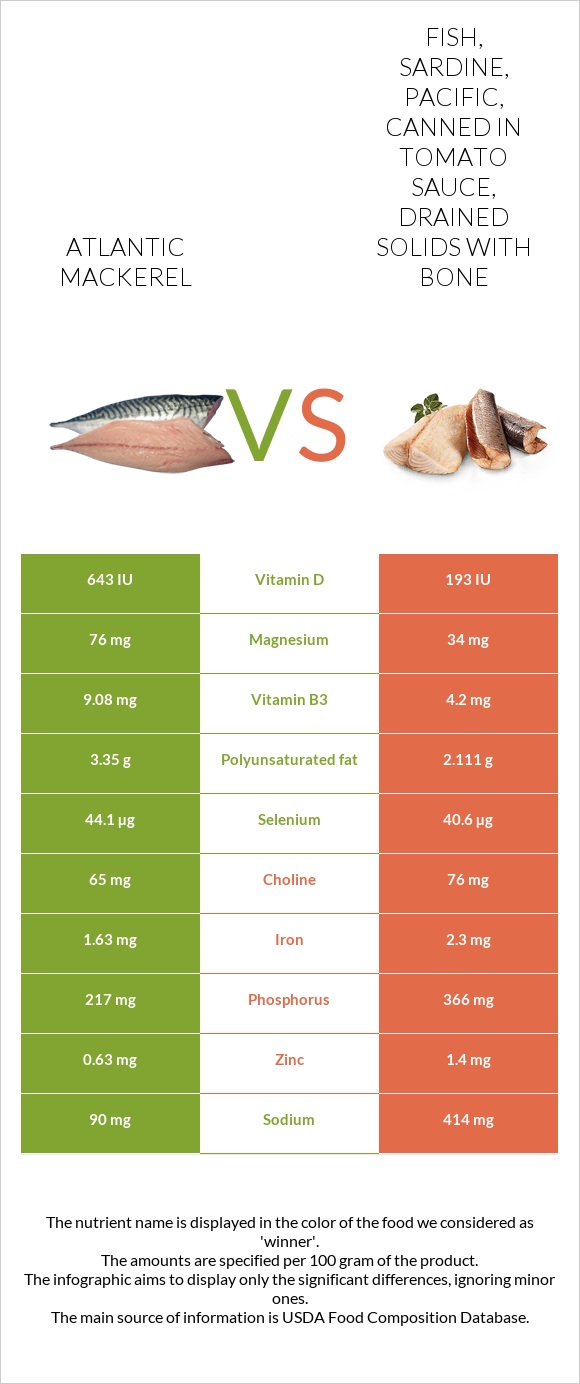
What if your lunch could moonlight as a tiny, salty vitamin D factory? Open a can, inhale the ocean air, and suddenly you’re thinking about calcitriol—yes, that hormone that helps regulate calcium and supports the machinery of bones. Today’s playful challenge is simple: can canned tuna, canned sardines, and canned mackerel each pull their weight in the vitamin D arena? Let’s compare them—thoughtfully, a bit mischievously, and with enough detail to make your next grocery aisle detour feel like strategy.
Why Vitamin D Shows Up in Fish (Even Without the Sun)
Vitamin D is famously associated with sunlight, but fish do something clever: their vitamin D content reflects what they—and their food chain—have encountered in the marine environment. In other words, the “sun story” is partly atmospheric, partly biological, and mostly mysterious. When humans eat fish, we inherit that nutrient payload.
Now imagine your body as a meticulous accountant. Vitamin D helps it balance calcium and phosphorus. Without adequate vitamin D, bones can become less robust and muscles may feel less coordinated. That’s not drama—it’s physiology. And because vitamin D can be inconsistent in everyday diets, fish often becomes a reliable, shelf-stable option.
The Big Picture: How to Compare Tuna, Sardines, and Mackerel
When comparing vitamin D across species, you’re not just juggling names—you’re juggling variables. Packaging style (oil-packed versus water-packed), serving size, and whether bones are included can all shift nutrient totals. Sardines often come with edible bones, which can amplify mineral and vitamin density. Tuna and mackerel may be processed differently, and the resulting nutrient concentration can vary by product and brand.
Even so, a general pattern usually emerges: small, oily fish tend to be the most vitamin D-abundant, while larger fish may differ depending on the canning and portion details. Sardines and mackerel often occupy the “nutrient-dense” corner of the pantry, while tuna can be an excellent contributor—especially when portion sizes and product labels are chosen deliberately.
Canned Sardines: The Compact Nutrient Dynamo
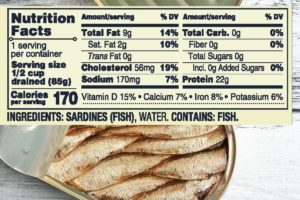
Consider sardines as the culinary equivalent of a Swiss Army knife. They’re small, oily, and frequently packaged with bones—meaning you’re not just getting fish meat, but also a concentrated matrix of minerals and fat-soluble vitamins. Vitamin D, being fat-soluble, often travels with the oils within these fish.
If vitamin D is your target, sardines can be particularly compelling because they’re often nutritionally “efficient.” One serving can feel like more than a snack; it can feel like a deliberate nutritional deposit. Sardines also tend to be budget-friendly, which matters when you’re trying to build an ongoing routine rather than a one-time experiment.
Canned Mackerel: Oily, Bold, and Surprisingly Helpful
Mackerel brings swagger. Its flavor can be strong—some people love it immediately, others need a gentle introduction. Nutritionally, that oily character matters. Fat-soluble vitamins—including vitamin D—often correlate with the richness of the fish’s fats.
Many canned mackerel products provide substantial vitamin D per serving. But here’s the nuance: vitamin D content can hinge on processing and canning specifics. Two cans with similar labels can still differ. That’s why the “comparison challenge” should include label reading, not just species guessing.
Try pairing mackerel with something bright—lemon, vinegar, or herbs. The taste becomes more agile, and your meal feels intentional rather than purely utilitarian. When food is enjoyable, consistency follows. And consistency is where vitamin D strategies become real.
Canned Tuna: A Great Option—With a Strategic Twist
Tuna is the familiar one. It appears in sandwiches, salads, and “quick meal” improvisations. But tuna’s vitamin D profile can be more variable. Some tuna is packed in water; some in oil. Some is chunk light; some is solid white; and serving sizes differ across products.
Here’s the strategic twist: if your goal is vitamin D, you may need to think like a curator, not just a consumer. Choose products with a higher vitamin D amount per serving when possible, and consider portion size. If you’re using tuna as an occasional protein source, you may still contribute to your vitamin D intake. But if you’re aiming for meaningful impact, tuna works best when incorporated thoughtfully and regularly.
One more detail: tuna is often enjoyed without bones, so you aren’t getting that same “edible bone bonus” that sardines can offer. That doesn’t make tuna inferior—it just changes the nutrient arithmetic.

Which One Wins? The Answer Depends on Your Definition of “Win”
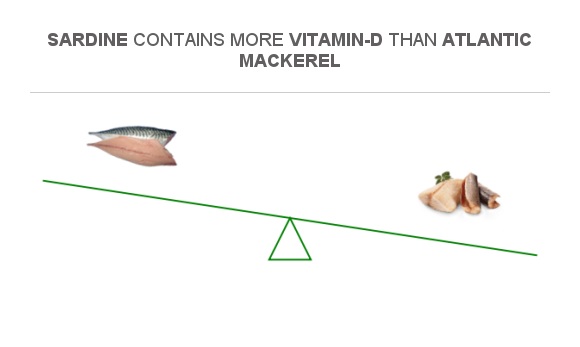
Let’s return to the playful question: which canned fish best fuels vitamin D? The “usual” expectation is that sardines and mackerel often provide higher or more reliable vitamin D per serving, largely because they’re nutrient-dense and oily. Tuna can still be valuable, but it may require closer attention to labels and serving size.
Still, winning isn’t only about the maximum number on a label. Winning can mean:
1) Consistency: Which one you actually eat regularly?
2) Convenience: Which one fits your routines without drama?
3) Nutrient density: Which one delivers more vitamin D per serving for the least friction?
Some people will “win” with sardines because they’re easy to pair with toast, pasta, or salads. Others will “win” with mackerel for its satisfying fats. Tuna may win for its mild flavor and versatility, especially if the product you choose is vitamin D-forward.
The Challenge: Build a 7-Day Vitamin D Micro-Plan
Here comes the challenge. Over the next week, pick one fish and eat it twice. Now add a twist: vary the species. Try sardines twice on different days, mackerel on another day, and tuna once. Keep it realistic—canned fish should not feel like a punishment.
Then check the labels. Write down the vitamin D amount per serving. You’ll likely notice something interesting: the nutrition isn’t just “species-based.” It’s also brand-based, packaging-based, and sometimes even draining/packing style-based. This is where your nutrition curiosity becomes an advantage.
If you do this and still feel uncertain, that’s normal. Nutrition is granular. But now you’ll be making decisions with evidence, not vibes. And that’s the best kind of empowerment.
How to Pair Fish for Better Absorption and Better Meals
Because vitamin D is fat-soluble, pairing fish with healthy fats and a satisfying meal can be beneficial. Think olive oil, avocado, tahini, or a creamy dressing (in moderation). Also consider meal timing. Some people find that taking fat-soluble vitamins with a meal improves comfort and routine.
Add texture: crunchy vegetables, capers, or pickled onions. Add brightness: citrus. Add warmth: whole grains or roasted potatoes. When vitamin D becomes a pleasant part of food culture, your body’s “schedule compliance” improves.
Final Takeaway: Choose Your Canned Fish Like a Nutrition Strategist
Whether you prefer tuna’s mild versatility, sardines’ compact intensity, or mackerel’s ocean-forward richness, canned fish can be a surprisingly effective vitamin D ally. The best choice is the one you’ll eat consistently—and the one whose label matches your vitamin D expectations.
So, are you ready to accept the challenge? Pick your favorite, read the label like a detective, and let the week test your assumptions. Your next lunch might be more powerful than it looks—small can, big impact.