Somewhere between detox teas, “metabolism hacks,” and the relentless scroll of fitness advice, one question keeps resurfacing in surprisingly quiet corners of wellness: Does vitamin D3 help with weight loss more than D2? It sounds almost too simple—like swapping one supplement label for another should rewrite the story of your body. Yet the intrigue remains, because vitamin D isn’t merely a bone-supporting nutrient. It’s a regulator—one that may influence hormonal signaling, inflammation, and even how your body handles energy. And once you start asking the question, you begin to notice how many “weight loss” narratives quietly depend on assumptions they never test.
The First Shift: Vitamin D as a Hormonal Interpreter, Not Just a Sunshine Substitute
Before comparing D3 and D2, it helps to step back. Vitamin D behaves more like a prohormone than a typical vitamin. Your body converts it into calcitriol-like compounds that communicate with receptors involved in cell growth, immune tone, and metabolic regulation. That means vitamin D status may act like a backstage manager—subtle, not flashy, but capable of changing the staging of many processes.
Here’s the perspective pivot: weight loss isn’t only about calories. It’s also about physiological friction—the hidden resistance created by inflammation, insulin dysregulation, and stress hormones. Vitamin D may influence several of those pathways indirectly. So the real question becomes less “Which is best for weight loss?” and more “Which form is more likely to optimize vitamin D status for the body’s metabolic environment?”
D2 vs D3: The Chemical Story Behind the Labels
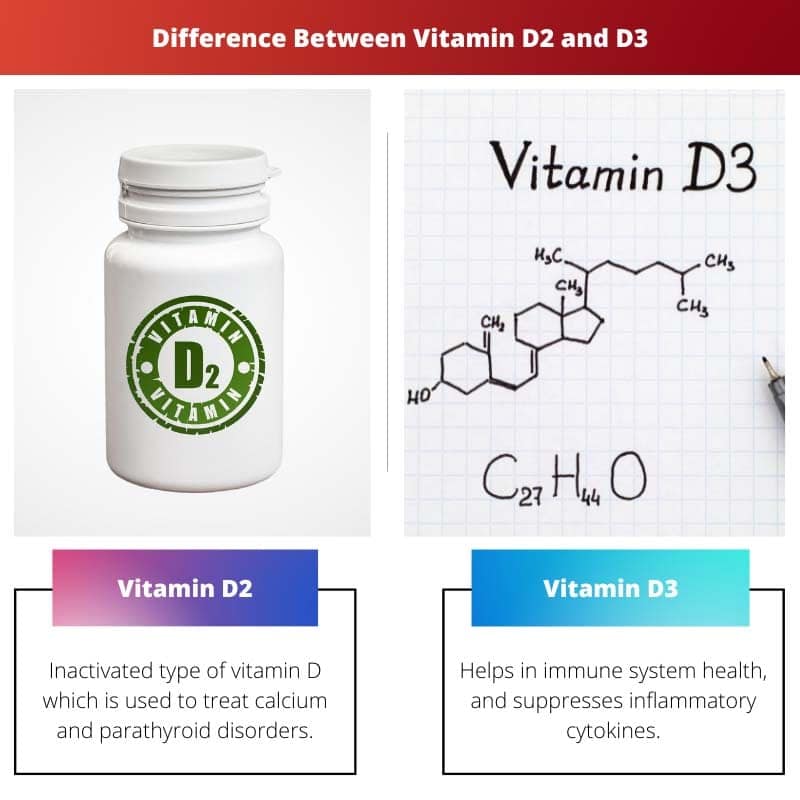
Vitamin D comes in two main dietary forms: vitamin D2 (ergocalciferol) and vitamin D3 (cholecalciferol). They look similar on a label, yet the body can treat them differently. D3 is typically associated with animal sources and sunlight exposure. D2 is often linked to plant and fungal sources, and it also appears in fortified foods and supplements.
Think of it like two keys that appear interchangeable. Both can unlock the “vitamin D” door, but one may fit the lock more precisely—depending on the environment, dosage, and baseline vitamin D levels. The difference matters because weight loss efforts often fail not due to lack of motivation, but due to a chain reaction of small biological constraints. If vitamin D levels are suboptimal, improving them may remove one constraint—without turning you into a calorie-burning machine overnight.
Absorption and Effectiveness: Why D3 Often Shows Stronger Influence
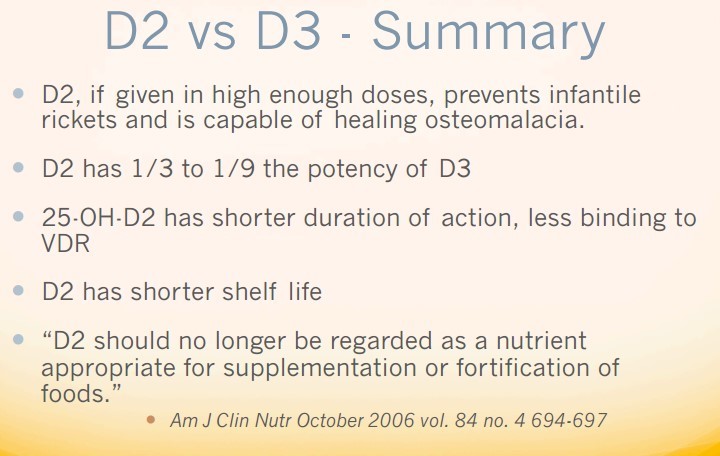
When people discuss D3 vs D2, the conversation usually returns to one theme: how effectively each form raises and maintains blood levels of 25(OH)D, the main marker used to gauge vitamin D status. Many individuals find that D3 is more reliable for improving these levels, especially over time.
If your 25(OH)D is low, correcting it could affect metabolic signaling. Some research-adjacent discussions suggest links between adequate vitamin D and better insulin sensitivity, lower inflammatory markers, and improved muscle function—each of which can shape how your body responds to diet and exercise. But “linked” is not “guaranteed.” Weight loss is a systems problem, and vitamin D is only one component of the dashboard.
Still, the curiosity is justified. If D3 tends to be more potent at raising vitamin D levels, then for many people, it may be the more practical choice when weight loss goals hinge on optimizing baseline physiology.
Metabolism Myths vs Metabolic Realities: What Vitamin D Can (and Cannot) Do
Let’s puncture a few myths. Vitamin D is not a thermogenic wand. It won’t override a sedentary schedule, erase dietary excess, or replace protein, fiber, or resistance training. If anyone promises otherwise, treat that promise like a too-smooth sales pitch—plausible-sounding, but biologically incomplete.
What vitamin D might do is refine the conditions under which your metabolism operates. Improved vitamin D status can be associated with better muscle performance and reduced inflammation, which may support training quality. Better training quality can indirectly support fat loss. That’s not magic; it’s momentum.
So the shift in perspective is this: if vitamin D helps you feel stronger, more consistent, and less inflamed, you may build a healthier “metabolic rhythm.” And consistency is the quiet architect of results.
Inflammation, Insulin Sensitivity, and Body Composition: The Indirect Pathways
Some of the most intriguing connections between vitamin D and body composition are indirect. Vitamin D influences immune regulation and may help modulate inflammation. Chronic low-grade inflammation is not just a buzzword; it can interfere with insulin signaling and make weight loss feel disproportionately hard.
Meanwhile, insulin sensitivity affects how your body partitions nutrients—how efficiently it uses glucose, how strongly it suppresses hunger, and how stable your energy levels feel. If vitamin D supports insulin sensitivity, then it could create a more favorable internal environment for fat loss, especially when paired with a thoughtful diet.
In this context, choosing D3 over D2 may matter mainly because D3 may be better at correcting deficiency. And deficiency correction is often the “unsexy” step that leads to surprisingly noticeable downstream improvements.
Dosage and Timing: The Strategy Behind the Supplement
Not all vitamin D supplementation experiences are created equal. Your baseline level, body composition, sun exposure, and dietary intake all affect how you respond. D3 is frequently dosed in a way that reliably increases vitamin D stores, but the “right” dose depends on personal labs and clinician guidance.
Timing can also influence practicality. Some people absorb vitamin D better when taken with a meal containing fat. Consistency matters. Vitamin D behaves like a slow-moving ally, not a fast-acting stimulant. A single dose might nudge you; sustained supplementation may rebuild your stores.
Weight loss is not a short race. It’s an iterative process. Think of vitamin D as a long-term maintenance layer—more like replacing engine oil than buying a new sports car.
Vegetarian and Vegan Considerations: When D2 Enters the Conversation
Here’s where curiosity becomes real-world. Many people prefer plant-based options, whether for ethics, personal comfort, or dietary alignment. In that case, D2 may be more accessible, especially because it’s commonly derived from fungi and is used in vegan-friendly supplements.
But the question becomes: if D2 is less efficient for raising vitamin D levels in some people, does that mean it’s ineffective for weight loss goals? Not necessarily. It may still help, especially if supplementation is adjusted to achieve adequate 25(OH)D levels. The key is not to treat D2 as a “second-best.” Instead, treat it as a different tool that may require different calibration.
In other words, D2 can still support the vitamin D status that indirectly supports metabolic functioning. The outcomes may vary, and planning matters.
How to Decide: A Curiosity-Driven Checklist
If you’re weighing D2 vs D3 for weight loss, approach it like a calm investigator, not a desperate gambler. Start with your vitamin D status. If you haven’t checked labs, consider doing so, because “low vitamin D” is not always obvious from symptoms alone. Symptoms can overlap with many other conditions, making guesswork risky.
Next, reflect on your lifestyle. Are you frequently indoors? Do you have limited sun exposure? Are you using sunscreen most days? These factors can shift your baseline and your need for supplementation.
Then, match form to context. If you want a form that often raises vitamin D levels efficiently, D3 may be appealing. If you prefer vegan options, D2 can be valid—especially when paired with an intentional plan to reach adequate blood levels.
Safety Notes: The Fine Print That Prevents Backfiring
Vitamin D is fat-soluble, so excess can accumulate. That’s why moderation, lab awareness, and professional guidance are essential—particularly if you’re considering higher doses. If someone frames vitamin D as unlimited, they’re selling certainty where biology offers nuance.
Weight loss should never be pursued through reckless supplementation. The goal is not to force rapid changes. It’s to build stable physiological support for sustainable habits.
The Bottom Line: Any Difference for Weight Loss?
So, is there a difference between vitamin D3 and D2 for weight loss? The honest answer is: the difference is mostly indirect. Vitamin D doesn’t directly melt fat. But by improving vitamin D status—often where D3 shows an edge for many people—your body may experience improved metabolic conditions such as inflammation balance, insulin signaling support, and muscle function readiness. Those factors can make diet and training feel more effective, which can change results over time.
And perhaps that’s the most compelling perspective shift of all: instead of searching for a single “fat loss vitamin,” aim for biochemical alignment. When vitamin D status improves, the rest of your plan may finally click into place—quietly, steadily, and with fewer roadblocks than you expected.