There’s a familiar moment many Americans recognize: a pill bottle on the counter, a headline about “better absorption,” and a creeping question—Should I pick D2 or D3? Most people start with the obvious comparison, but the real story is more atmospheric. It’s less about choosing a label and more about how the body interprets each form of vitamin D once it enters the bloodstream. When the evidence is laid side by side, a pattern emerges: for most Americans, D3 is the more reliable choice—especially when you consider how vitamin D is used, stored, and eventually translated into health benefits.
The Common Observation: “D2 Works Too, Right?”
Yes—vitamin D2 can raise blood levels. That part isn’t imaginary. Many people have taken D2 successfully, and it can seem tidy to conclude that “either is fine.” Yet this is where the conversation often turns into a half-truth. The body doesn’t just treat both forms as equals; it processes them with subtle differences that become important over time.
Think of vitamin D as a key that must fit a lock with precision. D2 may open the door, but D3 tends to turn the mechanism more consistently. This is where research discussions often drift past the nuance: not only whether levels increase, but how effectively levels are maintained, and how the body’s longer-term vitamin D economy responds to continued supplementation.
In everyday life, that means one form may feel “good enough” for a short period, while the other better supports steadier status—particularly for people who take vitamin D seasonally or inconsistently.

Biology Under the Hood: How D3 Performs in Circulation
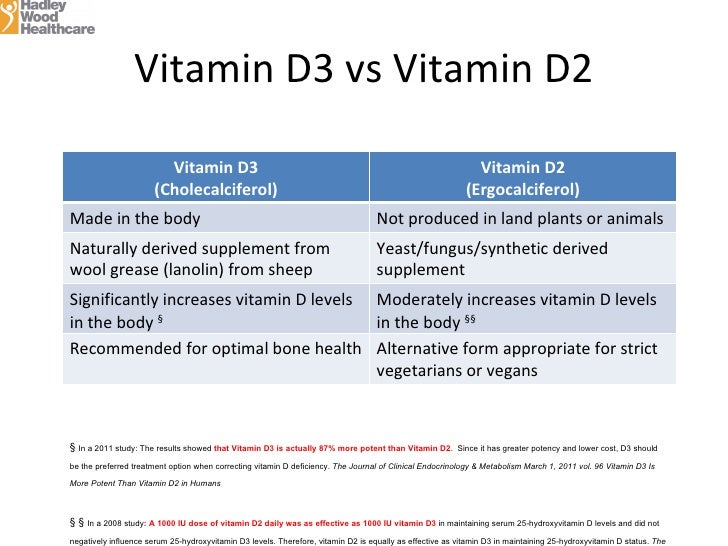
Vitamin D3 (cholecalciferol) is the form the human body naturally produces in the skin when exposed to sunlight. That evolutionary fact matters, not as trivia, but as a clue. D3 is already “native” to human physiology. D2, in contrast, is typically derived from plant or fungal sources.
Once ingested, both forms can be converted to active forms, but the kinetics—how quickly and how persistently each form supports the vitamin D pathway—are where differences show up. D3 is often associated with more robust increases in 25-hydroxyvitamin D, the marker most clinicians use to estimate vitamin D status.
In plainer terms: many people can take D2 and see improvements, but D3 more frequently produces a steadier, stronger response. It’s not just a matter of “activation”; it’s also about resilience—how the body holds onto the benefit as weeks turn into months.
Higher Bioavailability and More Durable Vitamin D Status
For most Americans, the practical question isn’t whether vitamin D levels will move; it’s whether they’ll stay in a healthier range. People who live in northern latitudes, spend significant time indoors, or cover most of their skin for cultural, occupational, or medical reasons often have a baseline deficit in sunlight-derived vitamin D.
In that setting, supplementation is frequently ongoing, and the goal becomes maintenance. Research patterns often point toward D3 being better at supporting longer-term blood concentrations. This durability can reduce the “roller coaster” effect—where levels rise for a short stretch, then quietly drift down.
That’s a deeper reason D3 feels more “effective” to many individuals: not because it creates magic, but because it behaves more like a long-burning flame than a quick spark.
Seasonal Living: Why Winter Matters More Than People Admit
Americans don’t just have a vitamin D issue; they have a seasonal vitamin D rhythm. Winter daylight is shorter, and behavioral patterns shift—less outdoor activity, more enclosed spaces, and sometimes fewer opportunities for incidental sun exposure.
When the calendar turns, individuals who rely on less durable supplementation may notice fatigue, low mood, or musculoskeletal aches more acutely. While vitamin D isn’t a single-cause explanation for every symptom, consistently low status can contribute to the biological “background noise” that makes the season feel harsher.
D3’s tendency toward better maintenance becomes especially relevant here. If your levels fall during winter and don’t rebound as efficiently, your body has less time to restore optimal function before the next decline.

Muscle, Mood, and the “Downstream” Effects
Vitamin D is often discussed in the context of bone health, but its influence is broader. Active vitamin D participates in multiple systems, including muscle function and immune regulation. When vitamin D status is improved, some people experience changes that feel subtle at first—improved strength, more reliable energy, or better tolerance for physical activity.
Mood is more complex, but vitamin D insufficiency is frequently observed in winter months. That correlation doesn’t mean vitamin D is a universal antidepressant. Still, it’s one piece of a larger mosaic that can influence how someone feels physically, hormonally, and socially.
Choosing D3 over D2, in many cases, aligns with the goal of optimizing the “downstream” environment—supporting the pathways that rely on adequate vitamin D. If D3 maintains levels more effectively, it may indirectly support these broader physiological domains more consistently.
Immune Function: The Fascination With “Defenses”
It’s no surprise that vitamin D draws attention during cold and flu season. People want a lever—something tangible that might strengthen defenses. Vitamin D plays roles in immune signaling and the regulation of inflammatory responses, and the body uses these systems continuously, not only during outbreaks.
Here’s where the deeper fascination appears: individuals often hope that a supplement can substitute for sunlight. But immunity is not a switch; it’s a choreography. If the choreography depends on adequate vitamin D signaling, then steady vitamin D status becomes more important than intermittent “hits.” D3’s stronger tendency to support sustained levels can make it an attractive option for those who want their immune system to have the biological ingredients it expects.
In practice, that doesn’t mean D3 prevents illness like a shield. It means D3 more consistently supports the underlying processes that help the immune system function properly.
Safety and Practicality: Consistency Beats Confusion
Both D2 and D3 can be safe when used appropriately. The risk usually isn’t the form alone—it’s dosing without guidance. Vitamin D is fat-soluble, meaning it can accumulate. That accumulation is why testing and sensible dosing matter, especially for people with darker skin tones, obesity, malabsorption conditions, or those taking high-dose regimens.
Still, D3’s track record in raising and maintaining 25-hydroxyvitamin D more effectively makes it a practical choice for many adults who want predictable outcomes. It can reduce the cognitive load of “Did I pick the weaker option?”—a small stressor, but stress itself can affect health behavior and compliance.
Sometimes the simplest decision is the one that removes uncertainty. D3 often offers that advantage.
How to Choose Wisely: Testing, Dose, and Lifestyle Synergy
The best approach blends supplementation with measurement. A clinician may recommend checking 25-hydroxyvitamin D, especially if symptoms persist or if risk factors for deficiency apply. From there, a dosing plan can be tailored.
But supplementation isn’t the only lever. Diet, outdoor activity, and sleep patterns interact with vitamin D status. Fat intake can influence absorption, and regular movement outdoors—however modest—can help. Yet even with a thoughtful lifestyle, many Americans still benefit from a dependable supplement because sunlight exposure is inconsistent.
D3 tends to be the choice that harmonizes with real-world variability: imperfect weather, modern indoor schedules, and the natural human tendency to forget supplements until a new season arrives.
A Final Perspective: The “Native Advantage” and the Quiet Logic of Results
The choice between D2 and D3 can feel like a debate about chemistry, but it’s ultimately about consistency in human biology. D3 is the form closely aligned with what the body already knows how to generate. Research trends frequently reflect that alignment through better maintenance of vitamin D status.
Most Americans don’t need vitamin D as a novelty. They need it as a foundation—something steady that supports bones, muscles, immune function, and the broader systems that depend on adequate signaling. D3, for many people, delivers that foundation more reliably. It’s not a dramatic transformation overnight. It’s quieter than that. It’s the difference between occasional light and an uninterrupted glow.