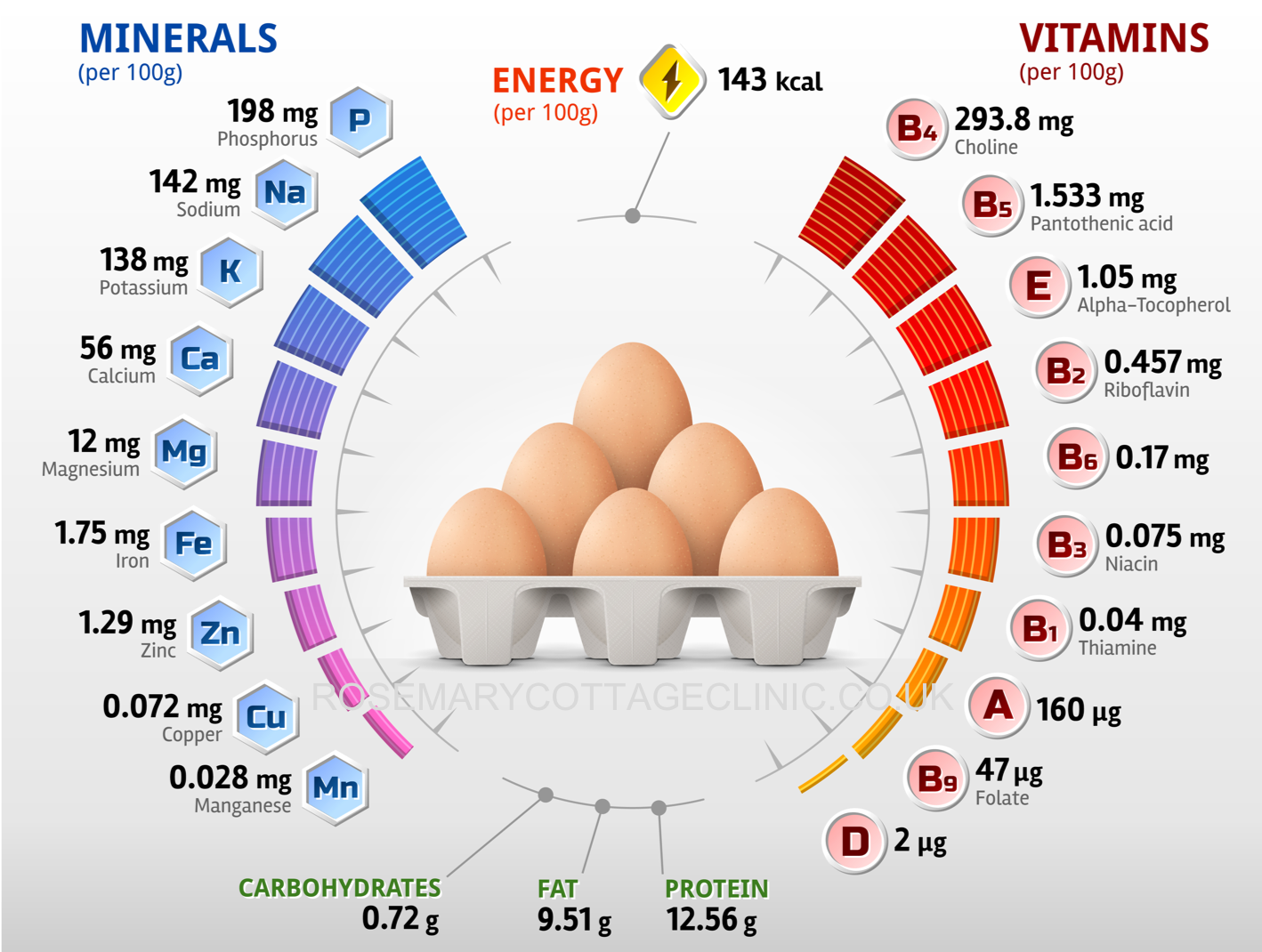
Frying an egg is one of those everyday rituals that feels almost alchemical: a cool, pale orb turns warm and fragrant, its edges crisping while the yolk keeps a softer gravity. Yet beneath the sizzle lurks a quieter question—how much of the vitamin D journey gets rerouted or lost when heat enters the scene? Vitamin D isn’t merely a nutrient; it’s more like a stealth navigator in your body, helping steer calcium handling and immune signaling. When eggs meet the pan, that navigation may change. Let’s examine what heat does to vitamin D in a way that’s both practical and strangely poetic.
Why Vitamin D in Eggs Matters More Than You Think
Vitamin D is often associated with sunlight, but foods can act as a secondary “bank” for your vitamin D needs. Eggs, in particular, contribute meaningful amounts—especially because vitamin D isn’t isolated in some abstract laboratory sense; it exists in a form your body can interpret. Think of vitamin D as a key that helps open doors for calcium absorption. Without enough keys, calcium can arrive at the gate but fail to pass smoothly.
Still, vitamin D doesn’t behave like a crisp fragile biscuit. It’s relatively stable compared with many heat-sensitive vitamins. That stability is your first clue: cooking doesn’t automatically erase it. But “stable” doesn’t mean “unchanged.” The story is more nuanced—less like a disappearing act and more like a gradual remix of proportions.
Heat and Nutrient Degradation: The Pan’s Unseen Influence
When you fry eggs, you subject them to high temperatures, rapid surface heating, and sometimes repeated exposure if you cook them longer. Nutrients respond to heat using different rules: some unravel quickly, some cling stubbornly, and some change slowly. Vitamin D tends to be more resilient, yet the cooking process can still influence how much remains available in the final food.
Two factors deserve attention: temperature intensity and duration. A brief, gentle cook is different from a prolonged browning session. Additionally, the method—pan-frying versus boiling—creates different heat transfer patterns and different exposure to hot oils.
Imagine vitamin D molecules as tiny travelers packed in sealed compartments. Heat can loosen seals and encourage subtle losses. It usually won’t empty the entire suitcase, but it may shuffle what’s inside.
So, How Much Vitamin D Is Lost When Frying Eggs?
Precise loss varies with cooking time, egg type, and frying conditions, so there’s no single universal percentage that applies to every pan, every stove, and every cook. However, the overall pattern is reassuring: frying typically causes only modest reductions of vitamin D rather than dramatic, wipeout-level losses.
In most real-world kitchens, the most significant changes come from overcooking—especially when eggs are cooked until the yolk is fully set and the edges turn deeply browned. Browning is a marker of intensified heat exposure, and intensified exposure can correlate with greater nutrient diminishment across many micronutrients, including vitamin D to a smaller degree.
For most people, the more actionable takeaway isn’t “avoid frying at all costs,” but “fry thoughtfully.” Shorter cooking times and moderate heat keep the nutrient landscape more intact.
Soft Yolk vs. Crispy Edges: Time and Temperature as the Real Culprits
The difference between an eggs-over-easy result and a hard-fried crisp-edged outcome is not just texture—it’s nutrient exposure time. Even if vitamin D is relatively stable, every extra minute is another opportunity for heat to nudge compounds toward change.
Soft yolks generally require less cooking. Crisp edges often require higher heat and longer duration. That’s why you may notice nutritional performance tracking more closely with cooking habits than with the mere fact of frying.
If you want to treat vitamin D like something you’d rather not shake loose, aim for control: lower the flame slightly, watch the edges, and remove the egg when it reaches your preferred doneness.
Oil, Pan Material, and Sizzle: Do They Matter?
Frying uses fat as a conductor of heat. While vitamin D is present in eggs and not typically “washed out” like water-soluble vitamins, the presence of oil can still affect the overall cooking environment. The oil’s temperature influences how aggressively the egg surface cooks. A pan that runs too hot can drive faster degradation and more intense browning.
Pan material can also play a role. Uneven heat distribution can create hot spots, causing parts of the egg to cook faster than others. Nutrient retention may therefore vary within the same egg—more so at the most browned regions.
Here’s a metaphor for your skillet: the pan is a stage, and heat is the spotlight. Where the spotlight lingers, the performance changes.
Does Reheating Fried Eggs Reduce Vitamin D Further?
Many meals aren’t finished after the first cooking. Fried eggs get reheated in leftovers, warmed in meal prep, or revived in a second pass on the skillet. Reheating extends total thermal exposure, which can nudge vitamin D down further, even if the first cooking already kept losses modest.
One-and-done cooking is the friendliest scenario for nutrient preservation. If you reheat, do it gently and briefly—especially avoiding aggressive frying again. Steam, low-temperature warming, or short microwave reheating may be kinder than a second high-heat pan session.
How Frying Compares With Other Cooking Methods
Cooking method influences nutrient outcomes in different ways. Boiling can sometimes minimize browning but may create leaching for water-soluble nutrients. Steaming often preserves nutrients by limiting contact with water. Baking and roasting can involve longer exposure to heat.
Frying adds direct contact with hot fat and often creates browning. Yet because vitamin D is relatively heat-stable, frying’s downsides are usually not as catastrophic as they can be for more fragile vitamins.
In other words, frying isn’t a villain—it’s just a heat-intensive environment. When managed well, it remains a practical and flavorful option.
The Unique Appeal of Fried Eggs: Flavor Is a Nutrient Vehicle
Nutrition isn’t only about retention; it’s also about adherence. Fried eggs are beloved for their sensory charisma: crisp edges, buttery yolk viscosity, and that signature aroma that pulls you toward the plate. This matters because the “best” nutrient strategy is the one you actually repeat consistently.
Think of vitamin D as a passenger who appreciates smooth travel. Cooking may not remove the passenger entirely, but it can change the journey’s comfort. Flavor, meanwhile, ensures the journey happens at all—because a food you enjoy is more likely to become a routine.
Practical Tips to Preserve Vitamin D While Frying
If you want to maximize vitamin D retention without sacrificing the delicious drama of frying, try a few disciplined habits. Use medium-low heat instead of blasting high. Cook until just done, then remove promptly. Choose moderate cooking times and avoid prolonged browning.
Also consider cover techniques. A lid can help set the yolk with less direct scorching, creating a steadier heat environment. Even a small adjustment in flame level can have an outsized effect on how aggressively the egg cooks.
Finally, consider how often eggs are fried versus cooked in other ways. Variety keeps your micronutrient portfolio diverse, and it also protects you from the monotony that leads to less consistent intake.
Bottom Line: Frying Isn’t the Vitamin D Disaster People Fear
When eggs hit the pan, vitamin D doesn’t typically vanish in a dramatic cascade. Losses, when they occur, are generally modest—most often influenced by time, heat intensity, and degree of browning. The best strategy is not avoidance; it’s craftsmanship.
Cook with intention. Keep the sizzle controlled. Let the yolk remain your cue to stop. In that small act of timing, you preserve more than nutrient potential—you preserve the pleasure that makes eggs a reliable, repeatable part of your diet.