Sunlight is often described as life’s gentle benefactor, warming skin and lifting mood like a soft golden curtain. Yet for dermatologists, that curtain can also conceal a sharper truth: ultraviolet (UV) radiation is not merely a mood-altering guest—it is an atmospheric architect that can rewrite cellular blueprints. When that rewriting becomes frequent enough, the risk of skin cancer climbs. That is why many clinicians increasingly recommend a strategy that leans on supplements rather than chasing prolonged sun exposure—especially when the goal is to support skin health and overall wellness.
The Sun as a Double-Edged Cathedral
Imagine the skin as a cathedral of delicate stained glass. Daylight is beautiful, but the same photons that make colors sing can also erode the glass. UV radiation acts like a weathering agent—quiet at first, then cumulative. It can damage DNA within skin cells, create inflammatory chaos, and accelerate photoaging. Dermatologists therefore treat sun exposure not as a wellness shortcut, but as a controllable risk.
Supplements, in contrast, are like protective scaffolding: they don’t eliminate environmental risk instantly, but they support the body’s resilience. The appeal is not drama. It is precision. Rather than inviting UV to do its long-term remodeling, clinicians often encourage evidence-informed nutrients that help fortify skin defenses from within.
In this framework, the “sun” becomes not the centerpiece, but the occasional visitor—acknowledged, respected, and rarely relied upon as a primary tool.

Sunscreen Isn’t a Replacement for Cellular Defense
It is a common misconception that sunscreen alone is a complete answer. Sunscreen is essential—think of it as the cathedral doors: it blocks direct harmful entry. But no barrier is perfect in real life. Application lapses happen. Coverage can miss tricky zones like ears, scalp hairlines, and the tops of hands. Some people reapply too late or too sparingly. UV exposure can also occur during incidental daylight—commutes, errands, window-adjacent time.
Here’s where the supplement conversation becomes compelling. Dermatologists often describe a layered approach: external protection (like sunscreen and clothing) plus internal support (nutrients that support skin integrity and antioxidant capacity). Supplements don’t replace sunscreen; they complement it. They add redundancy—an underrated concept in preventive medicine.
Redundancy is not excess. It is insurance for the body’s complicated biochemistry.
Why Dermatologists Favor Nutrients Over Prolonged Sun Exposure
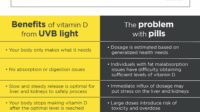
For many people, sun exposure is pursued for the “glow” or for vitamin-related goals. Yet the mechanism matters. UV can stimulate vitamin D synthesis, but that benefit arrives bundled with DNA stress. Dermatologists generally prefer avoiding that gamble when safer routes exist. Supplements can provide vitamin D without requiring skin to absorb potentially carcinogenic UV doses.
Consider the body’s repair system as a night-shift workforce. After UV exposure, DNA repair pathways clock in, inflammation surges, and oxidative stress rises. Supplements—particularly antioxidants and targeted micronutrients—can help reduce the burden on those repair teams. The goal is not to eliminate the body’s need for repair; it is to reduce the frequency and intensity of the damage.
In other words: skip the recurring exposure that forces the skin to play catch-up.
Vitamin D: The Evidence-Based Shortcut (Without the Burns)
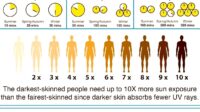
Vitamin D is often described as a distant lighthouse—important, but not always reliably reachable through sun for everyone. Factors like skin pigmentation, latitude, seasonality, cloud cover, and daily routines can affect how much vitamin D your body makes from sunlight. That variability can lead people to chase longer exposure than necessary, increasing risk.
When clinicians recommend supplementation, it typically follows a logic of balance: supplementing can support normal vitamin D levels while avoiding excessive UV exposure. This approach respects the difference between “moderate benefit” and “measured risk.” It is a more controlled strategy—less influenced by lifestyle chance.
But vitamin D is only one piece of the larger skin-health mosaic. Dermatologists also consider nutrients that influence oxidative balance, immune function, and skin barrier performance.
Antioxidants as Quiet Bodyguards
UV radiation generates reactive oxygen species (ROS), like sparks in dry grass. The body can extinguish many of those sparks, but chronic exposure overwhelms the firefighting system. This is where antioxidants become intriguing. Think of them as quiet bodyguards stationed at cell boundaries. They help neutralize oxidative stress before it cascades into inflammation and cellular dysfunction.
Dermatologists may discuss antioxidants in general terms—often through dietary patterns and, when appropriate, targeted supplementation. The exact choices vary by individual risk, but the overarching rationale remains consistent: support the skin’s defense architecture so it spends less time in emergency response mode.
A steady internal antioxidant environment may also complement topical protection, making prevention feel less like a single act and more like a sustained rhythm.
Omega-3 and the Inflammation Compass
Inflammation is not inherently bad; it is a signaling language. But persistent, low-grade inflammation can behave like a smoldering ember, gradually influencing the skin microenvironment. Omega-3 fatty acids are frequently discussed because they can influence inflammatory pathways. In dermatologist conversations, omega-3s often appear as part of a “calm the inflammatory tide” strategy.
When skin inflammation is better regulated, the overall context for healing and resilience improves. It’s not a direct shield against UV-induced mutations. Instead, it aims to reduce downstream chaos—helping the skin cope more gracefully with unavoidable environmental stressors.
Think of omega-3s as a traffic controller: they don’t remove intersections, but they reduce catastrophic collisions.
Collagen, Barrier Health, and the Repair Budget
Skin isn’t just surface texture—it is a living system with a repair budget. UV exposure can accelerate the breakdown of structural proteins and affect the barrier, leading to dryness, sensitivity, and a less robust defense against future insults. Supplements associated with collagen support (through amino-acid precursors or co-factors) are often discussed because barrier integrity and structural maintenance matter for long-term skin quality.
Dermatologists frequently emphasize that good barrier health correlates with improved comfort and resilience. While barrier improvements are not a substitute for cancer prevention, they are part of why the supplement approach feels holistic. The skin becomes less fragile—better able to withstand daily wear.
This is the preventive mindset: strengthen the system so it fails less often.
Who Should Consider Supplements More Strongly?
Dermatologists usually tailor advice. Some people have higher sun exposure due to work patterns. Some have darker melanin distribution that changes vitamin D synthesis. Others have dietary limitations that reduce nutrient intake. There are also cases where lab work reveals deficiencies that should be corrected without resorting to increased sun exposure.
Special circumstances—like skin that reacts easily, a history of precancerous lesions, or strong family risk—often lead to more careful, proactive planning. In these scenarios, supplements may be emphasized as an internal support layer alongside stringent sun protection practices.
In prevention, personalization is not a luxury. It is a compass.
Choosing Supplements with Safety and Seriousness
The supplement aisle can feel like a maze made of promises. Dermatologists tend to recommend a method: verify doses, prioritize reputable quality testing, and avoid excessive megadoses that may carry risks. The aim is targeted support, not chemical fireworks.
It is also wise to consider interactions with medications and underlying conditions. A supplement that is helpful for one person can be redundant or unsuitable for another. That is why professional guidance is valuable—particularly for vitamin D dosing or antioxidant regimens.
Think of supplements as instruments in an orchestra. When tuned correctly, they enhance the symphony. When overplayed or poorly selected, they create dissonance.
A Layered Lifestyle: Sun Avoidance, Smart Protection, Nutrient Support
The most persuasive dermatology narrative is layered. Avoid unnecessary sun when possible, use protective clothing, apply broad-spectrum sunscreen properly, seek shade, and keep hydration and nutrition consistent. Supplements then become the internal reinforcement—supporting antioxidant capacity, vitamin D status, and skin comfort.
Prevention isn’t a single decision. It is a pattern of choices repeated until they become instinct.
When the goal is to reduce skin cancer risk, dermatologists often steer people away from “earning wellness” through UV exposure. Instead, they encourage strategies that protect the skin’s DNA, respect the body’s repair budget, and build resilience from the inside out.
Closing Thought: Protection Without Punishment
Sunlight can be inviting, almost theatrical. But the skin’s long-term story is written in accumulated exposure—not just in the moments we remember. Supplements offer a different kind of relief: prevention that does not require sacrificing safety for a brief glow. In that sense, the supplement-first approach isn’t about avoiding life. It’s about honoring skin as an organ with memory.