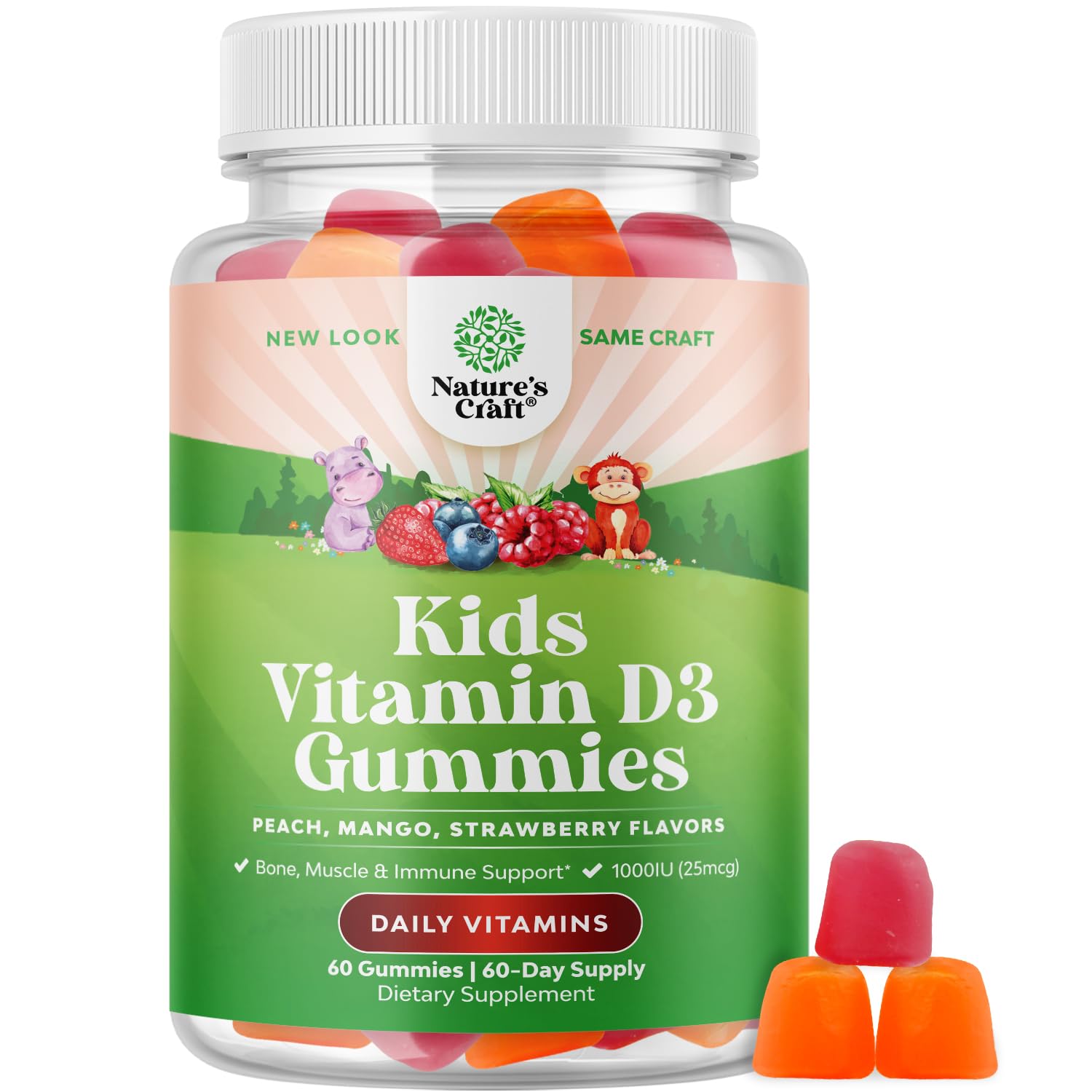
Imagine sunlight as a quiet architect—quiet, patient, and often absent. In many households, winter months, indoor routines, and busy schedules quietly erode a child’s vitamin D intake. Then a simple supplement can become more than a product on a shelf; it can feel like a small ritual that nudges the body toward balance. But which option truly fits a child’s needs—liquid, chewable, gummy, or something else? The answer is less about “more is better” and more about the right form, the right dose, and the right promise: consistent support for bones, immunity, and overall growth.
Reframing Vitamin D: From “Extra” to Essential
Vitamin D has a reputation that swings between casual and crucial. In practice, it behaves like a background conductor. It helps the body absorb calcium and supports healthy bone development—especially during the energetic, rapidly changing years of childhood. Without it, the body’s building blocks don’t always assemble smoothly.
Now consider a shift in perspective: rather than viewing vitamin D as an “add-on,” think of it as a facilitator. It enables pathways that help maintain skeletal strength and may also influence immune function. When children are picky eaters, spend less time outdoors, or live in regions with limited sunlight, vitamin D supplementation can become a thoughtful countermeasure—not dramatic, just deliberate.
Why Choose Liquid Chewable Gummy Formats?
Children do not negotiate with vitamins the way adults do. They taste, they resist, and they remember. That’s why liquid chewable gummy formats often win the daily battle. They combine palatability with practicality.
Chewable gummies can simplify compliance—turning “medicine time” into something closer to a snack. Liquid formats can provide additional flexibility for dosing and routines, particularly for families that prefer texture variety or need to adjust intake more precisely.
There’s also a sensory psychology at play. When the supplement is enjoyable, parents spend less time bargaining, and children build a calmer habit. Consistency—boring but powerful—often becomes the real differentiator.
Reading the Label Like a Caregiver, Not a Shopper
A bottle may look similar to another from across the room. The crucial differences hide in the fine print. Start with the vitamin D form and the amount per serving. Many products use vitamin D3 (cholecalciferol), which is widely used because it supports the body’s natural pathways.
Next, examine the dosing logic. Children’s needs vary by age, dietary habits, sun exposure, and—sometimes—health guidance from a pediatric professional. The best supplement aligns with an appropriate daily target rather than overshooting.
Then scan the ingredient deck. Look for gluten-free labeling if relevant, and consider flavoring, sweeteners, and any additives that may irritate sensitive tummies. A thoughtful product doesn’t just “deliver vitamin D”; it respects the child’s digestive temperament.
Dosing Decisions: Matching Age, Needs, and Real Life
Not all childhood is the same. A toddler’s routine differs from a teenager’s. Older children may play outdoors more, while younger ones may be indoors more often. Seasonal variation matters too—sunlight levels can change quickly, and the body doesn’t always compensate through diet alone.
For dosing, families often aim for a consistent daily amount rather than sporadic megadoses. The goal is steady support—like maintaining water flow rather than draining a reservoir. Always consider pediatric guidance when selecting a dose, especially if a child has known deficiencies or medical conditions.
If your child is already taking another multivitamin or fortified product, the totals can overlap. Additive stacking is a subtle risk. The most effective vitamin D supplement is the one that integrates cleanly into the child’s full regimen.
Promises You Should Expect: What “Good” Actually Means
Healthy supplementation carries specific, realistic promises. First, vitamin D should support calcium absorption, which underpins bone mineralization and helps bones grow with confidence. Second, it should contribute to overall nutritional adequacy—especially when sunlight and diet are inconsistent.
Parents often notice improvements indirectly: fewer concerns about adequacy, a steadier daily routine, and more peace of mind. Some families also report that supplementation helps children maintain their energy patterns during darker months, though energy is multifactorial and not guaranteed.
Curiosity is useful here. Ask: Does this supplement fit the child’s taste? Does it deliver an appropriate vitamin D amount? Does it come in a format the child will actually take? The best promise is not marketing. It’s follow-through.
Safety Signals: Where Caution Belongs
Even with a vitamin as familiar as D, safety matters. Vitamin D is fat-soluble, meaning excess can build up. That’s why “more” doesn’t automatically mean “better.” Keep a careful eye on serving size, frequency, and any combination supplements.
Check for allergen considerations, especially if a child has dietary sensitivities. Gummies can include flavorings and binders. While most children tolerate them well, a careful read reduces surprises.
Also consider adherence safety: chewables are not candy in practice, even if they resemble candy in appearance. Store them securely, out of reach, and follow the dosing schedule consistently.
Finding the Right Supplement: A Practical Comparison Mindset
When choosing among liquid, chewable, and gummy vitamin D products, focus on three axes: dose clarity, ingredient simplicity, and daily usability.
Dose clarity means the label makes it easy to understand how much vitamin D is delivered per serving. Ingredient simplicity means fewer unnecessary components—especially if the child has a sensitive palate or digestive quirks. Daily usability means the product works for your household’s rhythm: mornings, after school, or bedtime routines.
Consider also the child’s temperament. Some children prefer a tangy flavor. Others reject strong sweetness. The “best” supplement is the one that turns compliance into a non-event.
How to Introduce It: Making the Habit Stick
Introduce a vitamin D gummy or liquid supplement the way you would introduce a new habit: with calm predictability. Choose a consistent time. Pair it with something the child already enjoys—breakfast, after brushing teeth, or during a favorite story.
Keep expectations modest. The first week can be experimental. If the child refuses, don’t treat the reaction as failure. Adjust the timing or try a different flavor if available. Chewable gummies can be surprisingly customizable in routine, even if the product itself remains fixed.
Long-term, the goal is a gentle rhythm. A supplement taken consistently often works better than a supplement taken perfectly once in a while.
Visual Cues: What to Look For on Packaging
Packaging can reveal a lot, but not everything. Still, certain cues are useful: clear dosage statements, age recommendations, and straightforward serving instructions. When labels are easy to interpret, parents spend less time guessing.
Here are examples of the kinds of formats families commonly consider—images can help you compare product styles and textures quickly.


When to Seek Guidance: Deficiency Concerns and Special Circumstances
Sometimes the “right supplement” is not a guess—it’s a response to a measured need. If a child has symptoms that raise concern, limited sun exposure due to lifestyle or geography, or risk factors for deficiency, it may be wise to consult a pediatric professional. Testing can clarify whether supplementation is necessary and how much is appropriate.
Also consider medications or conditions that affect vitamin D metabolism. In those cases, the best approach is less about trial and more about precision. The shift in perspective here is empowering: supplementation becomes targeted rather than hopeful.
The Final Shift: A Routine That Builds Confidence
Vitamin D supplements for children—especially liquid chewable gummy formats—can be more than a nutritional checkbox. They can become a small daily bridge between indoor reality and outdoor ideals. When chosen thoughtfully, they offer a steady, supportive pathway for bone health and calcium absorption, while fitting into a child’s preferences.
So the question isn’t only “Which one is best?” It’s “Which one will be taken consistently, in a safe and appropriate dose, with a label that makes sense?” That answer isn’t flashy. It’s quietly powerful.