There’s a particular kind of hope that lives in the bathroom mirror: the belief that a small daily habit can nudge hair toward its fullest potential. Vitamin D is often mentioned in that same breath—like a quiet co-author in the story of growth. Yet the question that keeps returning is not simply whether vitamin D matters; it’s when it should be taken. Is timing a meaningful lever for hair growth, or is it merely a myth dressed in clinical vocabulary? The answer isn’t a simple yes-or-no. It’s more like the difference between a well-lit room and a perfectly timed sunrise—both affect mood, but the mechanism is more nuanced than people expect.
Vitamin D and Hair Growth: The “Underground Sun” Connection
Vitamin D can be thought of as an “underground sun.” Just as sunlight informs living systems above ground, vitamin D helps regulate cellular processes below it—especially those involved in hair follicle cycling. Hair doesn’t grow in a straight, unbroken line. It moves through phases, and the follicle is the stage manager of that rhythm.
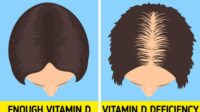
When vitamin D levels are low, the follicle environment may become less hospitable, potentially influencing density and the balance of growth activity. That’s why many people look to supplementation. But supplements don’t create magic from nothing. They tend to behave like a catalyst: more effective when the body is genuinely lacking or when deficiency-related processes are actively being corrected.
Timing, then, becomes less about casting a spell and more about supporting digestion, absorption, and overall consistency—three factors that quietly decide whether a nutrient gets a fair chance to do its work.
Myth vs. Timing: What “Best Time” Really Means
The phrase “best time to take vitamin D” often implies an almost cinematic precision—like taking it at the exact minute the body is most receptive. Real biology rarely cooperates with that kind of choreography. Instead, “best time” usually refers to practical patterns: when absorption is highest, when adherence is easiest, and when side effects are easiest to detect.
For most people, the nutrient’s effectiveness depends on steady intake rather than a single golden hour. Vitamin D is fat-soluble, which means it is absorbed more efficiently in the presence of dietary fat. That shifts “best time” away from clock time and toward meal context.
So the timing question is not always a myth. It’s just frequently misunderstood. The “best time” isn’t necessarily dawn or bedtime; it’s often the time when vitamin D meets the digestive environment it prefers.
Morning vs. Evening: A Metabolic, Not Mystical, Debate
Morning and evening each have plausible advantages, but the strongest difference comes down to how your routine interacts with absorption and your tolerance.
Morning can be convenient for building consistency. It also pairs naturally with breakfast, which tends to include some fat—whether it’s eggs, yogurt, nuts, or avocado. A morning dose can feel energizing for certain individuals, though this isn’t guaranteed. If you notice restlessness after supplementation, morning might not be the most graceful option.
Evening may suit people who prefer taking supplements with dinner. It can also fit those who experience mild nausea with morning pills—though vitamin D itself is usually gentle when taken appropriately with food. If you take vitamin D at night, consider whether it affects your sleep quality indirectly through total routine changes (for example, if you take it alongside caffeine-heavy habits or late-night snacks).
In short: both times can work. The more decisive variable is whether the dose is taken with a meal that includes dietary fat.
With Food: The Absorption Advantage That Beats the Clock
If there is a “secret lever,” it’s pairing vitamin D with food. Fat-soluble vitamins travel best when the digestive system is actively handling fats. Imagine vitamin D as a letter that needs an envelope—dietary fat acts like that envelope, improving how efficiently the nutrient is transported through the intestinal process.
For best results, take vitamin D with a meal that includes healthy fats such as olive oil, eggs, cheese, nuts, seeds, or fatty fish. If you take it on an empty stomach, absorption may be less reliable. Not catastrophic, but less optimal.
Even the most disciplined schedule won’t fully compensate if the supplement is consistently swallowed without the right meal context. Timing, in this case, is less about when and more about what surrounds the pill.
Hair Growth Is a Timeline, Not a Flicker: Expectation Management
Hair doesn’t respond like a light switch. Follicles operate on cycles, and visible changes require time. Vitamin D supplementation is often best framed as a supportive correction rather than an immediate growth booster.
Think of hair growth as a slow-moving river. One drop won’t change the course of the current, but sustained replenishment can influence the landscape over time. Many people may notice changes in shedding patterns, overall feel, or reduced breakage first—before density gains become more obvious.
Depending on baseline deficiency, lifestyle, and genetics, meaningful improvements may take several months. In the hair world, patience is not passivity. It’s strategy.
Deficiency First: Why Labs Can Outperform Guesswork
Timing debates often flourish because the underlying vitamin status is assumed. But vitamin D is measured; it’s not merely guessed. If your levels are already adequate, additional supplementation may do little for hair growth beyond maintaining normal physiology.
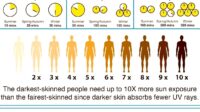
If you suspect deficiency—common in people with limited sun exposure, darker skin tones, certain climates, or dietary restrictions—testing can clarify the playing field. A clinician may evaluate markers such as 25(OH)D and guide dosing accordingly.
This matters for hair goals because supplementation is most effective when it corrects a deficiency. Without that correction, timing becomes a less meaningful variable.
Dosage and Form: The Subtle Influence Behind “When”
Even if you choose the perfect meal time, dosage determines whether the body reaches a supportive range. Many supplements come as vitamin D3 (cholecalciferol), which is commonly used for raising and maintaining levels. The required amount varies widely across individuals.
Also consider whether you take vitamin D alongside other nutrients. Vitamin K2 is sometimes discussed in the same routine, and magnesium is frequently mentioned because it supports enzymatic processes involved in vitamin D metabolism. However, these combinations should be approached thoughtfully, particularly if you take medications or have health conditions.
Rather than obsessing over an exact hour, prioritize a consistent dose plan and ensure it aligns with your body’s real needs.
Can You Take Vitamin D Every Day—or Is Spacing Better?
Many people wonder whether daily dosing is superior to weekly or intermittent dosing. While daily intake may promote steadier blood levels, some regimens use less frequent dosing effectively, depending on the product and clinical guidance.
What stays consistent across approaches is the principle of fat-containing meals and adherence. If you can follow a daily routine without skipping, daily may be easier to sustain. If adherence is difficult, a clinician may recommend spaced dosing rather than abandoning the habit entirely.
Hair growth thrives on continuity. Your schedule should behave like a rails-and-ties system—reliable and predictable.
Safety Signals: Timing Your Awareness, Not Just Your Pill
Vitamin D is powerful because it’s fat-soluble. That also means it can accumulate if overdosed. Side effects may include symptoms such as nausea, constipation, unusual thirst, frequent urination, or fatigue—though these are not exclusive to vitamin D.
The safest approach is to avoid escalating doses impulsively based on internet timing lore. If you decide to experiment with “best time,” keep the dose steady while monitoring tolerability and—when possible—follow up with labs after a reasonable interval.
Consider your routine like a precision instrument: not just when it’s used, but how carefully it’s calibrated.
A Practical Routine: Finding Your Personal “Best Time”
Start with a question: when do you most consistently eat a meal with fat? If your breakfast often includes yogurt, eggs, nuts, or avocado, morning may be the most natural choice. If dinner is your most substantial meal, evening may be your best fit.
Choose a time that you can repeat for weeks. Then anchor it: same meal, same general routine, similar dietary context. This is where timing becomes real. It’s the difference between sporadic intention and dependable behavior.
Once you’ve settled on your personal timing, give it time to work. Hair responds slowly, but habits respond quickly—your body notices repetition.

The Bottom Line: Myth, Timing, and the Real Hair-Helping Truth
The idea of a single “best time” for vitamin D may sound like folklore, but it contains a practical core. The most meaningful timing isn’t usually the hour on the clock—it’s the alignment of vitamin D with food, routine consistency, and your baseline vitamin status. In that sense, timing is real, but it’s not mystical.
When vitamin D is taken with adequate dietary fat, at a consistent time you can maintain, it becomes a reliable contributor to an optimal follicle environment. And while it won’t override genetics or replace targeted hair care, it can help remove one hidden barrier—especially if you were running low in the first place.
So consider your approach like scheduling sunrise for your follicles: not one perfect moment, but a repeatable pattern that supports growth when the follicle is ready to turn the next page.