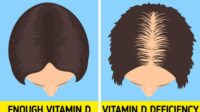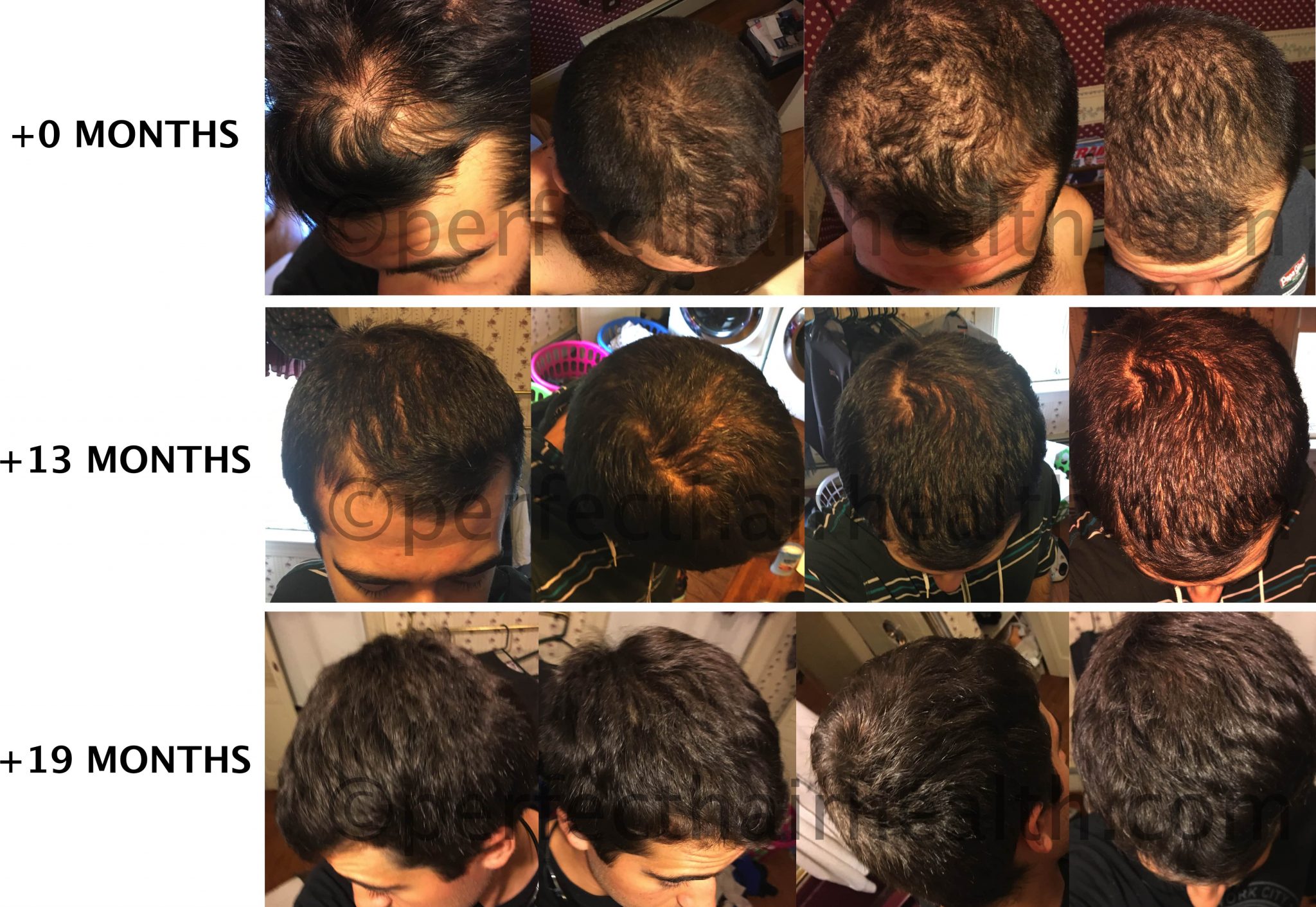
One of the most persistent hopes in hair care is deceptively simple: “If my vitamin D is low, will my hair grow back?” It’s a question that travels through wellness circles, comment sections, and late-night mirror-checking—usually accompanied by the same unmistakable curiosity. The before-and-after images feel like proof, or at least a promise. But the truth is less like a switch being flipped and more like a symphony being re-tuned. Vitamin D can be part of the narrative, yet hair regrowth is rarely a single-cause story. What you’re really noticing—those visible changes, those hesitant timelines—is often the intersection of biology, inflammation, cellular communication, and time itself.
Why “Before & After” Feels Like Evidence (and Why It’s Not the Whole Story)
The fascination with before-and-after transformations is understandable. Hair is one of the few body features that makes progress painfully visible. When shedding slows or density improves, the human brain treats it as confirmation. But “before and after” snapshots are inherently selective. Lighting, styling, scalp massage habits, diet changes, stress levels, and even seasonal shedding can all influence what you see. Add to that the fact that hair cycles unfold on a schedule measured in months, not days. A single image can compress a long biological process into a moment.
There’s also a psychological phenomenon at work: hope makes patterns feel louder. If you recently started supplementation and noticed changes soon after, your mind connects the dots. Sometimes that connection is accurate. Sometimes it’s coincidental. Often it’s both: vitamin D may have improved a biological constraint, while other improvements quietly supported the result.
Still, the allure persists because vitamin D isn’t just another nutrient. It functions like a molecular messenger—helping cells coordinate growth, survival, and immune responses. When that communication becomes efficient, follicles may behave more like they used to.

Vitamin D’s Role in Hair Biology: More Than “A Vitamin”
Vitamin D is often described as a vitamin, but biologically it behaves more like a hormone precursor. It can influence gene expression, immune modulation, and the microenvironment surrounding hair follicles. Hair follicles are not isolated structures; they’re social ecosystems where inflammation levels, oxidative stress, and signaling pathways determine whether follicles remain productive.
When vitamin D is insufficient, the follicular “conversation” can become discordant. Some people may experience an environment that favors shedding or disrupts the transition between growth phases. Hair regrowth, therefore, depends on whether vitamin D corrects a genuine limitation—whether it restores normal signaling rather than merely adding an extra resource to an already-sufficient system.
The deeper reason many people become captivated is that vitamin D touches multiple levers at once. It can affect how the immune system behaves, how keratinocytes respond, and how the scalp’s inflammatory tone shifts. In practical terms, that means the scalp may stop acting like an overreactive stage and start acting like a calm backstage—where follicles can do their work.
The Common Observation: “My Hair Started Growing Back After Vitamin D”
Many individuals report improvement after beginning supplementation. Shedding may slow. New growth may appear as short, stubborn hairs that seem to arrive in waves. Sometimes thickness increases, and the hairline appears more stable. It can feel like a direct cause-and-effect relationship.
Here’s the nuance: vitamin D regrowth stories can be true without being purely causal. If vitamin D was low, supplementation can reduce a contributing deficiency. Reduced deficiency can, in turn, lower inflammatory stressors and improve follicle resilience. But hair growth is also influenced by iron status, thyroid function, protein intake, androgen balance, and the overall endocrine climate.
That’s why two people can take the same supplement and see different results. One person may have a vitamin D bottleneck that was genuinely restricting growth. Another may have a bottleneck elsewhere. Vitamin D helps most when it’s missing—or when it’s functionally misaligned.
The “Hair Growth Timeline” Reality: Why It Takes Time to Look Different
Even when vitamin D helps, the mirror doesn’t deliver instant gratification. Follicles do not sprint into visible regrowth overnight. Hair growth moves through a cyclical choreography. Shedding can decrease before thickness increases. Short regrowth can appear before it becomes noticeable in density. And the phases of shedding and regrowth can overlap, creating a confusing, stop-start feeling.
For many people, early changes—less shedding, softer scalp sensations, improved hair feel—may appear first. Visible length or density gains often lag behind because the hair shaft must grow from micro-thickness stages to a fuller, more detectable presentation.
There’s also the subtle phenomenon of “catch-up.” If the follicle environment becomes more supportive, follicles that were previously underperforming may re-enter productive cycles. That re-entry is gradual, almost conspiratorial in how slow it feels. The fascination grows because the progress eventually becomes undeniable, but it asks for patience as the price of admission.

Before You Supplement: How to Tell If Low Vitamin D Is Actually the Culprit
The most important truth is also the most easily overlooked: vitamin D is not a universal hair remedy. Supplementation is most rational when it’s guided by measurement. A blood test—typically assessing 25-hydroxyvitamin D—can clarify whether you’re dealing with deficiency or insufficiency. Without that context, you may be throwing money at a theory rather than correcting a biological constraint.
Even with documented low levels, hair loss has multiple common “accomplices.” Iron deficiency (ferritin), thyroid irregularities, recent illness, scalp inflammation, telogen effluvium triggers, and androgenetic patterns can all mimic or mask vitamin-driven progress. Sometimes vitamin D is part of the solution. Sometimes it’s merely nearby in the causal crowd.
Think of hair loss like a detective case. Vitamin D is a suspect, not a confession. When labs, symptoms, and history align, the likelihood that vitamin D is genuinely involved rises sharply.
What “After” Can Really Mean: Shedding Stabilization vs. Full Restoration
People sometimes describe “regrowth” when what they’re seeing is stabilization. That distinction matters. Stabilization can be a major win. Reducing shedding can prevent further density loss and create a platform for eventual thickening. Meanwhile, true restoration—especially in androgen-driven thinning—may require additional strategies.
Before-and-after images often hide the complexity: the scalp may look fuller because shedding slowed, not necessarily because dormant follicles instantly resurrected. Over time, however, follicles can respond more deeply when the underlying environment improves. Vitamin D may support that deeper response, but it usually does not act alone.
In other words, “after” is not always a single event. It can represent multiple biological shifts occurring on different schedules.
Deeper Reasons People Stay Fascinated: The Promise of Molecular Precision
The obsession with vitamin D and hair regrowth isn’t only about vanity. It’s about the idea that a hidden deficiency might be corrected with a relatively straightforward intervention. That’s a kind of molecular precision people crave—especially when other hair solutions feel like guesswork or expensive rituals.
Vitamin D’s appeal also stems from its broader role in immune and inflammatory regulation. Hair loss frequently has a sensitivity component—where the scalp behaves differently under stress. When the scalp calms, hair often follows. This is why some people notice not only density changes but also comfort: a less reactive scalp, reduced itchiness, improved overall hair feel.
And yet, fascination persists because the story is incomplete without caution. The body doesn’t respond to hope alone; it responds to balanced physiology.

How to Use Vitamin D Responsibly for Hair Goals
Responsibility is not a buzzword; it’s a biological necessity. Too little vitamin D can restrict function. Too much can create other problems, including potential toxicity. Therefore, supplementing should be anchored to lab results and guided dosing guidance—preferably with clinical input.
Consistency matters more than drama. Many people stop early when they don’t see immediate change, but hair regrowth requires time for cycle transitions. It also requires supportive basics: adequate protein, micronutrient sufficiency (especially iron and zinc where appropriate), and scalp care that avoids excessive irritation.
If vitamin D is part of a larger plan, it can act as a stabilizing substrate—helping hair follicles rebuild their capacity to grow. If it’s not, it still contributes to overall health, but it may not deliver the hair-specific outcome people imagine.
Final Truth: Vitamin D Can Help—But Hair Regrowth Is a Multi-Factor Outcome
The truth is simple and unromantic: vitamin D can support hair regrowth, especially when deficiency is present, but it rarely functions as a standalone miracle. The before-and-after fascination comes from real biology—molecular signaling, immune modulation, and follicle resilience—combined with the human hunger for visible change.
When you approach the story with measurement, patience, and a willingness to look beyond one nutrient, the path becomes clearer. You’re not just chasing regrowth. You’re correcting a system. And when the system starts behaving differently, the hair often follows—quietly at first, then unmistakably.