Hair loss has a way of colonizing hope and anxiety in equal measure. One week it’s stress, the next it’s hormones, and then—almost inevitably—someone says, “Have you tried vitamin D?” The promise is seductive: a single nutrient, almost superhero-like, quietly repairing what biology has frayed. But is vitamin D truly a miracle for hair loss, or is it a well-packaged overstatement? The final verdict is more nuanced than either slogan. Vitamin D can matter, sometimes significantly. Yet it is not a universal cure, and the “miracle” narrative often outpaces the science.
What Vitamin D Actually Does for Hair
Vitamin D is not merely a “bone vitamin.” It behaves more like a regulatory hormone within the body, influencing immune signaling, cell growth, and inflammatory pathways. In the hair follicle environment, these actions can shape the cycling of hair growth—especially the transition between resting and active phases.
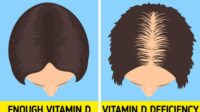
When vitamin D levels are low, the body may respond with a less coordinated follicle microenvironment. That can mean hair behaves as though it’s under siege: shedding may increase, density may falter, and regrowth can feel slower or patchier. Importantly, vitamin D’s role is often supportive rather than standalone. Think of it as stabilizing the stage lighting; without the right script, the performance still won’t land.
Vitamin D Deficiency and the Hair Loss Connection
Low vitamin D status has been associated with certain hair concerns, including diffuse shedding and autoimmune-related conditions. The relationship isn’t identical for everyone. Some people with low levels never experience major hair changes, while others notice a clear shift when levels drop.
The most credible scenario is the “deficiency-driven” pattern. If vitamin D is insufficient, correcting it may improve the odds for healthier follicle function. But improvement is not guaranteed, and it may take time. Hair cycles are slow by design; even when biology turns in your favor, visible change can lag behind.
To make this personal and not guesswork, readers can expect content that emphasizes testing, baseline health context, and realistic timelines. A strong article will urge lab confirmation and interpret results alongside factors like ferritin (iron stores), thyroid status, vitamin B12, zinc, and overall protein intake.
For Which Hair Loss Types Vitamin D May Help
Not all hair loss is created equal. Vitamin D is not a universal remedy; its potential relevance is more selective. Several categories often come up in reader-focused discussions.
1) Telogen Effluvium (Diffuse Shedding): This type is often triggered by stressors—illness, surgery, major life events, nutrient deficits. If vitamin D deficiency is part of the background, correcting it may support recovery. Readers can expect explanations that frame vitamin D as one cog in a larger mechanism.
2) Alopecia Areata (Autoimmune Pattern): Because vitamin D influences immune regulation, some people explore it as an adjunct. Content in this lane usually highlights that medical care remains central—especially because autoimmune hair loss can require targeted therapies. Vitamin D is often presented as a potential supportive lever, not the main steering wheel.
3) Androgenetic Alopecia (Pattern Hair Loss): This is the “classic” thinning pattern associated with genetics and hormones. Vitamin D may correlate with hair health, but supplements are rarely framed as a primary fix. Readers in this section typically see comparisons against proven mainstays like minoxidil and prescription options.
4) Scalp Inflammation and General Follicle Stress: For some individuals, improving overall deficiencies and modulating inflammatory processes may create a better environment for regrowth. Articles here often describe “follicle resilience” rather than dramatic instant reversal.
When Vitamin D Turns Into Overhype
Overhype usually begins the moment vitamin D is marketed as a one-size-fits-all miracle. Hair loss is not a single-cause problem; it is a symptom of multiple possible systems failing to synchronize. If someone assumes vitamin D alone is responsible, they may delay effective treatment.
Several common pitfalls show up in consumer narratives:
1) Confusing correlation with causation: Low vitamin D may accompany hair loss without being the true driver.
2) Skipping root-cause testing: Thyroid disease, iron deficiency, medication effects, postpartum changes, and scalp disorders can all masquerade as “nutrient issues.”
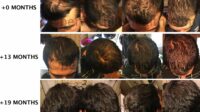
3) Expecting rapid transformations: Hair is slow. Supplementation can take months to reveal meaningful effects.
4) Oversupplementing: Too much vitamin D can be harmful, including elevated calcium levels. A professional article should stress dose prudence and clinician guidance.
What a “Final Verdict” Readers Can Expect: Evidence vs. Expectation
The final verdict lands here: vitamin D can be a meaningful factor when deficiency exists, and it may support recovery in select hair loss scenarios. Yet it is not a guaranteed cure. Expect content that balances optimism with restraint. The strongest articles offer “decision pathways,” not just promises.
For example, a well-structured piece may include these content elements:
- How to interpret vitamin D results (without turning numbers into guesswork)
- How long to wait before judging outcomes (hair cycle reality)
- What additional labs matter if shedding is persistent
- When to consult dermatology (especially for patchy loss, scalp pain, or sudden heavy shedding)
Testing, Dosing, and Safety: The Unsexy Parts That Matter
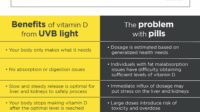
Readers deserve the unromantic truth: supplementation should follow assessment. Vitamin D testing (typically 25-hydroxyvitamin D) helps determine whether a deficiency or insufficiency is present. From there, dosing strategies vary by baseline level, sun exposure, dietary intake, body weight, and coexisting conditions.
Safety also deserves airtime. Excess vitamin D can tip calcium balance and lead to complications. That’s why high-quality content often includes cautionary phrasing: avoid mega-doses without medical supervision, watch for interacting conditions, and consider periodic rechecks.
How Sunlight, Diet, and Lifestyle Interact with Vitamin D
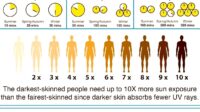
Vitamin D isn’t purely a supplement story. Sun exposure can contribute substantially, though it depends on latitude, season, skin pigmentation, sunscreen use, and lifestyle. Diet also plays a role—especially foods like fatty fish and fortified products.
Many readers benefit from content that compares three levers: dietary intake, sunlight exposure, and supplements. The best guidance frames them as an integrated triangle rather than a single hack. Short sentences can punctuate this section: “Your body is not a vending machine.” Longer ones can broaden the message: skin health, sleep, stress regulation, and overall nutrition all influence how follicles behave.
What to Do While Waiting for Results
While vitamin D strategies settle into the body’s rhythms, hair still needs practical support. Readers can expect recommendations that pair internal correction with external care. This often includes gentle scalp habits, avoiding harsh traction, and minimizing aggressive chemical treatments when shedding is active.
Some individuals also explore topical or medical options. A professional article typically avoids claiming that supplements replace evidence-based therapies. Instead, it positions vitamin D as part of a broader regimen.
Expected timeline content: shedding may not immediately slow, and regrowth can look subtle before it becomes obvious. A good narrative will prepare readers for the “awkward middle,” the period where hope and patience must coexist.
Different Types of Content Readers Will Find (and How to Judge Them)
Not all content is equal. Readers often encounter three major formats:
1) The promotional narrative: It uses certainty-heavy language and implies universality. Be cautious when vitamin D is portrayed as a magic switch.
2) The deficiency-focused guide: It emphasizes testing, safety, and realistic outcomes. This is usually the most reliable content style.
3) The scenario-based explainer: It maps symptoms to possible categories—telogen effluvium, autoimmune patterns, androgenetic thinning—and then places vitamin D in context.
A discerning reader can ask a simple filter question: Does the article explain “for whom” vitamin D may help, “why,” and “how long it takes”? If it doesn’t, the piece is likely riding hype rather than guiding decisions.
Final Verdict: Miracle or Overhype?
Vitamin D is not a miracle cure for hair loss. But it is also not meaningless. The truth is conditional: when vitamin D is low, correcting it can support follicle function and may improve outcomes for certain hair loss types. When vitamin D levels are already adequate—or when hair loss is driven by a different mechanism—supplementation may offer little to no noticeable benefit.
So the verdict is balanced and practical. Vitamin D can be a helpful ally, particularly in deficiency states and in contexts where immune regulation and inflammation play a role. Yet it should be treated like a component of a larger medical and nutritional strategy, not a single-handed rescue plan.
In the end, the best approach is neither surrender nor denial. Test, interpret, correct wisely, and build a plan that matches the underlying hair loss pattern. That’s the kind of “miracle” that doesn’t require exaggeration—just good judgment and time.