Chronic inflammation is often described like a quiet fire that never truly goes out—smoldering behind the scenes, stoking tissue fatigue, and reshaping the immune landscape over time. Vitamin D enters this story not as a dramatic extinguisher, but as a master regulator: a molecular “quartermaster” that calibrates immune signals, mends dysregulated barriers, and persuades inflammatory pathways to stand down. Yet its appeal is not limited to theory. There is a practical, measurable angle too—deficiency is common, deficiency is modifiable, and vitamin D can be dosed with increasing precision. The intriguing part is how one small nutrient can influence an ensemble of mechanisms: from cytokine choreography to oxidative balance, from gut integrity to immune tolerance.
Why Chronic Inflammation Feels So Persistent
Chronic inflammation has a stubborn personality. It lingers because the immune system becomes desensitized to “stop” cues and overreacts to signals that should be routine. Instead of switching off cleanly after a threat, inflammatory circuits can cycle like a restless metronome—persistent, rhythmic, and exhausting.
At the cellular level, the story frequently involves elevated pro-inflammatory mediators (such as TNF-α, IL-6, and IL-1β), altered macrophage polarization, and a disrupted balance between effector T cells and regulatory T cells. Meanwhile, oxidative stress adds fuel. Reactive oxygen species act like sparks in dry timber, and damaged tissues release additional inflammatory signals. This is where vitamin D can become compelling: it does not target a single switch. It nudges multiple nodes in the inflammatory network, encouraging resilience rather than escalation.
Vitamin D’s “Immune Conductor” Mechanisms
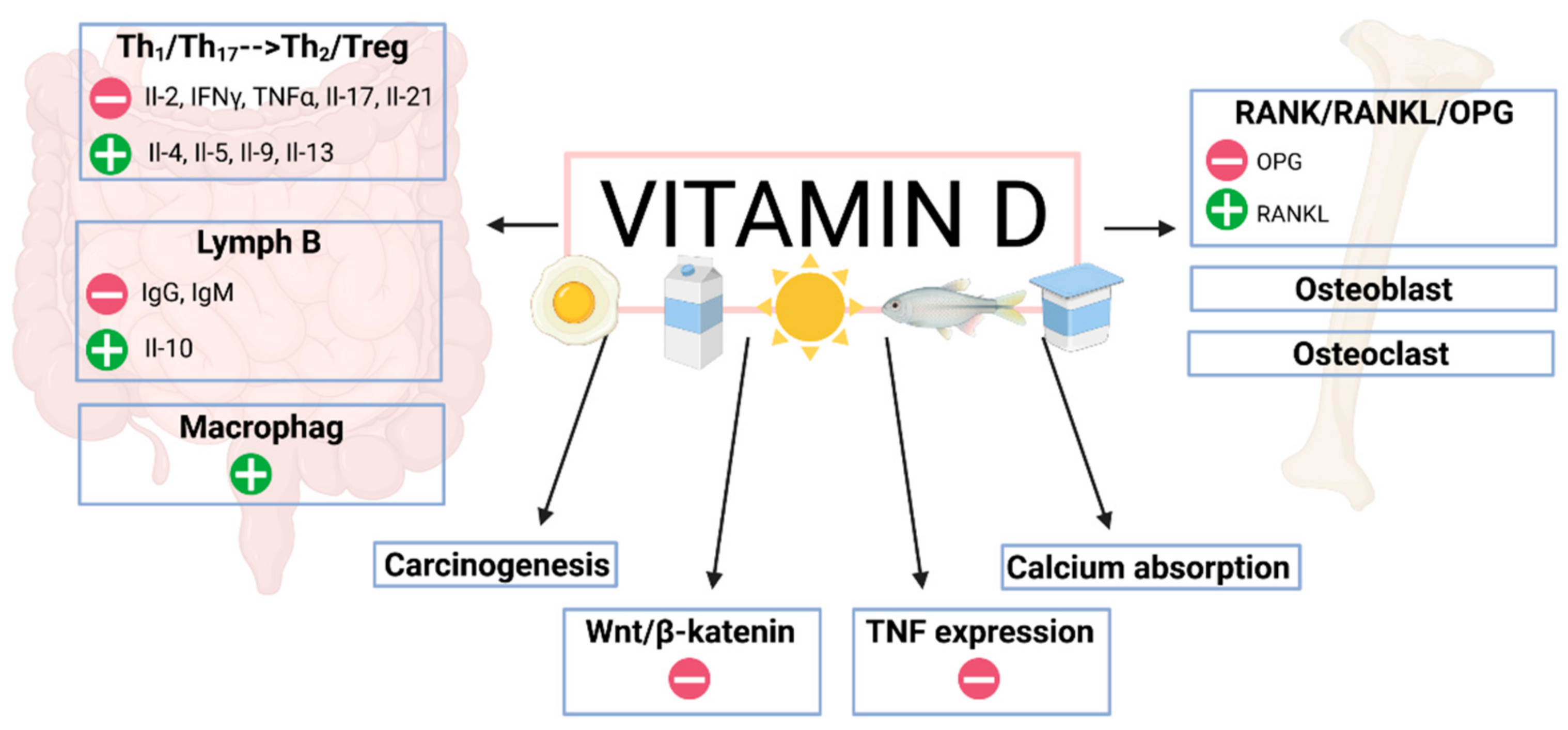
Vitamin D is best understood as a hormone-like regulator that signals through the vitamin D receptor (VDR). Once activated, VDR influences gene transcription across a variety of cells—including immune cells (T cells, B cells, macrophages, dendritic cells) and barrier-forming tissues.
Think of VDR as an immune conductor with a tuning fork for cytokines. When the orchestra grows chaotic—too much inflammatory volume—vitamin D promotes a more harmonious arrangement. It tends to:
1) Encourage regulatory signaling: Vitamin D often supports the development and function of regulatory T cells, which act like diplomatic mediators preventing excessive immune aggression.
2) Restrain inflammatory cascades: It can reduce the expression of pro-inflammatory cytokines and dampen overactive antigen presentation.
3) Improve innate immune balance: Vitamin D interacts with macrophage activity, helping shift responses toward a less inflammatory phenotype.
These actions are not instantaneous lightning bolts. They are gradual harmonization—adjustments that may take weeks to become visible, especially when deficiency is corrected and immune signaling needs recalibration.
Barrier Integrity: The Gut’s Hidden Front Line
One of the most intriguing arenas for vitamin D is the barrier—the thin, disciplined border between inside and outside. In chronic inflammation, barrier dysfunction (especially in the gut) can permit microbial components to leak into places where they should not. This leakage can behave like smuggled accelerants, provoking ongoing immune activation.
Vitamin D supports barrier integrity through multiple routes. It can promote epithelial cell survival and influence tight junction proteins. It also interacts with antimicrobial peptide expression, which helps maintain a steadier microbial environment. The result is a calmer immune rehearsal space.
In narrative terms, chronic inflammation is not only an immune problem; it is often a border problem. Vitamin D can be read as a careful border engineer, strengthening the walls while also training sentries to respond proportionately.
Oxidative Stress and Inflammation: A Two-Way Street
Inflammation and oxidative stress are mutual collaborators. Inflammatory cells generate reactive oxygen species; oxidative stress then damages tissues and amplifies inflammatory signaling. Vitamin D’s role here is subtle but meaningful—it contributes to redox homeostasis and may support pathways that reduce oxidative harm.
When oxidative stress eases, cells experience less “wear and tear” and release fewer distress signals. That can indirectly reduce inflammatory recruitment. Short-term shifts may be limited, but with consistent correction of deficiency, the inflammatory environment can become less combustible.
Dose Logic: From Blood Levels to Biological Intent
Dosing vitamin D is not simply about taking “more.” It is about mapping dose to serum 25-hydroxyvitamin D [25(OH)D]—the commonly used marker of vitamin D status. The goal is to relieve deficiency and maintain sufficient levels that permit immune regulation.
Because individuals vary in baseline levels, body mass, sun exposure, diet, and absorption, dosing should be individualized. Still, practical dose ranges are widely used in clinical and public-health contexts.
Common Dosing Approaches (Adults)
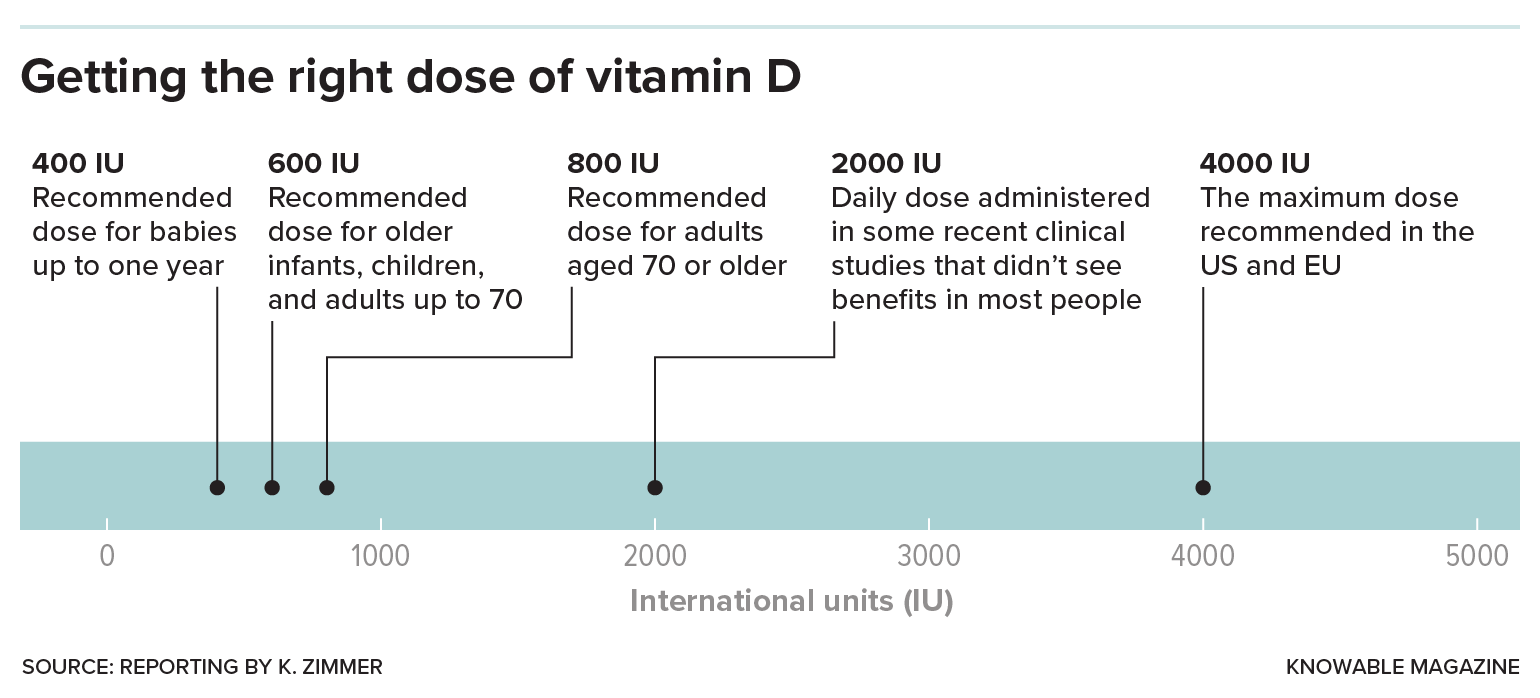
Maintenance dosing (typical): Many adults use 1,000–2,000 IU (25–50 mcg) daily to maintain adequate levels, especially if baseline deficiency risk is moderate.
Correction of low levels (typical): When 25(OH)D is low, higher short-term or sustained dosing may be used, such as 2,000–4,000 IU (50–100 mcg) daily. Some clinicians use alternative regimens (including intermittent higher dosing), depending on adherence and monitoring plans.
Monitoring checkpoint: Rechecking serum 25(OH)D after about 8–12 weeks helps confirm whether the dose achieved the desired range. It is like checking the thermostat after adjusting the furnace—otherwise the room stays either too cold or unnecessarily overheated.
Important: Dosing decisions should consider kidney disease, granulomatous disorders, hyperparathyroidism, pregnancy specifics, medication interactions, and a history of hypercalcemia.
Target Ranges and the Meaning of “Sufficient”
Serum targets are often discussed as “sufficient” ranges, but the most appropriate level depends on the context—bone health, immune considerations, and baseline deficiency risk. For chronic inflammation discussions, the key point is consistency: vitamin D is most plausibly beneficial when deficiency is corrected and levels are maintained, not when supplementation is erratic.
Think of vitamin D like a dimmer switch on inflammatory intensity. If the bulb is missing (deficiency), the switch cannot function. If the bulb is present but flickering (inconsistent dosing), the immune system may still behave unpredictably. With steady sufficiency, the switch can be turned more reliably toward balance.
Safety: The Line Between Regulation and Overdrive
Vitamin D is generally well tolerated at recommended doses, but excessive intake can raise calcium levels, potentially leading to hypercalcemia and associated complications. This is rare with typical maintenance dosing, but it becomes a risk when high doses are taken without monitoring.
Safety guardrails matter particularly for chronic inflammatory patients who may also be taking other supplements or medications. Regular monitoring of 25(OH)D and sometimes serum calcium is prudent when higher doses are used, when there are comorbidities, or when symptoms suggest calcium imbalance (e.g., excessive thirst, frequent urination, constipation, fatigue).
How Vitamin D May Help Across Chronic Conditions
Chronic inflammation appears in many forms—autoimmune disorders, chronic bowel inflammation, inflammatory dermatologic conditions, and more. Vitamin D’s appeal lies in the shared upstream logic: immune dysregulation, barrier disruption, and cytokine imbalance.
While not a universal cure, vitamin D can function as an adjunct—an immune “stabilizer” that may complement anti-inflammatory therapies. In some patients, adequate vitamin D status correlates with less inflammatory activity markers; in others, supplementation may help when deficiency is driving a portion of the problem.
Timing, Absorption, and Practical Adherence
Vitamin D is fat-soluble, so it is often better absorbed with meals that include dietary fat. Many people prefer morning dosing, but the “best time” is less important than consistency. Adherence is the quiet multiplier of benefit. A thoughtfully chosen schedule—daily, weekly, or otherwise—should match real life rather than idealized routines.
Also consider absorption factors: gastrointestinal disorders, malabsorption syndromes, and certain medications can reduce vitamin D uptake. In those settings, monitoring becomes even more valuable.
Personalizing Your Plan: A Narrative of Balance
A chronic inflammation plan is rarely one-dimensional. Vitamin D works best when woven into a larger framework: diet quality, sleep regularity, physical activity, stress reduction, and medical management when needed. Supplementation alone may not extinguish the entire fire, but it can change the character of the flames.
Imagine your immune system as a theater. Inflammation is the understudy that keeps stepping into the spotlight. Vitamin D helps the production crew tighten cues so the understudy doesn’t permanently replace the lead. It doesn’t erase every script conflict—but it can reduce needless drama.
Conclusion: The Quiet Power of Corrected Vitamin D
Vitamin D’s role in chronic inflammation is both mechanistic and practical. Mechanistically, it influences immune signaling, regulatory pathways, barrier integrity, and oxidative balance. Practically, it offers a measurable target: serum 25(OH)D can be tested, dosing can be adjusted, and sufficiency can be maintained.
The most compelling unique appeal is this: vitamin D is not merely an idea; it is a modifiable variable. When deficiency is corrected, the immune system may regain some of its lost “governance,” shifting from constant alarm toward controlled vigilance. In the story of chronic inflammation, that shift—small on paper, meaningful in the body—can be the difference between smoldering and healing.