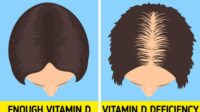
Your hair can be a living ledger of what’s happening inside your body. When vitamin D levels drop, the scalp often becomes the first stage for a quiet, creeping drama—hair thinning that doesn’t announce itself with a single dramatic moment, but with subtle changes you start to notice in mirrors, brushes, and dim bathroom lights. Vitamin D deficiency is not merely a “number on a lab report.” It can feel like a dwindling lighthouse beam: still present, but suddenly too weak to guide healthy growth. If your strands are losing density, this symptom deserves attention you can’t postpone.
Vitamin D: The Unseen Conductor of Follicle Life
Vitamin D doesn’t behave like a simple vitamin you either have or don’t. It acts more like an orchestra’s conductor—directing timing, regulating processes, and helping cells communicate in a coordinated rhythm. Hair follicles rely on intricate biochemical signaling to cycle through growth, rest, and renewal. When vitamin D is insufficient, those signals can become discordant. The result may be a follicle environment that struggles to sustain growth, nudging strands toward increased shedding and thinner appearance.
Consider the follicle as a small city that runs on logistics. Vitamin D helps maintain supply routes for cell function, differentiation, and immune balance. Without it, maintenance crews may arrive late, buildings may look worn sooner, and the city gradually feels less robust. Over time, the external effect becomes visible: hair density decreases, part lines broaden, and ponytails feel lighter.
How Deficiency Can Translate Into Hair Thinning
Hair thinning from vitamin D deficiency isn’t always immediate. Often, it emerges like fog rolling in—small signs, then noticeable change. You might observe:
• Increased shedding beyond your usual baseline.
• Slower regrowth after you trim or shed.
• Thinner strands that feel less substantial.
• Widening of the scalp visibility, especially at the crown or part.
Vitamin D interacts with pathways related to inflammation and immune regulation. Since the scalp is not just skin, but a living immunological ecosystem, imbalances can disrupt follicle cycling. Some people experience more pronounced shedding, while others notice a gradual thinning that becomes obvious only after months of “why does it look different?” moments.
The Scalp’s Mood: Inflammation, Immunity, and Follicle Stress
Inflammation is a shape-shifter. It can present as redness, itch, or flaking—but it can also remain nearly invisible, operating like a low-grade electrical storm beneath the surface. Vitamin D is implicated in immune modulation, and when levels are low, inflammatory signaling can tilt out of balance. Follicles may become more sensitive to stressors, and the hair cycle can shorten at the growth phase.
Think of follicle health like a greenhouse. Even when the temperature is “technically fine,” subtle shifts—humidity, airflow, nutrient availability—can affect plant vigor. The hair follicle is similar. When immune conditions become unstable, the greenhouse becomes less forgiving. Strands that might have stayed thick and resilient instead thin over time.
Signals Beyond Hair: Other Clues Your Body May Be Whispering
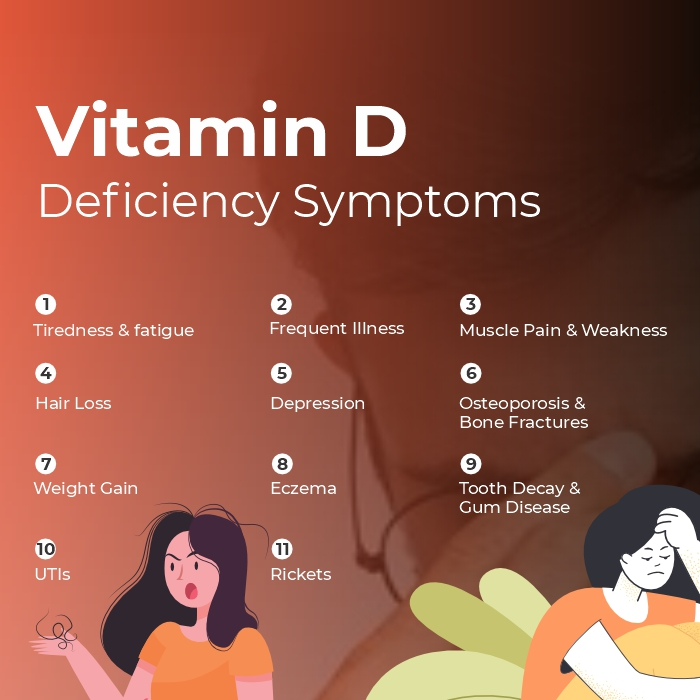
Hair thinning can be the headline, but vitamin D deficiency often leaves footnotes elsewhere. People may also experience:
• Muscle aches or generalized weakness
• Fatigue that feels deeper than sleepiness
• Low mood or a “gray” sensation
• Bone discomfort or increased susceptibility to discomfort
These aren’t universal, and they don’t diagnose anything alone. Yet, when multiple subtle cues appear together—especially alongside scalp changes—it’s a persuasive narrative. Your body may be sending a multi-channel message, with hair thinning as the most noticeable translation.
Who’s at Higher Risk of Low Vitamin D
Vitamin D is partly dietary, but it’s also synthesized through sunlight exposure. Many factors can conspire against adequate levels. Risk rises in people who:
• Live in places with limited sunlight or have long winters
• Spend most of their day indoors
• Wear clothing that reduces skin exposure
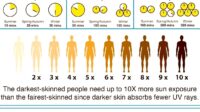
• Have darker skin tones (which affects cutaneous vitamin D production)
• Have conditions affecting absorption, such as certain gastrointestinal disorders
• Are older (skin’s ability to produce vitamin D can decline)
There’s also a modern pattern to consider: people may avoid sun for skin safety, which is wise—yet it can unintentionally reduce vitamin D synthesis. This creates a careful balancing act: protecting the skin while still supporting the internal environment that hair follicles need.
When Vitamin D Deficiency Meets Genetics and Stress
Hair thinning rarely travels alone. Genetic predisposition, hormonal fluctuations, chronic stress, nutritional gaps, and sleep disruption can stack like overlapping layers of translucent film. Vitamin D deficiency may act as one of those layers—softening the strength of growth signals. The combined effect can look like a stronger, faster thinning story than any single factor would explain.
Stress itself influences cortisol and inflammatory pathways, and the scalp—already a sensitive terrain—may amplify the response. In that context, vitamin D becomes a stabilizing variable. Restoring adequate levels can help create conditions where other therapies, lifestyle changes, and haircare strategies have a better chance to work.
How to Tell If Vitamin D Is Involved: Testing and Clinical Clues
If you’re noticing persistent shedding or progressive thinning, the logical next step is not guesswork. A clinician can evaluate risk, symptoms, and consider lab testing—commonly focusing on 25-hydroxyvitamin D, the standard marker. Sometimes, tests may also include relevant nutritional and metabolic factors that affect hair, such as iron status or thyroid markers, depending on the situation.
Testing can turn a foggy timeline into a clear route. It helps distinguish between “hair is thinning due to multiple forces” and “a specific deficiency is amplifying the process.” Either way, the information can guide a more precise approach.
Correction: Supplements, Sunlight, and the Discipline of Consistency
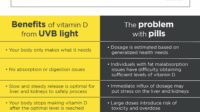
Correcting vitamin D deficiency typically involves a combination of lifestyle strategies and, when necessary, supplementation. Sunlight exposure can help, but it should be approached thoughtfully—enough to support vitamin D while still protecting against skin damage. Many people find that they do better with a structured plan rather than sporadic sun-bathing.
Supplements may be recommended based on lab results and individual needs. Consistency matters. Think of vitamin D like water for the roots of a tree: you don’t see the improvement instantly in the leaves. The hair growth cycle has its own pacing, meaning changes may take weeks to months. That patience can feel frustrating. Yet, when you’re working with biology, tempo is everything.

Beyond Vitamin D: Building a Scalp Environment That Favors Growth
Vitamin D is a cornerstone, not a solitary solution. Hair follicles thrive when the whole environment supports them. That means:
• Adequate protein to provide building blocks for keratin structures
• Iron and zinc sufficiency for cellular turnover and oxygen transport
• Balanced lipids and micronutrients that influence skin barrier function
• Scalp care that respects your microbiome, avoiding harsh irritation
• Gentle styling, reducing traction and breakage
Breakage and shedding can look similar at first, but they behave differently. Addressing vitamin D may reduce shedding drivers while parallel improvements reduce breakage and dryness. The result can be hair that looks fuller—not just because it stops falling, but because it stays.
What “You Can’t Ignore” Really Means: Timing, Evidence, and Hope
Hair thinning can be emotionally loud even when it’s physically subtle. The reason vitamin D deficiency is a symptom you can’t ignore is not panic—it’s strategy. The earlier you identify a modifiable factor, the more effectively you can influence the course. Waiting too long can allow follicles to remain in a stressed, under-supported state.
Yet there’s also hope in the biology. Vitamin D is measurable. Deficiency is correctable. Hair is responsive, though not overnight. When you treat this issue with both curiosity and discipline, you’re not just chasing thicker hair—you’re restoring a supportive internal atmosphere where your follicles can resume their work.
A Practical Next Step
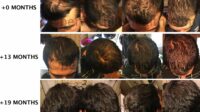
If thinning is becoming noticeable, consider a two-track approach: evaluate vitamin D status through appropriate testing and simultaneously support overall scalp and nutrition health. Keep a simple timeline—take photos in consistent lighting, note shedding days, and watch how your scalp responds to care changes. Over time, patterns emerge. And patterns, unlike worries, can be acted upon.
Your hair is not only decoration. It’s a reflection of internal balance. Vitamin D deficiency may be the missing chapter in your story—one you can finally read, understand, and rewrite.