What if a “sunshine vitamin” could become an unexpected ally in the frustrating world of vulvodynia and chronic pelvic pain? It sounds whimsical—almost like borrowing a ray of light from the sky and trying to turn it into relief. Yet for many people, the quest for understanding and healing feels anything but playful. Here’s the twist: vitamin D may not be a magic wand, but it could be a meaningful piece of a complicated puzzle. And the potential challenge is real—because chronic pain is rarely one-cause, one-fix, one-size-fits-all.
When Pain Becomes a Map, Not a Message
Vulvodynia is often described as chronic vulvar pain without a single clear, visible explanation. That can make it especially isolating. Chronic pelvic pain, similarly, can persist even when standard evaluations show little or nothing dramatic. So, instead of behaving like a temporary flare-up, the pain can become chronic, hypersensitive, and stubbornly present.
This is where the concept of “sensitization” matters. The nervous system can start interpreting ordinary stimuli—pressure, friction, even certain sensations of touch—as threats. The result is a kind of neural overgrowth of alarm signals. It can feel unfair, and often it is.
Now imagine adding another variable: vitamin D status. When levels are low, the body’s regulatory pathways—those that help manage inflammation, immune signaling, and tissue integrity—may not function as smoothly. The question then becomes: could a vitamin D deficiency be one of the contributors that helps maintain the pain loop?
Vitamin D: Beyond Bones and Into Biology
Vitamin D is not merely a mineral manager for skeletal health. It behaves more like a hormone-like modulator. Many tissues contain vitamin D receptors, which means its influence is wider than most people expect. It can affect immune responses, epithelial health, and inflammatory cascades. It also participates in neuromuscular regulation and may influence pain perception indirectly.
In the context of vulvar and pelvic discomfort, these effects aren’t theoretical in real life. If vitamin D helps tune inflammatory processes and supports barrier function in tissues, low levels might contribute to a heightened inflammatory tone or compromised local resilience.
Think of vitamin D as a “conductance regulator” in the body’s backstage orchestra—less visible than the main performance, but capable of changing how the music sounds.
The Challenge: Correlation Isn’t a Cure, and Pain Is Multifaceted
Here’s the playful question again—but with sharper edges: could vitamin D fix vulvodynia? Possibly for some individuals, but not in a universal, guaranteed way. Chronic pelvic pain frequently involves overlapping mechanisms—neuropathic features, muscular involvement (including pelvic floor hypertonicity), hormonal fluctuations, dermatologic conditions, and sometimes psychosocial contributors that interact with pain pathways.
So the challenge is twofold. First, correcting vitamin D may improve a biological “background setting” rather than extinguishing pain on its own. Second, an overly narrow focus can delay broader evaluation and integrated care.
In other words: vitamin D might be a helpful chapter, not the entire book.
How Low Vitamin D Might Influence Vulvodynia
Several plausible pathways could connect vitamin D insufficiency to vulvodynia and chronic pelvic pain.
Immune modulation: Vitamin D participates in immune balancing. If levels are low, immune signaling may tilt toward a more inflammatory pattern.
Inflammation control: Chronic pain can be “fuelled” by low-grade inflammation. Vitamin D’s role in inflammatory regulation may reduce that background irritation for some people.
Barrier and tissue support: The vulvar epithelium functions like a protective interface. Vitamin D may support tissue health and help maintain resilience—important when discomfort is aggravated by friction, dryness, or micro-irritations.
Neurological sensitization: Pain pathways can become sensitized. While vitamin D is not a direct analgesic in the way medications are, it may contribute to how the nervous system calibrates response to stimuli.
These mechanisms don’t guarantee an outcome, but they offer a credible bridge between lab biology and lived experience.
Symptoms That Prompt the Vitamin D Question
It can be tempting to assume that vitamin D is only relevant for fatigue or bone health. Yet people with chronic pelvic pain may also notice broader patterns that overlap with vitamin D deficiency—sometimes fatigue, musculoskeletal aches, low mood, or increased susceptibility to illness. None of these are specific, but they can nudge clinicians and patients to consider testing.
Other common contextual factors include limited sun exposure, darker skin pigmentation (which can reduce vitamin D synthesis), older age, malabsorption syndromes, or certain medications that affect vitamin D metabolism. And in postmenopausal contexts, hormonal changes can alter tissue sensitivity and dryness, creating conditions in which inflammation and barrier stress may be more likely.
So the question becomes less “Does vitamin D cause vulvodynia?” and more “Could vitamin D status be one modifiable amplifier in the pain ecosystem?”
Testing First: The Practical Entry Point
If vitamin D is going to be part of a plan, measurement is more responsible than guesswork. Clinicians often assess a blood level of 25-hydroxyvitamin D. That number can help identify insufficiency or deficiency and guide supplementation strategies.
It’s also useful to evaluate comorbidities and contributors—thyroid function, iron status, inflammatory markers when appropriate, and reproductive or dermatologic considerations. The body is not one system. Pain rarely respects single-cause explanations.
One short sentence can summarize the practical approach: measure, contextualize, then intervene.
Supplementation: A Thoughtful, Not-Too-Romantic Approach
Vitamin D supplementation should be individualized. People differ in baseline level, absorption, body weight, sun exposure, and concurrent conditions. Dosing is often discussed in terms of achieving a target blood level rather than using a “standard dose for everyone.”
Consistency matters. Vitamin D does not work like a topical numbing agent. It may take weeks to show changes in laboratory markers, and even then, symptom improvement—if it happens—may evolve gradually.
There’s also a safety dimension. Excess vitamin D can lead to elevated calcium, which can cause complications. That’s why medical supervision and periodic rechecking can be valuable, especially when higher doses are used.
Pairing Vitamin D With a Whole-Person Strategy
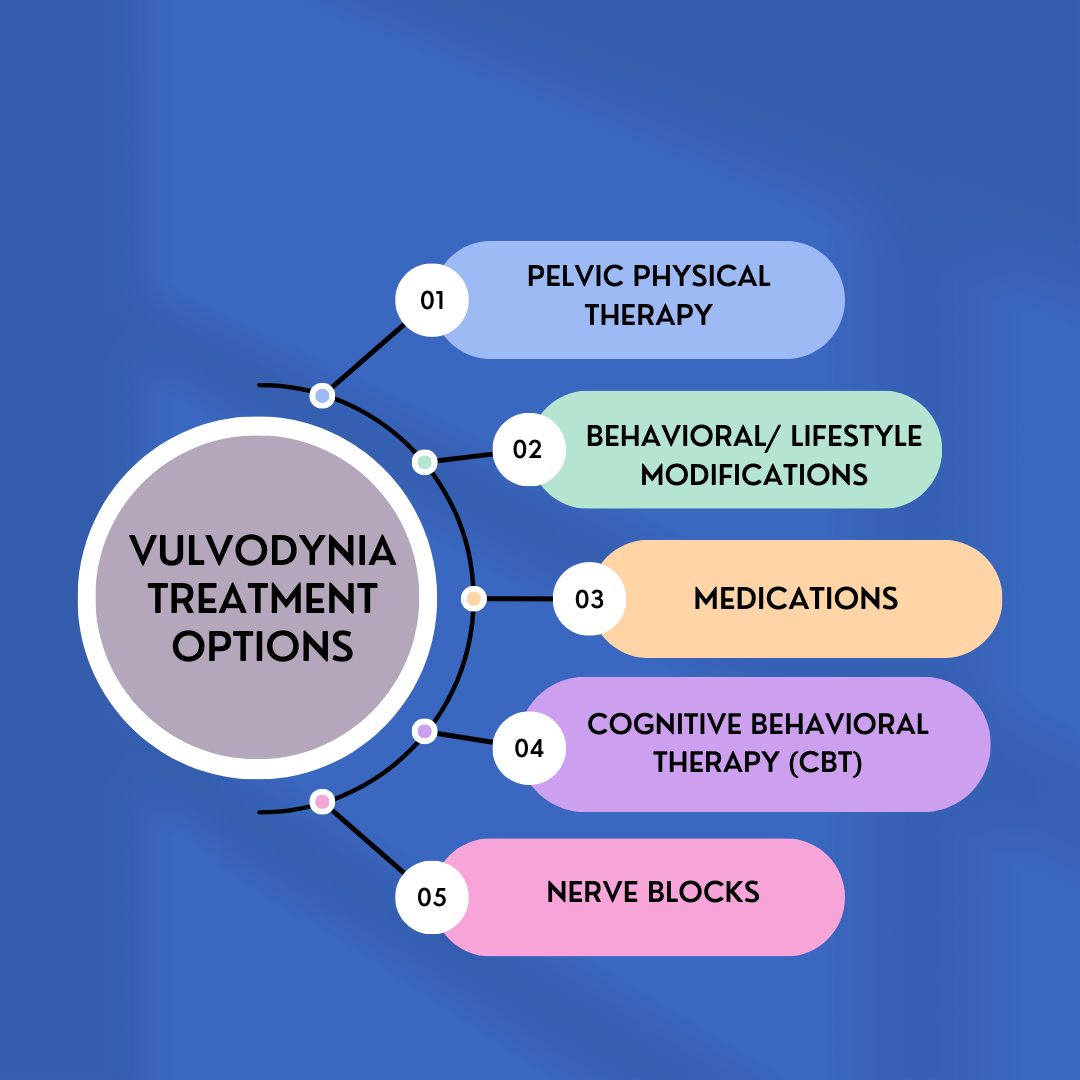
If vitamin D is introduced, it should usually coexist with other evidence-informed approaches. Chronic pelvic pain plans often include pelvic floor physical therapy, strategies for desensitization, attention to vulvar skin care, and sometimes neuropathic pain medications when indicated. Behavioral interventions can also help—especially those that reduce fear-avoidance loops and improve pain coping.
Think of vitamin D as one instrument in an ensemble. Pelvic floor relaxation techniques might change mechanical stress; topical barrier support might improve local comfort; neuromodulation might reduce nerve hypersensitivity. Vitamin D may contribute to the inflammatory and tissue-support “chords” underneath it all.
The best results typically appear when the plan is integrated rather than piecemeal.
What Progress Can Look Like
Improvement doesn’t always arrive as a dramatic transformation. Sometimes it’s smaller: less burning after irritation, reduced flare frequency, improved tolerance to pressure, or a slight shift in sensitivity. Sometimes it’s more complex: pain fluctuates, and “good days” return in cycles.
Keeping a symptom diary can be surprisingly clarifying. Short entries—what you ate, sleep quality, activity level, stress, symptoms rated from mild to intense—can reveal patterns that treatment can target.
Progress, even partial, can restore agency. And chronic pain often steals agency first.
When to Seek Specialized Care
Because vulvodynia and chronic pelvic pain can have multiple contributing causes, specialized evaluation can be essential. Seek care if symptoms persist, worsen, interfere with daily life, or remain unexplained after initial assessments. Specialized clinicians can help distinguish neuropathic patterns from inflammatory dermatoses, pelvic floor involvement, hormonal influences, and other contributors.
If vitamin D testing is considered, it can be part of that broader evaluation—not a substitute for it.
A Final, Playfully Serious Question
So—can vitamin D help with vulvodynia and chronic pelvic pain? For some people, addressing low vitamin D may reduce inflammation, support tissue health, and potentially influence pain pathways. But it rarely acts alone. The real victory is not believing in a single remedy; it’s building a coherent, respectful, evidence-informed plan that acknowledges complexity.
Here’s the question to take forward: if you’ve struggled with chronic pelvic pain, could vitamin D status be an adjustable variable worth testing—alongside pelvic floor care, symptom management, and targeted treatment?