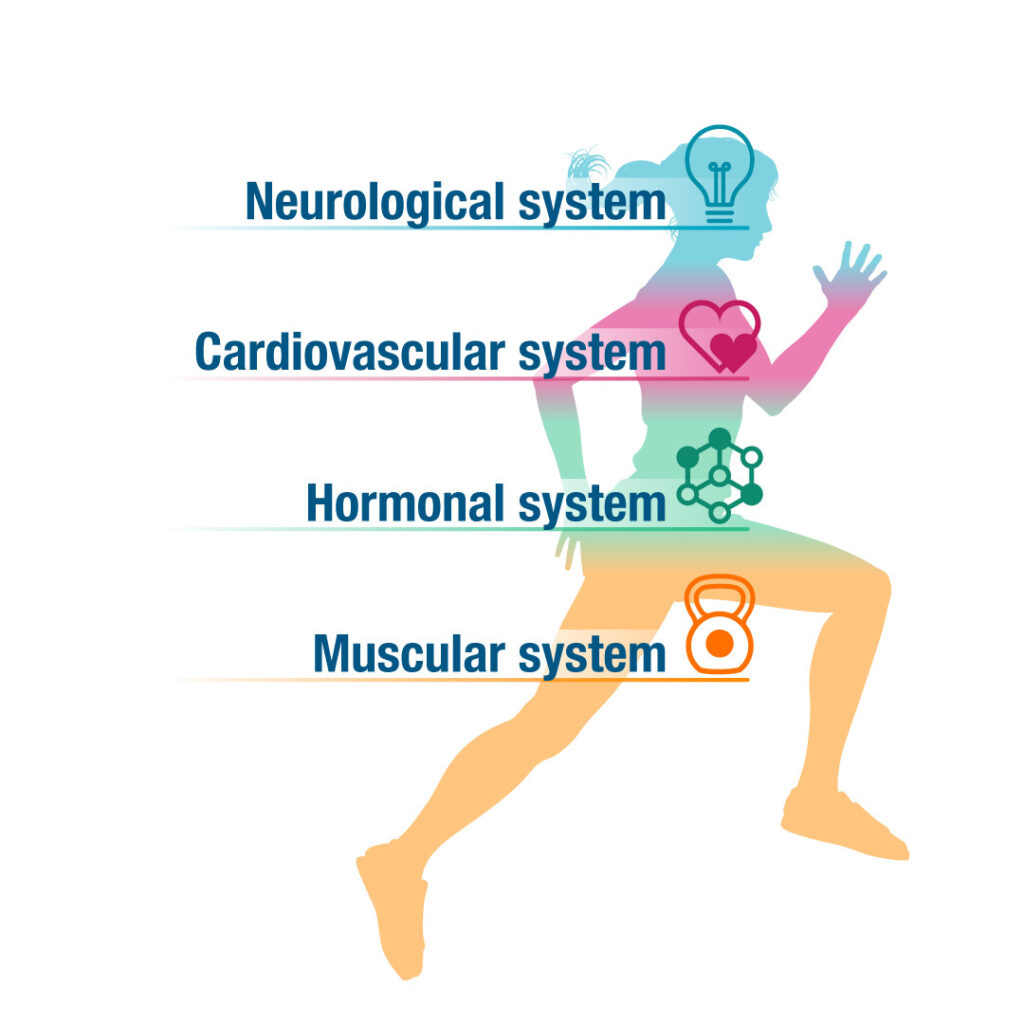
In the athlete’s body, muscle is never a statue—it’s a living workshop. Every stride, lift, and sprint is both a request and a payment: the body breaks down structures, then rebuilds them with meticulous urgency. When training volume rises, this remodeling becomes a constant negotiation between demolition crews and construction teams. That’s where higher protein doses often enter the conversation—not as an indulgence, but as a strategic supply chain for muscle turnover.
Muscle Turnover: The Body’s Ongoing “Renovation Cycle”
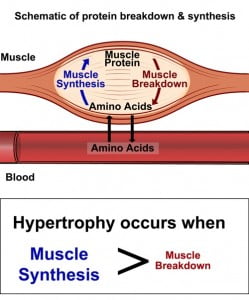
Think of skeletal muscle like a high-performance city district. Roads (muscle fibers) endure traffic, bridges (connective tissues) undergo stress, and buildings (proteins) eventually show wear. After training, the body doesn’t simply “recover” in a vague way. It runs a scheduled renovation cycle: synthesis builds new components while degradation clears damaged ones.
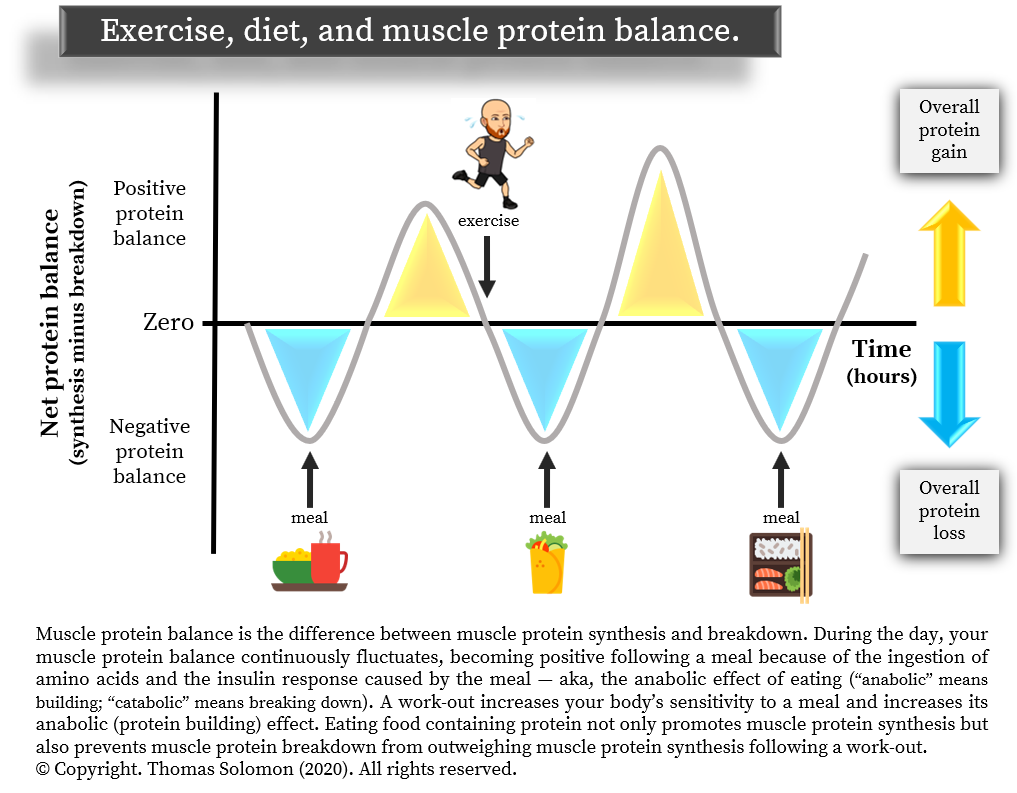
When training intensity and frequency escalate, the renovation cycle accelerates. This can increase the need for building materials—amino acids—because the construction phase has more to address. Higher protein intake can function like an abundant warehouse of raw supplies, helping ensure the remodeling doesn’t stall. Without enough materials, the body may still recover, but the efficiency can drop. The result may look like slower adaptation, stubborn soreness, or a plateau that feels inexplicably stubborn.
In other words, higher doses can become less about “more is better” and more about “enough is necessary,” especially when the body is repeatedly entering a high-demand state.
The “Construction Crew” Metaphor: Matching Demand With Protein Supply
Imagine muscle tissue as a construction site. Training is the moment workers tear down sections of the structure to reinforce it. After the workout, the same crew switches from demolition mode to building mode—yet they can’t construct a new framework with empty hands.
A higher protein dose can help ensure that the crew receives amino acid “tooling” at the right time and in sufficient quantity. This matters because muscle protein synthesis is not a magical switch that flips instantly. It’s more like a dimmer controlled by available substrates, hormonal signals, and the readiness of muscle fibers to rebuild.
When doses are too low—especially during phases of heavy training, caloric restriction, or high fatigue—the crew may start building, then pause. The project continues later, but the timeline shifts. Athletes often feel this delay as a lingering inability to bounce back, even when sleep is adequate.
Why Hard Training Often Requires More Than “Baseline Protein”
Baseline protein recommendations are useful, but athletes live in a different ecosystem. Endurance athletes rack up repetitive mechanical stress. Strength athletes accumulate microtrauma with progressive loading. Team-sport athletes combine bursts of high-intensity effort with constant changes in direction and physical contact.
Each training style creates a distinct remodeling signature. Still, the shared theme is elevated turnover demand. Higher doses become more relevant when athletes experience frequent training sessions, short recovery windows, or a buildup of cumulative stress.
During weeks where sessions stack—like block training, tapering, or tournament weeks—muscle turnover can remain elevated day after day. In that context, distributing protein across the day and using higher amounts can help match the body’s ongoing rebuilding needs.
Post-Exercise Nutrition: The “Time-Window Bridge”
After training, the body enters a transitional state—brief, but influential. Picture the body as a city railway system that must keep trains running on schedule. The post-exercise window can be a bridge that connects muscle damage signals to actual reconstruction.
Protein consumed around this time can increase the availability of amino acids when the rebuilding process is most responsive. This doesn’t mean protein is only useful immediately after training. Rather, it emphasizes that the body’s “receptivity” can be higher during periods surrounding exercise.
Some athletes notice that strategic intake reduces soreness and improves next-session performance. That doesn’t necessarily mean they “feel better because of a shake.” It can also reflect better substrate availability for repair and adaptation, allowing muscle to transition smoothly into the next training day.
Muscle Turnover Under Calorie Deficits: When “Maintenance” Isn’t Enough
Another reason athletes may need higher doses emerges when they diet. During weight loss, the body may experience less overall energy availability, and the rebuilding process competes with survival priorities. In a deficit, muscle protein balance can tilt unfavorably if protein intake is insufficient.
Higher doses can serve as a protective buffer. They don’t negate the need for a sensible deficit or adequate training. But they can help preserve the remodeling machinery, supporting lean mass retention while allowing fat loss to proceed.
Athletes often describe this phase as mentally demanding—hunger, fatigue, and sluggish recovery. Protein intake can become an anchor point in the plan, a controllable variable that supports the body’s construction crew when energy logistics are tight.
Recovery Speed, Training Volume, and the Risk of Adaptation Debt
When athletes train frequently, recovery becomes less like a single event and more like an ongoing debt system. If each workout damages tissue, but the body doesn’t rebuild thoroughly enough between sessions, adaptation debt accumulates.
Higher protein dosing can help reduce that debt by supporting a more complete rebuilding process. This doesn’t guarantee immunity to fatigue. Life is not that tidy. But the likelihood of returning to baseline more effectively can improve.
Consider the athlete who increases training volume and suddenly loses momentum. Often, nutrition is the silent suspect. Protein—especially when spaced well across meals—can help restore the tempo of repair, so the next training stimulus lands on a body ready to adapt rather than merely to endure.

Distribution Matters: Doses Are More Than Total Daily Amount
It’s easy to assume one large dose is equivalent to multiple smaller ones. But muscle protein synthesis behaves more like a series of ignition attempts than a single fireworks display. Spreading intake can create more frequent opportunities to stimulate rebuilding.
Many athletes benefit from dividing protein across the day—commonly through meals and post-exercise intake—so that amino acids remain available when muscle signaling is active. This approach can feel like maintaining multiple “checkpoints” for construction rather than waiting for one final delivery.
Distribution becomes particularly relevant for athletes who train in the morning, have long intervals between meals, or struggle with appetite. Smaller, well-timed protein servings can be easier to execute consistently, and consistency is often more powerful than theoretical perfection.
Choosing Sources: Whole Foods, Timing, and Digestive Harmony
Protein quality includes more than amino acid content. The body also experiences differences in digestibility, leucine availability, and overall meal composition. Whole foods can provide micronutrients and energy that support recovery processes. Lean meats, dairy, legumes, and soy-based options each bring unique profiles.
Digestive comfort is also a performance variable. Some athletes find that extremely high doses in one sitting cause discomfort, bloating, or sluggish training. In those cases, higher total daily intake still may be beneficial, but splitting it into tolerable increments can preserve both performance and adherence.
The goal is not to chase novelty. It’s to build a rhythm the body can sustain—the kind of nutrition routine that athletes can follow during the busiest training weeks without negotiating with appetite every day.
Practical Limits and Individual Variation: The “Lock and Key” Reality
While higher doses can be compelling, physiology is personal. Body size, training status, age, total calories, and carbohydrate intake all influence how the body responds to protein. Some athletes achieve remarkable results with modest increases. Others require more to offset greater turnover demands.
There are also practical boundaries. Excessive intake can displace carbohydrates and fats—nutrients that support training intensity, hormonal function, and energy availability. The best strategy is often the one that supports performance first and protein goals second, but with enough protein to keep the construction crew supplied.
For many athletes, the winning pattern is intentional: increase protein thoughtfully, distribute it across the day, and evaluate outcomes in recovery, body composition, and training progression. If the body adapts smoothly, the strategy is likely on target.
The Unique Appeal: Higher Doses as a Signal of Commitment
At the deepest level, higher protein dosing is not just biochemical. It’s psychological commitment translated into measurable inputs. Athletes who prioritize protein tend to be athletes who treat recovery as training. They understand that adaptation is built during the quiet hours, not only in the spotlight.
Higher doses can become a subtle promise: the body will receive the materials it needs to rebuild stronger. When training demands rise, that promise grows more urgent. The renovation cycle speeds up, and the warehouse must stay stocked.
In the end, muscle turnover is the athlete’s hidden engine. Higher protein intake may not make effort effortless, but it can make the engine respond—faster, cleaner, and with more consistency—so the next workout feels less like a battle for survival and more like a continuation of progress.