Muscles are the body’s quietly disciplined workforce—powering every step, every reach, every subtle adjustment of posture. Yet for some people, statins can feel like an invisible storm moving through that workforce, leaving behind a peculiar ache: tenderness, weakness, stiffness, and sometimes a sense of heaviness that lingers. In this story, vitamin D often plays the role of an unheralded regulator—less a headline character, more the backstage conductor ensuring the orchestra of muscle function stays in tune.
Statins and the “muscle fog” phenomenon
Statins are designed to lower cholesterol and reduce cardiovascular risk, but the human body rarely follows a script perfectly. In a subset of individuals, statins are associated with muscle-related symptoms—collectively described as statin-associated muscle symptoms (SAMS). The experience can be maddeningly variable. One day the legs feel ordinary; the next, climbing stairs resembles a negotiation with gravity.
Some people notice symmetrical discomfort—both thighs or both calves—while others report broader musculoskeletal unease. The pain may be accompanied by reduced strength, or a diffuse fatigue that makes familiar movements feel newly effortful. Even when these symptoms do not escalate into severe injury, the lived impact can be significant: missed workouts, disrupted sleep, and an ongoing concern that the medication is “breaking” something essential.
Metaphor helps here: imagine statins as a tuning fork for lipid metabolism. For most listeners, the sound is clean and beneficial. But for a few, the vibration travels differently—through pathways that intersect with energy production, inflammation signaling, and the muscle’s own cellular maintenance routines. The result can be a kind of muscle fog: not always dramatic enough to be obvious, yet unmistakably disruptive.
The biological crossroads: energy, inflammation, and muscle integrity
Muscle cells are energy-hungry, precision-machined systems. Statins may influence the cellular environment in ways that matter to muscle performance. One proposed mechanism involves changes in mitochondrial function and energy availability. Mitochondria are the muscle’s power stations; when they operate less efficiently, the body may compensate—sometimes by generating symptoms that feel like soreness or weakness.
Inflammation is another potential thread. Even subtle inflammatory shifts can sensitize nerve endings and increase perceived pain. Additionally, there may be interference with the pathways that help protect muscle proteins from stress. Think of muscle integrity as a castle wall. Statins can be likened to builders working on one part of the city. Usually they strengthen the system, but in some cases, unintended scaffolding influences other structures—leaving walls temporarily less resilient under physical stress.
There is also variability in susceptibility. Genetics, activity level, age, and medication combinations can influence the likelihood and intensity of symptoms. The same dose can feel tolerable for one person and challenging for another, as if each body has its own threshold for alarm.
Where vitamin D enters: the “soil” beneath the muscle “roots”
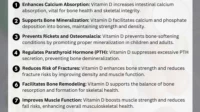
Vitamin D is frequently discussed in the context of bones, but its influence extends deeper—into muscle metabolism, neuromuscular function, and immune modulation. Vitamin D acts like nutrient-rich soil for muscle roots. Without adequate vitamin D, muscles may struggle to harvest the energy and signaling they require for smooth contraction and coordinated movement.
When vitamin D status is low, muscle function can become less stable. That instability may reduce resilience against additional stressors, including medication effects. In this way, vitamin D may not be the sole villain in the statin story; rather, it can be a hidden moderator—one that changes the terrain on which muscle symptoms develop.
Intriguingly, vitamin D also interacts with inflammation-related processes. A body with insufficient vitamin D may be more prone to heightened inflammatory signaling, which can amplify pain perception and impair recovery after exertion. The sensation can feel disproportionate to activity—like a drum that rings louder than it should.
Vitamin D insufficiency and the pattern of symptoms
Muscle complaints do not always correlate neatly with statin dose or timing, which makes the role of vitamin D particularly compelling. If vitamin D insufficiency is present, muscles may already be running with a reduced margin of performance. Then, when statins alter cellular pathways, symptoms may emerge more readily.
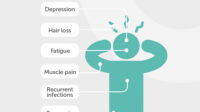
Common patterns may include generalized aching, proximal muscle discomfort (often shoulders and thighs), and a sense of persistent soreness that does not resolve quickly after rest. Some people describe cramps or stiffness, others report weakness that creeps in during tasks requiring sustained effort.
However, not everyone with low vitamin D experiences SAMS, and not every person with SAMS has vitamin D deficiency. Biology rarely offers simple cause-and-effect. Instead, vitamin D likely contributes to a probability landscape: it may raise or lower the odds that muscle discomfort becomes noticeable once statins are introduced.
Testing and tailoring: checking levels, not just assumptions
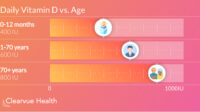
A thoughtful approach begins with measurement. Vitamin D status can be assessed through blood testing, and it is often wise to review broader context—dietary intake, sun exposure, body mass index, and coexisting conditions. This is not about replacing statin therapy with supplements, but about improving the overall biochemical “weather” in which muscles operate.
If vitamin D is low, correcting it may support muscle function and potentially reduce symptom severity. Yet the timing matters, too. Muscular recovery is not instantaneous; it’s a renovation process. A person may need weeks of adjustment before noticing improvement.
There is also the question of how vitamin D correction interacts with other risk factors. For example, concurrent medications can increase statin exposure in the body, potentially intensifying muscle effects. In such cases, vitamin D might be an important supporting actor, but the lead role could still be dosage strategy and medication review.
Risk factors that amplify the muscle story
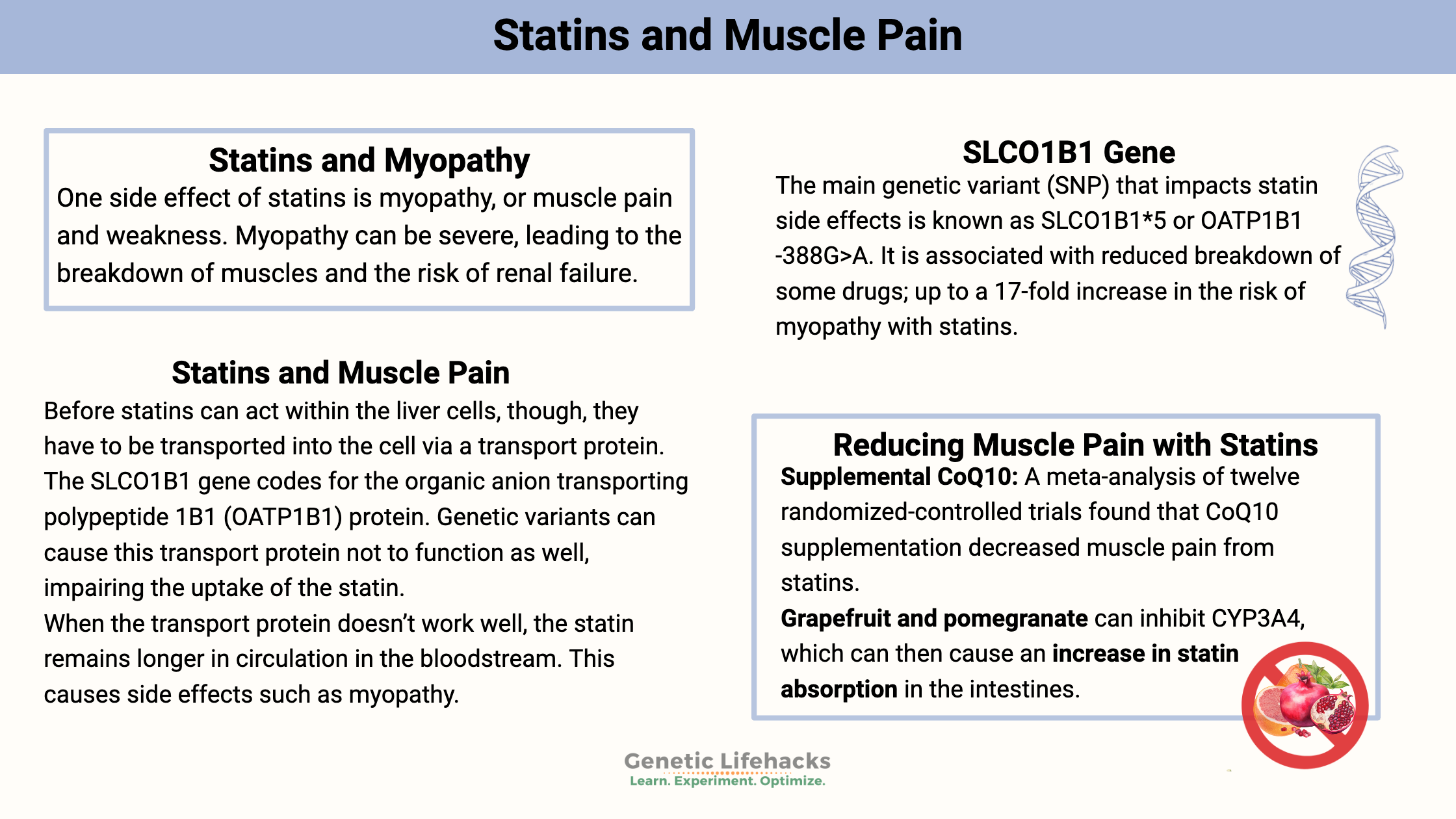
Statin-related muscle symptoms are often described as multifactorial. Age can reduce muscle recovery capacity. Higher statin doses can raise exposure. Certain drug combinations can increase statin levels by affecting metabolism and transport pathways in the liver and gut.
Lifestyle and physiology also matter. Intense exercise—especially when suddenly increased—can stress muscles already susceptible to irritation. Alcohol consumption, thyroid disorders, renal impairment, and prior history of muscle issues can tilt the balance further toward symptoms.
In this tangled web, vitamin D may function as a stabilizer. If muscles are functioning on adequate nutrient availability, they may withstand minor disruptions more effectively. If nutrient availability is low, the same disruption may feel louder, longer, and more debilitating.
Strategies beyond supplementation: a choreography of adjustments
When muscle symptoms arise, management is rarely a single-step solution. Clinicians may consider temporary discontinuation, dose reduction, switching to a different statin, or adjusting the dosing schedule. Each option is a different choreography—aiming to preserve cardiovascular protection while minimizing muscle strain.
Resistance training and gradual conditioning can support muscle resilience, but the progression should be cautious. Abrupt intensity spikes can worsen discomfort. Hydration, sleep quality, and nutrition also shape recovery—muscle tissue behaves like a living ledger, keeping track of stress and repair.
Vitamin D supplementation, when indicated, can complement these actions. But it works best as part of an integrated plan: medication optimization plus nutritional reinforcement. The goal is not only symptom reduction, but restoration of trust in movement.
How to recognize red flags and when to seek urgent care
Most muscle symptoms are mild to moderate, yet it is important to recognize boundaries. Severe muscle pain, dark or cola-colored urine, marked weakness, fever, or rapidly worsening symptoms may indicate a more serious reaction. These signs warrant immediate medical evaluation.
The muscle story should never be ignored when it crosses from discomfort into danger. In that moment, the “castle wall” needs urgent assessment, not continued self-management.
Illustrating the connection: a metaphor made visible
Consider muscles as a theater troupe performing nightly. Statins may change the stage lighting for some actors. Vitamin D, in contrast, is the rehearsal space—affecting how confidently performers practice and recover. When rehearsal space is well maintained, performers can adapt to lighting changes. When rehearsal space is underfunded, the same lighting shift can cause visible fatigue and missed cues.
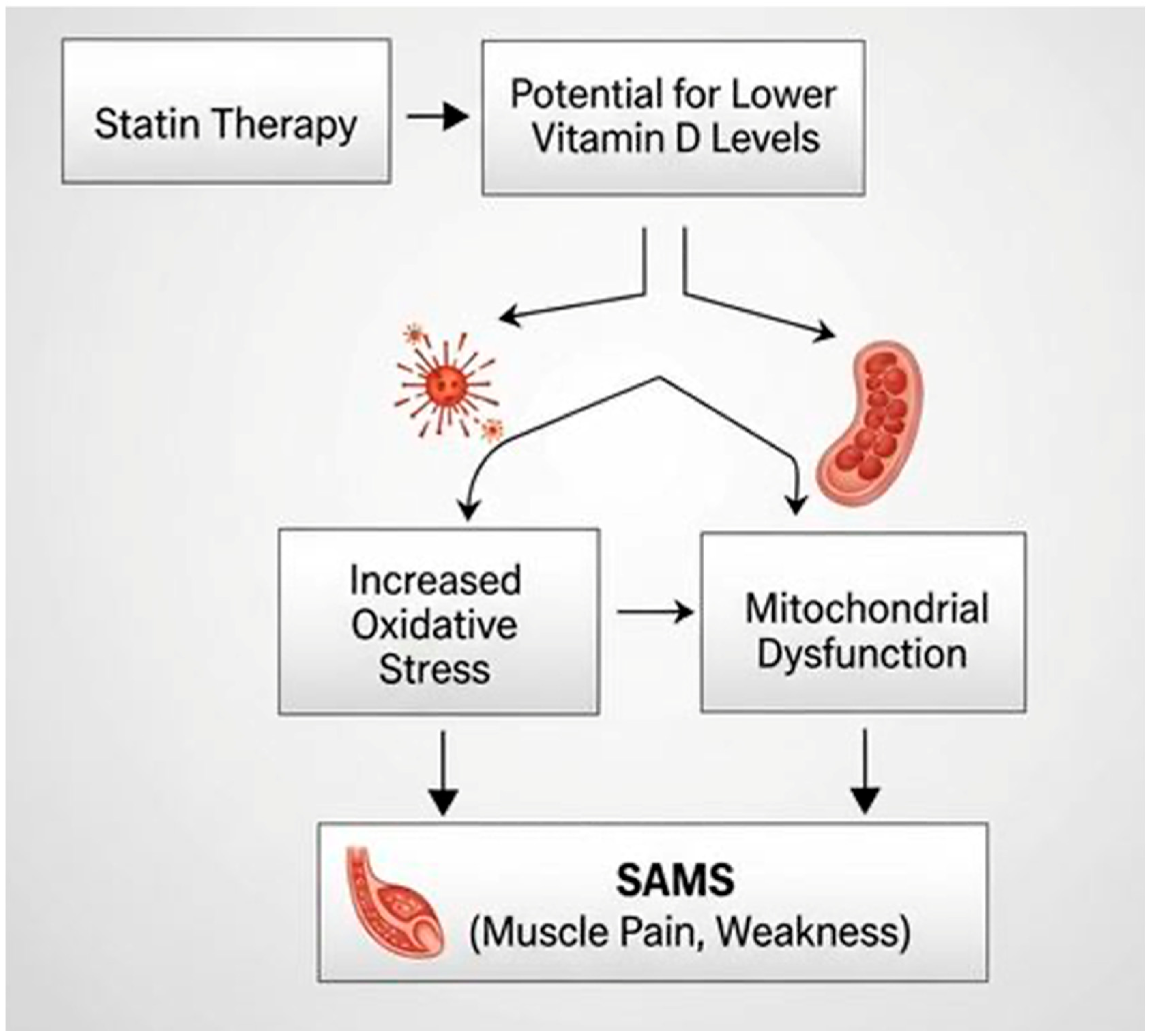
This visual idea captures the essence: muscle symptoms are often not a solo performance. They emerge from interactions between medications, physiology, and nutritional context.
A nuanced conclusion: vitamin D as moderator, not myth
The link between statins and muscle pain is not a simple binary equation. It’s a network of biochemical influences, personal susceptibility, and lifestyle factors that converge within muscle tissue. Vitamin D’s role is compelling because it addresses the terrain—supporting neuromuscular coordination, modulating inflammation, and helping muscle cells maintain steadiness.
For people experiencing muscle symptoms while on statins, focusing on vitamin D status can be a pragmatic, constructive step. Yet it should be handled with clarity and care: supplementation should align with measured needs and coordinated clinical management.
Ultimately, the most intriguing appeal of this connection is its practicality. It offers a bridge between uncertainty and action—one that respects both the complexity of biology and the human need for movement that feels safe, strong, and steady.