There’s a peculiar kind of fatigue that doesn’t feel like illness—more like a dimming of the inner lights. For many office workers, that dimming arrives gradually: a little stiffness in the morning, a slightly lower mood by late afternoon, the sense that sleep never fully “lands.” Then, almost quietly, the body starts whispering about something fundamental: vitamin D. When sunlight becomes a rare visitor, vitamin D deficiency can follow, and the symptoms may masquerade as everyday stress, sedentary habits, or simple aging. The twist is that the pattern is often more recognizable than people expect—once the perspective shifts.
Why Office Life Can Quietly Cut Off Sunlight
Office workers live in a world designed to minimize exposure: glass walls that reflect rather than nourish, fluorescent lighting that comforts the eye but not the skin, and schedules that keep most daylight outside. Even when you “go outside,” time matters. Vitamin D synthesis depends on the skin receiving adequate ultraviolet B (UVB) radiation. A quick walk between meetings can be a courtesy gesture to the sun—yet not enough to meaningfully raise vitamin D levels.
Seasonal changes intensify the issue. In winter, UVB rays are weaker, and in higher latitudes, the window for effective synthesis shrinks. Meanwhile, cultural factors—like clothing choices, sunscreen habits, and indoor leisure—can further reduce UVB contact. The result is a slow depletion that may go unnoticed, because the body can compensate for a while. Then, symptoms begin to surface like subtitles you didn’t realize were already on the screen.

The Body’s Early Signals: Subtle Yet Persistent
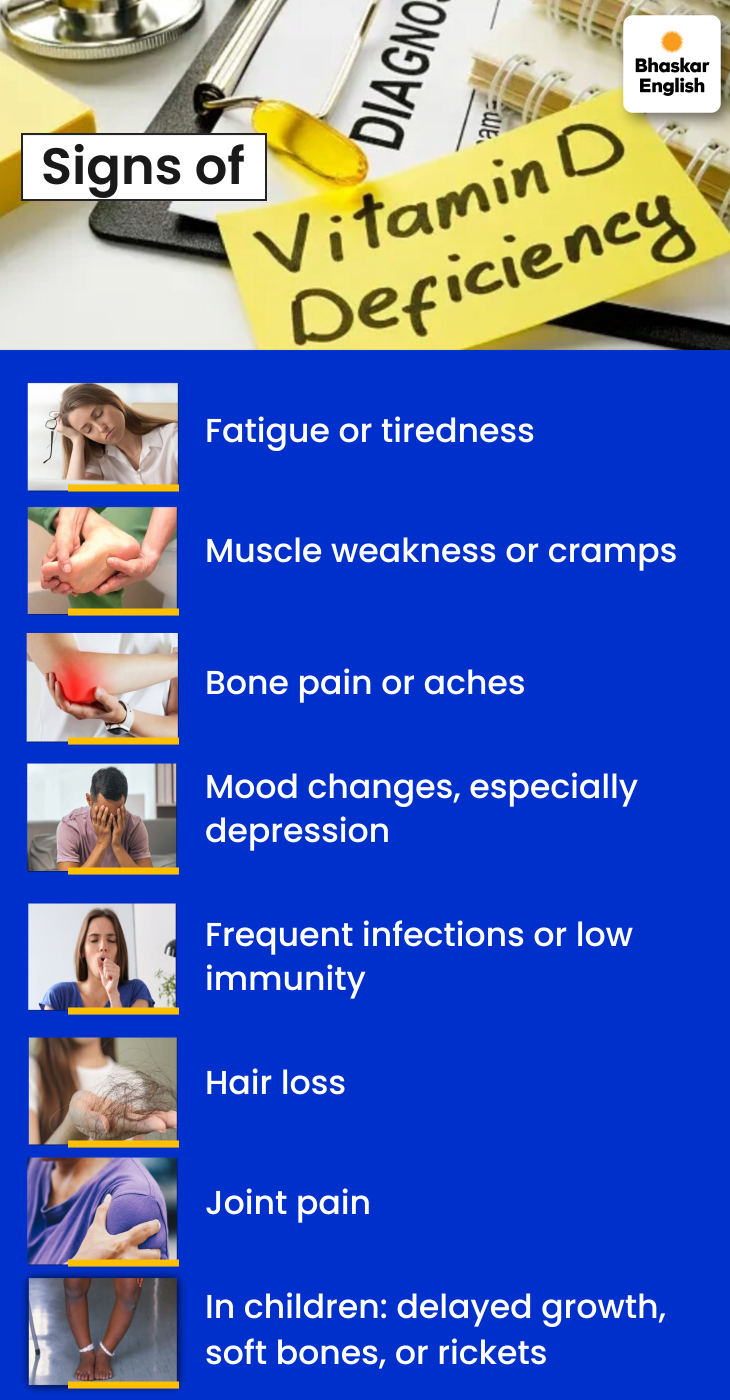
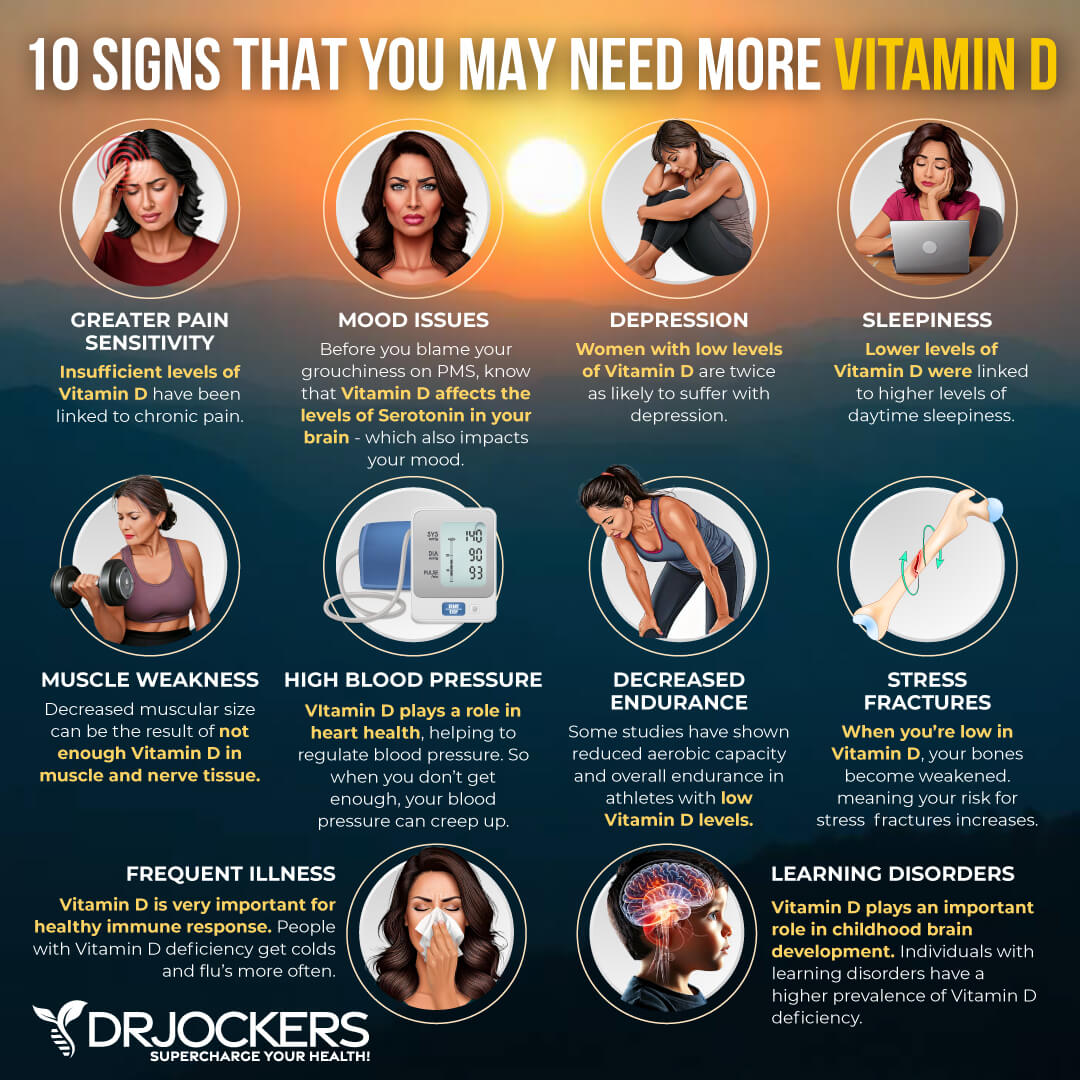
Vitamin D deficiency is notorious for its camouflage. Early symptoms can feel too generic to link to a single cause. You might notice a persistent sense of weariness, as if your energy stores are always slightly depleted. Sleep may become restless—not necessarily shorter, but less restorative. People often describe a “brain fog” quality: concentration wobbles, and decisions take longer than usual.
Then come the musculoskeletal hints. Morning stiffness can appear, especially in the back, hips, or knees. Some experience muscle aches that seem to move around—one day shoulders, another day calves—like a polite, wandering ache rather than sharp pain. The key is persistence. Random discomfort is normal; a recurring pattern is a clue worth interrogating.
It’s worth noting that deficiency doesn’t always produce dramatic symptoms. Sometimes it produces a chronic low-grade feeling: less vibrancy, less resilience, less ability to bounce back. That emotional tone matters. Long before laboratory tests, your body may be signaling that it wants vitamin D back in the conversation.
Mood, Motivation, and the “Low-Grade Blues” Effect
Sunlight influences more than vitamin production; it shapes perception and nervous system tone. When vitamin D falls, some office workers report changes in mood that are easy to blame on workload. Irritability can creep in. Anxiety can feel oddly amplified. Motivation may feel blunted, as if the mind is running at a reduced voltage.
Depressive symptoms—particularly seasonal or winter-worsened mood—may correlate with low vitamin D. The relationship is not always perfectly linear, and individual biology matters. Still, a growing number of people find that their emotional steadiness mirrors their sun exposure. When the sky is bright, they feel more “connected.” When it’s gray, they feel heavier.
Try this thought experiment: what if your mind isn’t only responding to stress, but also to a biochemical rhythm disrupted by indoor living? That shift in perspective turns the question from “Why am I like this?” to “What’s missing that my body depends on?” Curiosity becomes fuel.
Immune System Drift: When You Seem to Catch Everything
Office environments can be germ hubs, but vitamin D can influence immune regulation—helping the body manage inflammatory responses more gracefully. When levels are low, some people notice increased susceptibility to infections: more frequent colds, longer recovery times, or a tendency for illnesses to linger.
It can also show up as an “always inflamed” feeling. Frequent sore throats, lingering fatigue after viral illnesses, or slow return to baseline energy may be part of the pattern. Of course, vitamin D is not a magic shield, and good hygiene still matters. Yet deficiency can tip the balance.
Imagine your immune system as a well-trained orchestra. Sunlight deprivation doesn’t silence the instruments, but it may affect timing. Symptoms then become the audible consequences of that subtle misalignment.
Bone and Muscle Clues: Stiffness, Weakness, and Discomfort
Vitamin D helps the body absorb calcium and maintain bone mineralization. For office workers, who already spend long hours seated, the interplay can be particularly noticeable. The body becomes less dynamic. Muscles remain underused. Over time, stiffness can settle into routines.
With deficiency, bones and muscles may feel less supported. Some people describe weakness—difficulty climbing stairs, a heavier sensation when standing up, or reduced tolerance for exercise. Others notice persistent low-level discomfort in areas that seem unrelated to training: joints that feel temperamental, aching ligaments, or a persistent back ache that refuses to stay parked.
Because these symptoms overlap with lifestyle factors—posture, inactivity, stress—the connection to vitamin D can be overlooked. But when discomfort repeatedly appears in a pattern and improves with increased sunlight or appropriate supplementation (under guidance), the puzzle pieces begin to fit.
Fatigue and Brain Fog: The Cognitive Dimming
Vitamin D deficiency may affect neurological function and general metabolic energy. Office workers often experience fatigue as a constant background hum—sleepiness after lunch, difficulty focusing during late-day tasks, or an inability to sustain mental effort. Brain fog can arrive like static on a screen: the information is there, but it’s harder to process.
People may interpret it as burnout. Burnout is real, but vitamin D deficiency can masquerade as it. A day with enough light can feel easier; a week indoors can feel harder. The body’s response to diminished sunlight might influence circadian rhythm signaling and overall vitality.
Here’s the curious part: if you’ve been pushing through fatigue without truly recovering, a biochemical shortfall may be the quiet culprit. A symptom-driven mindset can turn into a clue-driven one—where each day provides data, not just frustration.
Who Is Most at Risk (and Why Office Workers Fit the Pattern)
Not all office workers share the same risk, but several common factors stack the odds. Darker skin contains more melanin, which can reduce vitamin D synthesis from UVB. People who live in northern regions or countries with long winters may have fewer UVB opportunities. Those who consistently work indoors, avoid midday sun, or follow strict sunscreen routines without balancing adequate UVB exposure may be more likely to fall short.
Body weight also plays a role. Vitamin D is fat-soluble, and in individuals with higher body fat, vitamin D can be sequestered in a way that lowers circulating levels. Dietary patterns matter too—if vitamin D-rich foods are rare, the deficiency risk climbs.
Then there are physiological and medical contributors: malabsorption disorders, certain medications, and liver or kidney conditions can interfere with vitamin D metabolism. The office environment may be the trigger for many people, but the underlying “handling” of vitamin D varies by individual.
How Deficiency Is Confirmed: The Test That Cuts Through Guesswork
Symptoms alone are a persuasive narrative, but they’re not proof. The surest way to clarify vitamin D status is a blood test that measures 25-hydroxyvitamin D. This marker reflects the body’s vitamin D stores more reliably than guessing based on how you feel.
If results show deficiency or insufficiency, the next step is personalization: your clinician can interpret the level alongside symptoms, risk factors, and overall health. Some people need higher-dose replenishment initially, followed by maintenance. Others require a slower, steady approach—especially if they’re starting from very low levels.
That moment of confirmation can be emotionally relieving. Uncertainty drains energy. Clarity restores it. Suddenly, the “mystery fatigue” becomes a solvable problem rather than a lifelong character trait.
What Helps: Sunlight, Food, and Thoughtful Supplementation
Sunlight can be a powerful ally, but it should be approached intelligently. Short, regular exposures can be more effective than occasional long sessions, depending on skin type and climate. Still, skin safety matters. Sunburn is never the goal. Aim for gentle consistency rather than extremes.
Food contributes, but it’s often insufficient by itself for many office workers. Fatty fish, fortified dairy or plant milks, egg yolks, and certain mushrooms exposed to UV light can help. Even then, dietary vitamin D may not fully compensate for minimal UVB exposure.
Supplementation can bridge the gap, particularly in winter or for those who rarely receive sunlight. Dosing should be guided by test results and medical advice. Taking too much vitamin D without oversight can be harmful, so the wise strategy is measured, not maximal.
This is where curiosity becomes action. You can shift from passive suffering to an intentional plan—one that includes testing, lifestyle adjustments, and safe supplementation when appropriate.
When to Seek Medical Attention (Don’t Wait for the “Worst Day”)
Most people with deficiency can improve with appropriate management, but certain scenarios deserve prompt attention. If you experience severe bone pain, frequent falls, profound muscle weakness, or symptoms that escalate rapidly, a clinician should evaluate you. Likewise, if you have known conditions that affect absorption or metabolism, waiting can be unwise.
Also consider the pattern: if fatigue, mood changes, and musculoskeletal discomfort persist despite rest and reasonable lifestyle adjustments, it’s reasonable to investigate vitamin D status rather than endlessly reinterpret your symptoms as stress.
The body is not dramatic for fun. When several systems start speaking the same language—energy, mood, immunity, muscles—it’s often worth listening closely.
A Shift in Perspective: From Indoor Exile to Sun-Informed Living
Office life doesn’t have to mean biochemical deprivation. But the perspective has to change. Instead of viewing sunlight as a luxury or a seasonal treat, consider it a routine input—like hydration, sleep, or movement. You don’t need to become a sun worshipper. You need a strategy.
Step outside during breaks when possible, especially around midday. Arrange your workspace to catch natural light when feasible. Take walking meetings in daylight. Make small shifts that add up—quietly, consistently, and without drama.
Then let the pattern guide the next step: test, adjust, observe. That approach transforms symptoms from a haunting into a map. And for many office workers, the map leads toward steadier energy, calmer mood, stronger muscles, and a body that feels—at last—well-lit from within.