For many men, “bone health” is the kind of phrase that feels distant—until it isn’t. One season you’re picking up groceries without thinking. The next, you notice stiffness that lingers, height that seems to quietly slip away, or aches that arrive after ordinary exertion. Vitamin D is often discussed in broad strokes, yet its role in skeletal integrity is anything but vague. It operates like a behind-the-scenes architect: helping the body absorb calcium, supporting bone remodeling, and influencing muscle function that steadies balance. If you’re a man over 50, vitamin D isn’t merely a supplement idea—it’s a cornerstone for long-term structural resilience.
Vitamin D and the Calcium “Absorption Conveyor”
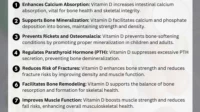
Bone is not inert storage. It is constantly being remodeled through a coordinated exchange between bone-building cells and bone-resorbing cells. Vitamin D supports this process primarily by enabling your intestines to absorb calcium more efficiently. Without adequate vitamin D status, calcium absorption can become suboptimal, even if you consume plenty of calcium through food.
Think of calcium as building material and vitamin D as the logistics team. Calcium may be present, but if the logistics are inefficient, the materials don’t reach their intended construction sites—especially in times when the remodeling cycle demands precision. Over decades, that mismatch can tilt the balance toward weaker bone microarchitecture.
Why Aging Changes Vitamin D Needs
As men age, several biological shifts converge. Skin becomes less efficient at synthesizing vitamin D from sunlight. Meanwhile, kidney function can gradually alter the conversion steps that produce the active forms of vitamin D used in calcium regulation. Add indoor lifestyles and darker seasons, and the risk of subclinical vitamin D insufficiency increases.
Subclinical doesn’t mean harmless. It can manifest as subtle downstream effects: altered calcium handling, changes in muscle performance, and a slower path to maintaining bone density. Short-term symptoms may be muted, yet the skeletal consequences can accumulate like sediment.
Bone Density vs. Bone Quality: The Difference Vitamin D Helps Protect
When people think “strong bones,” they often picture bone density—the measurable amount of mineral content. But bones also possess quality: the organization of their internal structure, the integrity of their collagen matrix, and how well they withstand stress. Vitamin D contributes to the mineralization process that supports both density and quality.
In practical terms, this matters because fractures can occur even when density is not dramatically low. Bone quality influences how forces are distributed during a fall or a sudden twist. Vitamin D’s contribution to mineralization supports a more robust framework, potentially reducing fracture susceptibility.
Muscles, Balance, and the “Fall Equation”
Vitamin D doesn’t only concern bones. It also intersects with muscle health. When vitamin D status is inadequate, muscle function can suffer—strength may decline, and coordination can become less reliable. The outcome is often overlooked: weaker muscles contribute to a higher risk of falls, and falls are the gateway event for many fractures in older adults.
So the story becomes twofold. Vitamin D helps maintain the structural strength of bones and supports the functional systems—muscles and balance—that reduce the likelihood of impact. It’s a preventative loop: steadier movement means fewer high-risk moments, while healthier mineralization means better tolerance when impact occurs.

Signs You Might Be Low (and Why You Shouldn’t Guess Forever)
Low vitamin D often travels without dramatic warning labels. Some men experience fatigue, generalized aches, or a vague sense of reduced stamina. Others notice muscle weakness that emerges during stairs, getting up from a chair, or carrying groceries. These can overlap with other conditions, including sleep issues, inflammatory problems, or simply the wear-and-tear of aging.
The most reliable approach is objective assessment. A blood test measuring 25-hydroxyvitamin D provides clearer direction. Pairing lab results with clinical context—diet, sun exposure, medical history—helps transform uncertainty into a plan. Instead of guessing, you can aim precisely.
Food Sources: Helpful, But Often Not Enough Alone
Dietary vitamin D can contribute, but for many men over 50 it may be difficult to reach optimal levels solely through food. Fatty fish like salmon and sardines can supply meaningful amounts. Certain fortified dairy products and fortified plant-based alternatives can also help. Egg yolks contribute too, though usually in smaller quantities.
Even with a careful menu, vitamin D intake can fall short because the vitamin is relatively scarce in many everyday foods. That’s why food is the foundation, but not always the finish line.
Sunlight: Effective, Yet Complicated by Lifestyle and Skin Biology
Sunlight triggers vitamin D production in the skin. However, many real-world factors complicate this method. Time of year, latitude, cloud cover, and even the hours you spend outdoors can matter. Clothing choices and sunscreen use further reduce the skin’s ability to synthesize vitamin D.
Moreover, older skin may generate vitamin D less efficiently. That doesn’t mean sunlight is pointless; it means it may not be dependable as the sole strategy. A balanced approach—food, sensible sun exposure when appropriate, and supplementation when needed—often creates the most resilient plan.

Supplementation: Choosing Wisely and Staying Within Safe Boundaries
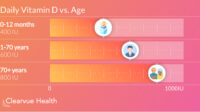
For many men, vitamin D supplements are the practical bridge between target levels and daily reality. The key is dosing that aligns with individual needs. Some men may require modest daily supplementation; others may benefit from a higher short-term approach followed by maintenance dosing.
While vitamin D is fat-soluble—meaning it can accumulate—more is not always better. Excessive dosing can lead to elevated calcium levels, which may cause adverse effects such as nausea, constipation, confusion, or kidney-related complications. That’s why medical guidance and periodic lab checks are valuable, particularly if you have kidney disease, a history of kidney stones, or conditions affecting calcium metabolism.
Use supplementation as a deliberate tool, not a casual habit. Consistency matters, but so does prudence.
Special Considerations: Weight, Medications, and Existing Health Conditions
Some body factors can influence vitamin D status. Higher body fat can sequester vitamin D, making it less available in circulation. Men with limited sun exposure, darker skin tones, or predominantly indoor routines may need more structured strategies.
Certain medications can also affect vitamin D metabolism. Long-term use of glucocorticoids, anticonvulsants, and some other therapies may alter levels. If you’re taking medications regularly, it’s worth discussing vitamin D with a clinician so your plan is compatible with your broader health architecture.
How to Build a Bone-Healthy “System,” Not a Single-Tactic Plan
Vitamin D is a central player, but bones thrive on a whole ensemble. Calcium intake supports mineral structure. Protein supports collagen and muscle maintenance. Weight-bearing exercise stimulates bone remodeling and strengthens the mechanical signals bones respond to. Resistance training reinforces the musculature that protects your gait and posture.
Even balance training can be a bone-health strategy because it reduces fall risk. In other words, vitamin D works best when paired with movement, nutrition, and attention to overall health.
What Readers Can Expect: Different Types of Content That Help You Act
To make vitamin D meaningful, content should move beyond facts and into decision-making. A thorough exploration typically includes: clear explanations of how vitamin D influences calcium and bone remodeling; practical checklists for diet and lifestyle; guidance on interpreting blood test results; and thoughtful discussions of supplementation safety.
You may also see meal-focused ideas that highlight vitamin D-rich foods and fortified options, alongside realistic sunlight strategies. Another valuable format is the “scenario lens,” where content addresses common situations—busy schedules, minimal outdoor time, or existing medical constraints—so you can translate knowledge into personal action.
Finally, look for content that connects vitamin D to muscle function and fall prevention. That linkage turns a nutrient conversation into a lifeline for independence and confidence.

Closing Perspective: Strong Bones Are an Investment in Your Next Decade
Men over 50 often carry responsibilities that don’t pause: work commitments, family logistics, and the daily choreography of living. Bone strength supports the ability to keep moving through those responsibilities with less fear of setbacks. Vitamin D helps create that foundation by supporting calcium absorption, promoting healthier bone remodeling, and reinforcing muscle performance that protects balance.
When vitamin D is addressed thoughtfully—through assessment, diet, sensible sunlight, and appropriate supplementation—you’re not chasing a trend. You’re fortifying a system. And that system is what allows your body to stay resilient as the years continue to unfold.