In a high-rise office, the sun can feel like a rumor—something spoken about in morning meetings, glimpsed through blinds, then replaced by fluorescent light and the quiet hum of ventilation. And yet, many people still ask the same question: can sunlight meaningfully lift vitamin D levels when we spend most of our days behind glass? The truth is less straightforward than the sunshine slogan on a billboard. Vitamin D from the sun is real, but in high-rise life it becomes a choreography of angle, time, skin physics, and routine. Let’s step into that choreography—carefully—like a detective following footprints across a city grid.
Sunlight in the Office: More Than Just “Getting Some Rays”
Sunlight is not a single ingredient. It’s a spectrum, and the part that matters for vitamin D production is specifically ultraviolet B (UVB). In many high-rise offices, the light you see through windows is mostly visible light and UVA, while UVB is often reduced. Glass can behave like a filter masquerading as a window. Depending on the building’s coatings and the glass type, UVB penetration may be minimal.
Even when UVB reaches you, the story doesn’t end. Your position matters. A desk five feet from a window isn’t the same as being in direct sun for a period that allows skin to synthesize vitamin D efficiently. The sun itself moves like a slow metronome across the sky, and so does your exposure—minute by minute.
Think of vitamin D synthesis as a secret handshake between UVB and the molecules in your skin. If the UVB signal is faint or blocked, the handshake never completes.
The Geometry of Exposure: Angles, Distance, and the Architecture of Light
High-rise windows are often tall, but the beam doesn’t always arrive in a useful way. Sunlight hitting glass at certain angles may be refracted, scattered, or absorbed by coatings. In addition, the distance from the window can reduce the intensity reaching your skin. You might believe you’re “getting sun,” but your body is simply receiving a bright ambience rather than the UVB component that drives vitamin D production.
Moreover, the built environment is full of optical interruptions. Nearby buildings, balconies, and overhangs can cast partial shadows that change hour by hour. A morning patch of light can disappear by lunch as the city’s steel geometry shifts.
In this setting, exposure becomes a moving target—like trying to catch a falling coin while riding an elevator.
Time Is Not a Mood: Why Short Spans Often Don’t Add Up
Vitamin D production depends on the duration of effective UVB exposure. But office life rarely offers consistent, skin-exposed intervals. Instead, you may get fragments: a few minutes of direct light when the blinds open, a brief glow during a meeting near the window, or reflections across a polished desk surface.
These fragments can feel like progress, yet the body often needs an adequate dose to create a meaningful vitamin D response. A “sunny day at work” does not automatically equal sufficient UVB exposure. It’s possible to spend hours near windows and still receive too little UVB for a robust outcome.
Time is the quiet currency here. In the marketplace of skin synthesis, a small purchase doesn’t always build a full balance.
Skin, Melanin, and the Reality of Individual Differences
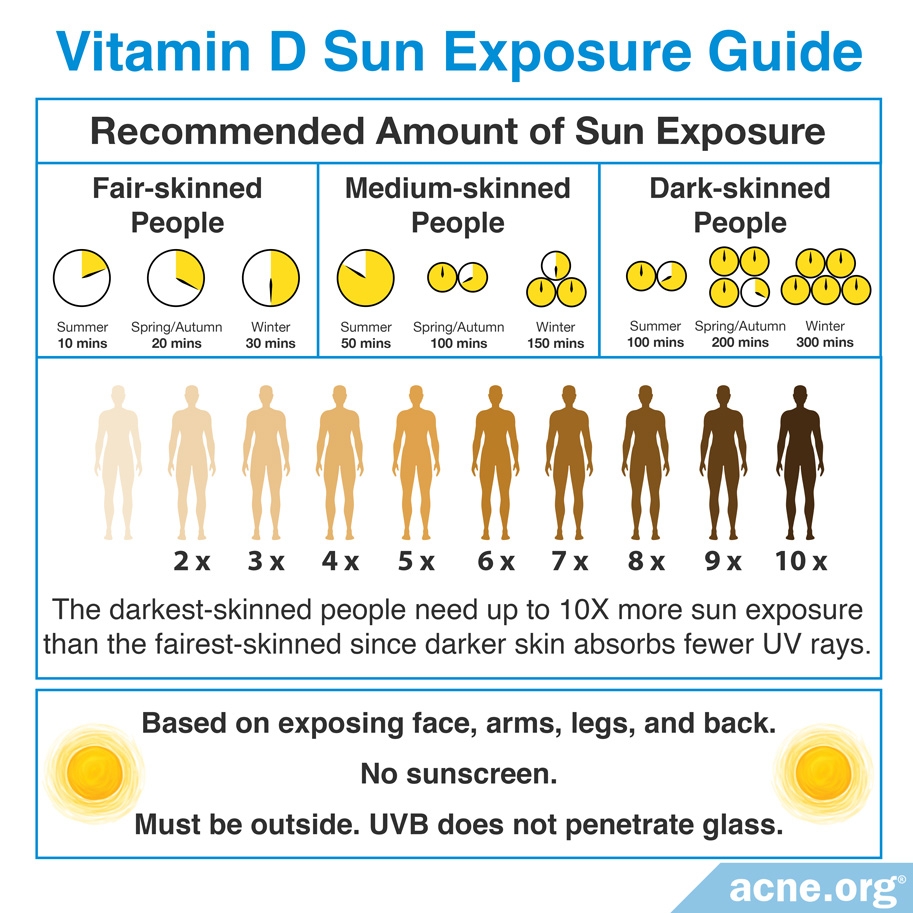
Your skin is not a uniform instrument. Melanin content influences how UVB is absorbed. People with deeper skin tones generally require more UVB exposure to produce comparable vitamin D levels, because melanin acts as a protective shield. That protective shield is a gift against UV damage, but it also changes how quickly vitamin D synthesis ramps up.
Other factors matter too: age, skin surface characteristics, and even how much skin is actually uncovered. In offices, clothing often covers arms and legs. If your body remains fully clad, the UVB that does reach you has fewer opportunities to trigger vitamin D formation.
Picture vitamin D synthesis as a factory. Some factories have thicker protective walls. They’re still factories—but the entrance of UVB needs to be larger or longer to get the same output.
Window Light vs. Outdoor Sun: The Difference That Changes Everything
The most common misunderstanding is equating bright indoor light with the outdoor sunlight that enables vitamin D production. Windows can let in warmth and clarity while substantially blocking UVB. You might feel like you’re basking, yet your skin is simply being illuminated.
UVA can still affect skin and contribute to photoaging, while offering little help for vitamin D synthesis. So your body can experience “sun effects” without the desired vitamin D benefits. It’s like hearing thunder without the storm—an atmosphere of sun without the necessary mechanism.
For office workers, the practical takeaway is simple: if sunlight-derived vitamin D is the goal, relying solely on indoor window light may be an incomplete strategy.
The Safety Balance: Vitamin D Without Becoming a Skin Conquest
Chasing vitamin D should never mean courting unnecessary skin damage. Sun exposure carries risks: erythema (sunburn), accelerated photoaging, and increased long-term skin cancer risk. The challenge is to aim for effective UVB exposure while minimizing harm.
In a high-rise routine, that often suggests thoughtful exposure rather than extended sun lounging. Protective behaviors—like using shade, limiting peak exposure, and covering most skin—are not betrayals of the goal; they’re guardrails that keep the quest safe.
Think of your skin like a well-used notebook. You want the ink of sunlight for vitamin D, not the scorch marks of overexposure.
Seasonal Variation: The Sun Changes Its Voice Through the Year
Vitamin D production from sun is seasonal. In winter months, the sun’s UVB output is weaker in many regions, and indoor office light becomes even less relevant to vitamin D status. Even if you step outside, the time of day and angle of the sun can drastically affect UVB availability.
High-rise office schedules compound this: many people go to work before the sun is strong and return after it fades. The result can be months where UVB exposure is chronically insufficient.
Seasonality is the hidden metronome. You can’t outwork it with willpower alone.
What If Sun Isn’t Enough? The Role of Diet and Supplements
When outdoor UVB exposure is limited—or when office routines make it inconsistent—vitamin D status may lag. Many people assume sun is the only lever, but the body is a multi-source system. Dietary vitamin D can contribute, particularly from fatty fish, fortified foods, and certain dairy alternatives. However, food alone may not always meet needs.
In many cases, supplements become a pragmatic bridge. They provide vitamin D without exposing skin to additional UV radiation. The best approach depends on individual blood levels and risk factors. Testing can clarify whether your current intake and exposure are aligned with your physiology.
Supplements are like a steady power supply—less cinematic than sunshine, but often reliable when schedules and seasons conspire against the body.
Practical Strategies for High-Rise Workers: Making Sun Work for You
If you spend your day inside, consider small, intentional modifications. Use daylight breaks to step outdoors during UVB-active windows when possible. Even brief exposures can help if timed well. If you’re near a window, remember that brightness isn’t the same as UVB. Also pay attention to how much skin is uncovered during exposure, while still keeping safety in mind.
You might also rethink your routine: a short walk at midday can outperform a longer indoor “window sit” that offers no UVB. If your office allows, reposition your workspace closer to natural light—but treat that as comfort, not as a vitamin D solution.
These strategies won’t turn an office job into a beach vacation. They will, however, turn uncertainty into design.
The Bottom Line: The Truth Is Nuanced, Not Dismissing
Vitamin D from sun is not a myth. But in high-rise offices, it’s filtered through layers—architecture, distance, glass physics, individual skin traits, and seasonal shifts. It’s entirely possible to be surrounded by light and still have insufficient UVB exposure for meaningful vitamin D synthesis.
The most intriguing part is how the body adapts to what we repeatedly do. If your sunlight opportunity is inconsistent, your vitamin D trajectory may follow that inconsistency. If your exposures are unsafe, your skin pays the bill—sometimes long after you forget the transaction.
So seek the sun with discernment. Let it be a tool, not a gamble. And if the city’s schedule blocks your access, let diet and supplementation fill the gaps—quietly, responsibly, and with the steady wisdom of evidence-based choices.