Ever wondered why two people can eat the same way, move about similarly, and still see wildly different blood-sugar patterns? That riddle gets more interesting when you add two often-overlooked nutrients into the mix: Vitamin D3 and Vitamin K2. They’re not magic wands—but they can act like quiet co-pilots for the metabolic machinery behind insulin sensitivity. And here’s the playful question to start: what if your glucose numbers are partly negotiating with your vitamin status—without you ever realizing it?
The insulin sensitivity puzzle (and a hidden contender)
Insulin sensitivity is the body’s willingness to respond to insulin efficiently. When sensitivity wanes, glucose lingers longer in the bloodstream, and the pancreas may compensate by producing more insulin. Over time, that compensation can become a burden. The intriguing twist is that insulin sensitivity doesn’t live in isolation. It’s influenced by inflammation, cellular signaling, mitochondrial energy handling, and even vitamin-dependent gene regulation.
Now comes the potential challenge: many people chase “solutions” that only target blood sugar directly, while overlooking upstream factors that shape insulin response. Vitamin D3 and K2 sit upstream. They help the body regulate systems that intersect with insulin’s effects on cells—especially muscle and adipose tissue.
Vitamin D3: the hormone-like nutrient with metabolic ambitions
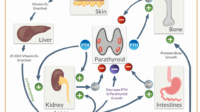
Vitamin D3 (cholecalciferol) behaves more like a hormone than a simple vitamin. It’s converted in the liver and then the kidneys into its active form, which can interact with vitamin D receptors located in many tissues. Those receptors influence gene transcription—meaning vitamin D can nudge cellular behavior.
When Vitamin D status is low, researchers have observed associations with impaired glucose tolerance and higher risk of metabolic dysfunction. The story isn’t just “vitamin levels correlate with diabetes.” It’s that Vitamin D appears to participate in immune modulation and inflammation control—two major gatekeepers of insulin signaling.
Short version: better Vitamin D sufficiency may help the body keep inflammatory pathways from sabotaging insulin action.
Vitamin K2: directing calcium where it belongs
Vitamin K2 (often in forms like MK-7) is famous for its role in activating proteins involved in calcium handling. Think of it as a logistics manager: it helps determine whether calcium should be deployed into bone and teeth—or whether it should drift into soft tissues, including vasculature, where it may contribute to problems.
Why would that matter for insulin sensitivity? Blood vessels and insulin signaling are intertwined. Vascular health affects tissue perfusion, oxygen delivery, and inflammatory tone. When calcium is misallocated, the downstream environment can become less hospitable to metabolic function.
So K2 brings a steadier “metabolic backdrop.” It’s not only about bones; it’s about the stage where insulin’s performance happens.
The D3 + K2 synergy: a coordinated biochemical duet
Vitamin D3 increases absorption of calcium from the gut. But calcium absorption without coordinated calcium utilization can create imbalance. This is where Vitamin K2 steps in. In simple terms, D3 may raise calcium availability, while K2 helps ensure calcium finds its preferred destinations.
That coordination may also be relevant to metabolic health because insulin sensitivity is partly sensitive to inflammation and tissue function. When the body avoids chronic micro-disarray—calcium mismanagement, inflammatory friction, and oxidative stress—cells may respond to insulin with greater fidelity.
Uncommon framing helps here: D3 and K2 can be viewed as a “regulatory braid” that tightens biochemical feedback loops rather than acting as a single-switch intervention.
Mechanisms: how these vitamins could support insulin action
Several pathways have been discussed in the context of Vitamin D3 and insulin sensitivity:
1) Inflammation modulation: Lower Vitamin D status has been linked with more inflammatory signaling. Reduced inflammation may improve insulin receptor signaling and downstream glucose uptake.
2) Pancreatic beta-cell support: Beta cells are responsible for insulin production. Vitamin D appears to play a role in beta-cell function and survival signaling, though results vary by population and study design.
3) Immune regulation: Immune activity can influence metabolic risk. Vitamin D’s immunomodulatory effects may help balance immune tone in ways that protect insulin sensitivity.
4) Calcium and vascular effects via K2: Calcium homeostasis influences endothelial function and tissue environment. K2’s calcium-directing role may help prevent conditions that promote metabolic deterioration.
Here’s the cautionary whisper: mechanisms don’t guarantee outcomes for every individual. Biology is stubborn. But the convergence of pathways makes the D3 + K2 combination biologically plausible.
Diabetes types: do the benefits look different?
Type 1 diabetes is primarily autoimmune, while Type 2 diabetes is more tightly connected to insulin resistance and metabolic stressors. That doesn’t mean nutrients matter less in Type 1. It means the dominant drivers differ, and Vitamin D3/K2 may influence the immune-metabolic interface rather than the insulin resistance machinery alone.
Type 2 diabetes has a stronger connection to insulin sensitivity and inflammation dynamics—areas where Vitamin D3 and K2 are frequently discussed. Still, responses can vary based on baseline deficiency, genetics, medication use, dietary calcium intake, sun exposure patterns, and overall lifestyle.
Think of it like tuning an instrument. If it’s wildly out of tune (severe deficiency), small adjustments can matter a lot. If it’s already near optimal, changes may feel subtler.
What does “insulin support” look like in real life?
If D3 + K2 were helping, what might you notice?
Some people track improvements indirectly through:
– Fasting glucose and A1C trends over time
– Better post-meal glucose curves
– Reduced inflammation markers (if monitored)
– Improved consistency in energy and reduced “glucose swings”
Short sentence: these are not instant changes. Many vitamin-related adjustments operate over weeks to months, especially when correcting deficiency.
Timing and dosing: the practical challenge
One playful challenge: dosing too casually. Many people underestimate how Vitamin D dosing interacts with body stores. Too little may do nothing; too much can be counterproductive.
Vitamin D3 is fat-soluble, so pairing it with a meal containing fat may improve absorption. Vitamin K2 is also fat-soluble, and consistent intake can support the proteins it activates.
Dosage depends on baseline levels and medical context. That’s why lab testing—especially measuring 25-hydroxyvitamin D—can be useful. For K2, the question becomes more individualized: intake patterns, dietary sources, and concurrent medications matter.
Important safety note: If someone is on warfarin or other vitamin K antagonists, K2 supplementation can be risky. A clinician should guide decisions in those scenarios.
Food sources and habits: pairing supplements with nutrient reality
Supplements can help, but your metabolic orchestra also plays music from food and lifestyle. Vitamin D3 can come from fatty fish, fortified dairy alternatives, and—yes—sun exposure. K2 is abundant in certain fermented foods and animal products. Gut health and overall diet quality also influence inflammation, micronutrient status, and glucose dynamics.
Short and honest: a supplement without lifestyle may feel like running with a locked brake. But when paired with regular activity, adequate sleep, and a balanced carbohydrate approach, the potential becomes more plausible.
Choosing D3 + K2 products: what to look for
If you’re selecting a Vitamin D3 + K2 complex, focus on details rather than marketing flair. Look for:
– Clear labeling of Vitamin D3 dosage (often expressed as IU)
– K2 form information (MK-7 is commonly used)
– Servings and capsule count that match your routine
– Third-party testing when possible

Safety, side effects, and the “too much” problem
Vitamin D3 is helpful when used appropriately, but excess can raise calcium levels, potentially leading to complications. Symptoms that may appear with excessive Vitamin D include nausea, constipation, weakness, or confusion—though those are not specific. This is one reason periodic monitoring and clinician guidance are so valuable.
K2 is generally well-tolerated for many people, but medication interactions are the big concern. Again: warfarin users should avoid K2 unless a prescribing professional approves it.
Long sentence, simple meaning: the right dose isn’t about courage; it’s about precision.
Putting it together: a realistic next step
If you’re aiming to support insulin sensitivity with Vitamin D3 + K2, begin with context. Check for deficiency risk: limited sun exposure, darker skin pigmentation, obesity, malabsorption issues, or consistently low dietary intake can all raise the odds of low Vitamin D.
Then consider a plan: get baseline labs when feasible, choose a product with transparent dosing, pair it with a meal containing fat, and reassess over time. Monitor glucose patterns if you’re already tracking them, and don’t treat supplements as a stand-alone cure.
Final playful thought: the body is a complicated newsroom. Vitamin D3 and K2 may not be the headline writers—but they can influence which stories get published: inflammation, calcium chaos, and the responsiveness of insulin’s signaling.