Muscle pain and weakness can feel like a quiet betrayal—one day you’re climbing stairs with ease, the next you’re moving as if your body has been wrapped in invisible weights. Among the many potential culprits, low vitamin D often lurks in the background. It’s not just about bones and sunshine; vitamin D participates in neuromuscular orchestration, affecting how muscles generate force, how nerves communicate, and how inflammation behaves. The question, then, isn’t merely whether low vitamin D can cause muscle pain and weakness—it’s how and why this can happen, what it resembles, and what steps help bring relief and clarity.
Yes—Low Vitamin D Can Be Linked to Muscle Pain and Weakness
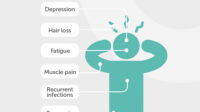
Vitamin D is more than a nutrient; it behaves like a hormone in the body. When levels fall, muscles can become less efficient at contraction and recovery. People may describe dull aching, heaviness, generalized soreness, or a “threadbare” feeling in the limbs. Weakness can appear as difficulty standing from a chair, climbing stairs, gripping objects, or performing tasks that once felt routine.
Some symptoms are subtle and easy to misread as stress, overuse, or aging. Yet low vitamin D–associated muscle symptoms often show a pattern: they tend to be widespread rather than isolated to a single joint or injury site. That distinction matters.
What you might notice:
- Muscle achiness in thighs, hips, back, or legs
- Proximal weakness (trouble with movements that use upper leg and hip muscles)
- A tired, low-energy sensation that shadows physical activity
- Occasional cramps or stiffness that seem disproportionate to workload
Because vitamin D influences calcium handling and muscle metabolism, deficiency can nudge muscles toward inefficiency. It’s not uncommon for people to feel that their muscles “won’t fire” the way they used to.
Myopathy: How Vitamin D Deficiency Can Affect Muscle Tissue
The medical term for muscle disease is myopathy. In the context of vitamin D deficiency, myopathy describes how muscle structure and function can be disrupted. The word “myopathy” sounds ominous, but it often refers to a spectrum of functional impairments rather than a dramatic event.
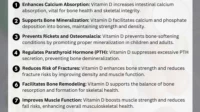
Mechanistically, vitamin D supports normal muscle fiber performance and helps regulate calcium availability. Calcium is the spark that drives muscle contraction. When vitamin D is low, the system that manages calcium balance can become less coordinated, contributing to cramps, weakness, and discomfort. Vitamin D also participates in immune modulation; deficiency may increase inflammatory signaling, which can worsen pain perception.
In more severe cases, muscle symptoms can become pronounced. Individuals might show difficulty rising from the floor or climbing—movements that demand strong proximal muscle engagement. The severity can vary widely depending on how low the vitamin D level is, how long it has been low, and whether other factors—like kidney issues, medications, or nutritional constraints—are present.
Signs That Suggest a Vitamin D Connection (Compared With Other Causes)
Muscle pain and weakness have many explanations: overtraining, viral illnesses, thyroid disorders, neuropathy, anemia, medication side effects (including certain statins), sleep deprivation, and autoimmune conditions. Vitamin D deficiency can mimic some of these. The key is identifying patterns.
Vitamin D–related symptoms often have a broader, bilateral distribution—affecting both sides of the body rather than a single limb. People frequently report discomfort in weight-bearing muscle groups (hips, thighs, lower back). They may also experience bone discomfort or increased susceptibility to aching after minimal activity.
Helpful clues:
- Weakness that is more noticeable during standing, stair climbing, or lifting from a seated position
- Generalized muscle aches without a clear injury trigger
- Low sunlight exposure, darker skin pigmentation, winter season, or indoor lifestyle
- Dietary patterns low in vitamin D and limited fortified foods
- Higher body fat percentages, which can sequester vitamin D in fat tissue
That said, pattern recognition is not diagnosis. It’s a compass, not a map.
How Deficiency Happens: Risk Factors and Physiologic Barriers
Vitamin D status depends on sunlight exposure, skin synthesis, dietary intake, absorption, and activation by the liver and kidneys. Low levels can emerge from several pathways, sometimes stacking on top of each other like dominoes.
Common contributors include:
- Limited sun exposure: Working indoors, using heavy sunscreen consistently, or living at higher latitudes
- Skin pigmentation: Melanin reduces vitamin D synthesis
- Dietary insufficiency: Low intake of fatty fish, fortified dairy/alternatives, or egg yolk
- Malabsorption: Celiac disease, inflammatory bowel disease, bariatric surgery, or chronic gut disorders
- Medication effects: Some anticonvulsants, glucocorticoids, and other drugs can alter vitamin D metabolism
- Kidney or liver conditions: Activation may be impaired
Some people develop deficiency silently. They feel “off,” but don’t connect it to vitamin D because the symptoms are not dramatic at first. The body is usually communicating—just in a language that can be mistaken for ordinary fatigue.
Symptoms Beyond Muscles: What Else Can Show Up
Muscle pain and weakness may be the headline, but vitamin D deficiency can influence other systems. Some people report fatigue, low mood, or a general sense of malaise. Others notice bone tenderness or increased discomfort in areas that bear mechanical load.
In more prolonged deficiency, bone health can be compromised. While rare in adults compared to children, severe deficiency can contribute to osteomalacia—bone softening that often presents with persistent pain and proximal weakness. The discomfort may worsen gradually rather than abruptly.

Testing: How Vitamin D Deficiency Is Confirmed
If symptoms persist, testing can turn uncertainty into direction. Clinicians typically measure 25-hydroxyvitamin D—the most stable marker of vitamin D status. Alongside that, other labs may be checked depending on clinical context, such as calcium, phosphorus, parathyroid hormone, and kidney function.
Why does this matter? Because vitamin D isn’t acting alone. Low vitamin D can trigger secondary changes in calcium and parathyroid hormone. Understanding those relationships helps distinguish pure deficiency from broader metabolic issues.
Testing also prevents misattribution. For instance, someone could have muscle symptoms from thyroid dysfunction or medication effects, while vitamin D happens to be low as well. Health is often a layered puzzle.
Treatment and Recovery: What Improvement Typically Looks Like
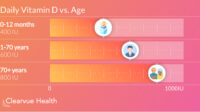
Treatment usually involves vitamin D repletion—either via supplementation or addressing underlying causes such as malabsorption. The dosage and timeline depend on the degree of deficiency, body weight, comorbidities, and clinician guidance.
Many people notice changes over weeks, though full recovery can take longer. Muscle strength may return gradually as biochemical pathways normalize and inflammation quiets. Pain might lessen first; weakness can lag as the body rebuilds its functional endurance.
Important nuance: Improvement doesn’t mean the root issue is always resolved. If deficiency is caused by absorption problems, ongoing adjustment may be needed. If it’s caused by limited sun exposure, long-term maintenance becomes part of the plan.

When to Seek Urgent Medical Attention
Most vitamin D–related myopathy is not an emergency, but some scenarios require prompt evaluation. Seek medical care if weakness is rapidly progressing, if there is severe difficulty walking, if muscle pain is accompanied by fever or unexplained weight loss, or if you notice dark urine or extreme muscle tenderness—possible red flags for more dangerous muscle injury.
Also reach out if you have known risk factors (chronic kidney disease, malabsorption, autoimmune conditions) or if muscle symptoms persist despite reasonable supplementation efforts. The body’s discomfort should not be normalized indefinitely.
Lifestyle Strategies to Support Vitamin D Levels (Without Overpromising)
Sun exposure can boost vitamin D synthesis, but it must be balanced with skin cancer risk and individual skin type. Short, sensible sun exposure may help some people, while others benefit more from dietary sources and supplementation. Food alone can be insufficient in many cases, yet it still matters as a foundational layer.
Consider practical supports:
- Include vitamin D–rich foods (fatty fish, fortified dairy/alternatives, egg yolk)
- Ask about safe supplementation schedules tailored to results
- Maintain resistance exercise and gentle mobility to support muscle function
- Address sleep quality and overall nutrition, which influence recovery pathways
These strategies don’t replace medical care when deficiency is significant. Think of them as stabilization—like scaffolding while the body repairs.
The Bigger Picture: Treating Muscles Means Treating the System
Low vitamin D can indeed cause muscle pain and weakness, and in some circumstances it contributes to myopathy. But the most effective approach treats the whole system: confirming deficiency with appropriate testing, evaluating comorbidities, and adopting a recovery plan that includes both biochemical correction and functional rehabilitation.
If your muscles feel unreliable, consider it not just discomfort, but a signal—an invitation to investigate. When vitamin D is restored to a healthy range, many people experience meaningful relief, and the sensation of “heaviness” can gradually fade into something lighter, steadier, and more trustworthy.