There’s a particular kind of silence that can settle into the body after menopause. It’s not dramatic; it’s quieter than that. One day, a stair feels different. The next, morning stiffness lingers like an unanswered question. Many people then discover the same thread running through countless conversations: vitamin D. Think of it as a chemical “sunlight courier,” transporting signals that help bones stay sturdy and muscles stay responsive. When that courier is under-delivering, the joints may start to complain—subtly at first, then more insistently—until arthritis-like discomfort feels like it has taken residence.
Why Menopause Can Turn Joint Comfort into a Negotiation
Menopause is a hormonal pivot, but its effects are experienced as sensations: achiness, creakiness, and reduced range of motion. Estrogen doesn’t just influence reproduction; it participates in the choreography of inflammation, bone remodeling, and connective tissue maintenance. As estrogen wanes, the body may become less efficient at preserving skeletal mineral density. That shift can make joints feel more vulnerable, especially where load and wear accumulate.
In this context, vitamin D becomes more than a “supplement.” It becomes a supporting mechanism in a larger system. When vitamin D status is low, calcium absorption can falter, and bones may lose their “structural elasticity.” Picture bones like well-seasoned scaffolding: not just strong beams, but beams that can flex safely under daily stress. When the scaffolding thins, the joints begin to feel it.

Vitamin D’s Hidden Role: Calcium, Immune Modulation, and Joint Resilience
Vitamin D works through a network of receptors that influence more than bone. It supports calcium absorption in the gut, and calcium helps maintain bone mineralization. But the story doesn’t stop there. Vitamin D is also involved in immune regulation—an important factor because chronic, low-grade inflammation can contribute to discomfort in arthritic conditions.
Imagine the immune system as a vigilant security team. In some people, that team becomes overzealous, treating normal tissue signals like intrusions. Vitamin D helps tune that vigilance—less like turning the system off, more like adjusting the volume so it isn’t constantly rattling the windows.
That tuning effect may be one reason vitamin D is often discussed alongside arthritis relief. While it may not be a standalone cure for all joint disorders, improving vitamin D sufficiency can create a more favorable environment for joint comfort and functional mobility.
Linking Vitamin D Deficiency to Stiffness and Discomfort
Deficiency is a common, under-recognized contributor to musculoskeletal symptoms. People sometimes notice patterns: less energy for workouts, more difficulty rising from a chair, and stiffness that feels pronounced in the early hours. There’s also a geographic and lifestyle angle. Limited sun exposure, darker skin pigmentation, older age, and certain dietary patterns can all reduce vitamin D synthesis.
The body can compensate for a while, but compensation has a ceiling. When the supply line weakens, the consequences show up in tissues with high metabolic demand—bones, muscles, and the spaces where tendons and ligaments meet the skeleton.
In menopause, where bone turnover dynamics are already shifting, a deficiency may act like an accelerant on the flame of discomfort. Addressing vitamin D isn’t only about “adding a vitamin.” It’s about restoring a baseline that the joints can rely on.
Dosage: Finding the Right Balance Without Guesswork
Vitamin D dosing is best framed as precision rather than hope. Too little may not correct the underlying problem; too much can create toxicity risk. The most sensible path is testing—then dosing based on actual 25-hydroxyvitamin D levels.
Many adults use daily supplementation, but some prefer intermittent strategies. The “right” regimen depends on baseline status, absorption considerations, body weight, and existing medical conditions. If vitamin D is being used to support joint comfort, it’s also worth considering the timeline. Bone and inflammatory signaling are slow systems. Improvements, if they occur, typically emerge over weeks to months rather than days.
Common supplemental forms include vitamin D3 (cholecalciferol) and vitamin D2 (ergocalciferol). D3 is often favored for its robust performance in raising circulating levels. Still, what matters most is consistency and achieving a target range under professional guidance.
As you think about dosage, picture a thermostat. A thermostat isn’t magic; it simply prevents the room from drifting too cold or too hot. Vitamin D dosing aims to keep the body’s internal “set point” stable.
D3 vs D2: Choosing the Form Your Body Can Actually Use
Vitamin D3 is produced in skin under sunlight and is structurally close to the vitamin D your body naturally recognizes. Vitamin D2, derived from plant sources or lab preparations, can also raise blood levels, but its efficiency and kinetics may differ.
If the goal is arthritis relief through joint-support mechanisms, the practical question is this: which option most reliably brings vitamin D into sufficiency? For many people, D3 tends to be the preferred choice. It’s not a moral decision—just a metabolic one.
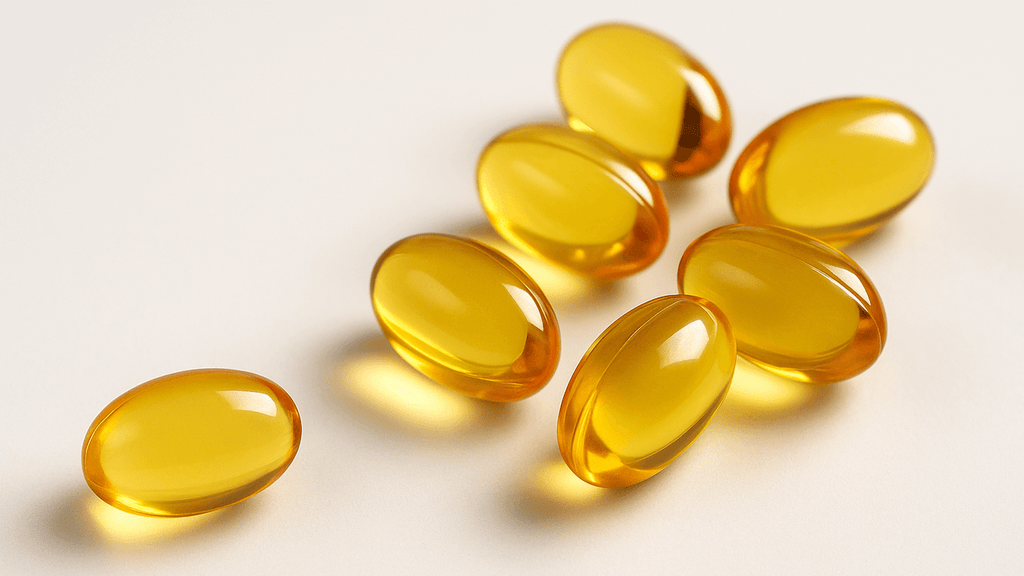
When selecting a product, look beyond marketing language. Consider dosage per serving, the presence of an appropriate carrier oil if it’s an oil-based capsule, and the transparency of labeling. The body prefers clarity.
How to Pair Vitamin D With Joint-Support Habits
Supplements can be powerful, but they work best inside a lifestyle framework. Joint health is not a single lever; it’s a handful of levers moving in harmony. Vitamin D may support bone mineralization and inflammation balance, but movement provides the mechanics that keep joints lubricated and tissues adaptable.
Gentle strength training can help stabilize joints by improving the “suspension system” of muscles around them. Range-of-motion work can reduce stiffness and improve functional fluidity. Hydration supports tissue comfort. Sleep influences inflammatory signaling. Diet provides the raw materials—protein for tissue repair and micronutrients that collaborate with calcium and vitamin D.
Even small actions matter. A brief daily walk can be a quiet negotiation with stiffness, teaching joints that they are safe to move. Think of it as rehearsing motion so the body doesn’t forget the choreography.
What Improvements to Expect—and What to Watch For
If vitamin D insufficiency is part of the picture, people often report changes such as reduced morning stiffness, improved muscle comfort, and better tolerance for activity. Some notice that joints feel less “loaded,” as if the body stops compensating for fragility.
However, joint pain has many causes: osteoarthritis, inflammatory arthritis, tendon issues, and even referred pain from other regions. Vitamin D may support the terrain, but it won’t replace a proper evaluation when symptoms are severe, progressive, or accompanied by swelling, warmth, or significant functional impairment.
It’s wise to monitor response. If discomfort improves, that’s encouraging. If it doesn’t, the strategy may need adjustment—perhaps with updated lab work, a reassessment of dosage, or further medical evaluation for arthritis type.
Safety Notes: Avoiding the Pitfalls of Excess
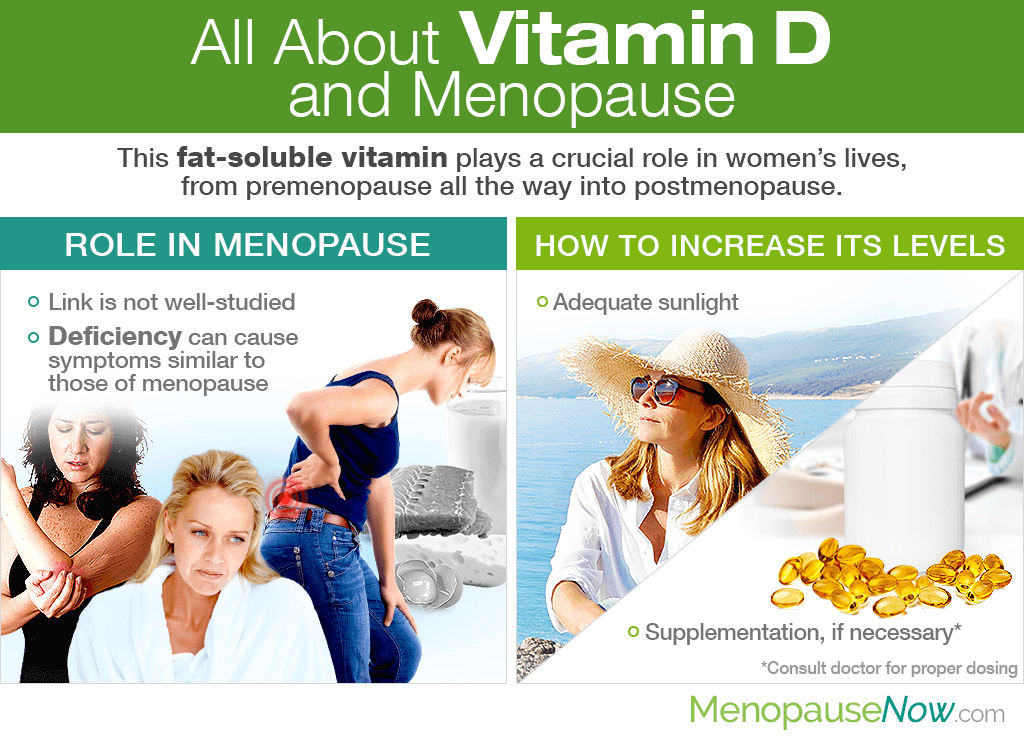
Vitamin D is fat-soluble, which means it can accumulate. That’s why testing and guided dosing are important. Excess intake can lead to high calcium levels and potential complications. Symptoms of too much vitamin D may include nausea, constipation, excessive thirst, frequent urination, and in more serious cases, kidney-related issues.
Safety is not a buzzword; it’s the foundation. If vitamin D is being taken alongside calcium supplements or other multivitamins, total intake should be reviewed so the body doesn’t receive overlapping doses unintentionally.
A well-designed plan respects the body’s boundaries, much like reinforcing a bridge without overloading the structure.
A Realistic Conclusion: Vitamin D as an Ally in the Arthritis Relief Journey
Vitamin D can be an ally for menopause-related joint pain, particularly when deficiency or insufficiency is present. It supports calcium absorption, contributes to bone maintenance, and participates in immune regulation—three factors that can influence how joints feel day to day. Its appeal is also practical: it’s measurable, it’s adjustable, and it can be integrated into a broader routine focused on mobility and strength.
Arthritis relief isn’t a single switch. It’s a gradient, built from consistent support. Vitamin D can help turn the volume down on stiffness and restore the body’s confidence in movement. For many, that confidence feels like returning a familiar rhythm—one step at a time.