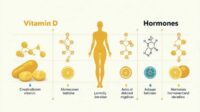
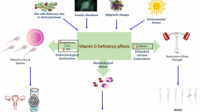
There’s a particular moment many people recognize—one day the body feels familiar, and the next, it feels newly complicated. During menopause, symptoms can arrive like overlapping weather systems: hot flashes flare without notice, sleep becomes fickle, mood shifts, and joints complain with an offhand persistence. Amid all this, one duo keeps reappearing in wellness conversations: Vitamin D3 and Vitamin K2. It sounds simple, almost too tidy for something as intricate as human physiology. Yet the fascination is understandable. D3 and K2 don’t merely “support health”—they choreograph calcium’s journey through the body, and that single detail may help explain why they’re so often linked to both symptom comfort and bone protection.
Why Menopause Makes the Body Reevaluate Calcium and Calcium Metabolism
Menopause doesn’t only change hormones; it reshapes how the body prioritizes resources. Estrogen, among its many roles, is involved in maintaining bone remodeling balance. When estrogen declines, bone turnover can become less graceful—resorption may begin to outpace rebuilding. The result can feel personal: stiffness on waking, a lingering ache after stairs, and a gradually increasing fear of fractures.
This is where the “calcium story” becomes more than a talking point. Calcium isn’t meant to sit idly in circulation. It must be utilized where it belongs—primarily bone—while minimizing where it shouldn’t accumulate. If calcium handling becomes inefficient, bones may lose out even when calcium intake seems adequate. And that brings Vitamin D3 and Vitamin K2 into the spotlight.
Vitamin D3: The Signal That Helps the Body Absorb and Use Calcium
Vitamin D3 acts like a biochemical translator. Without it, calcium absorption from the gut can remain incomplete. With it, the body gains an improved capacity to pull calcium into circulation and prepare it for constructive use. This doesn’t guarantee instant relief, but it can improve the nutritional groundwork on which bones rely.
During menopause, the body’s resilience can feel reduced. That reduction can be intensified when Vitamin D status is low—whether due to limited sunlight exposure, darker seasons, indoor lifestyles, or changes in body composition. Some people notice muscle discomfort or a sense of fatigue that seems disproportionate. While there are many contributing factors, insufficient D3 can be one thread in the larger tapestry.
Think of D3 as the “start” command in a longer process. Absorption is step one; effective utilization is step two. D3 supports both, but it still needs a partner to complete the choreography.
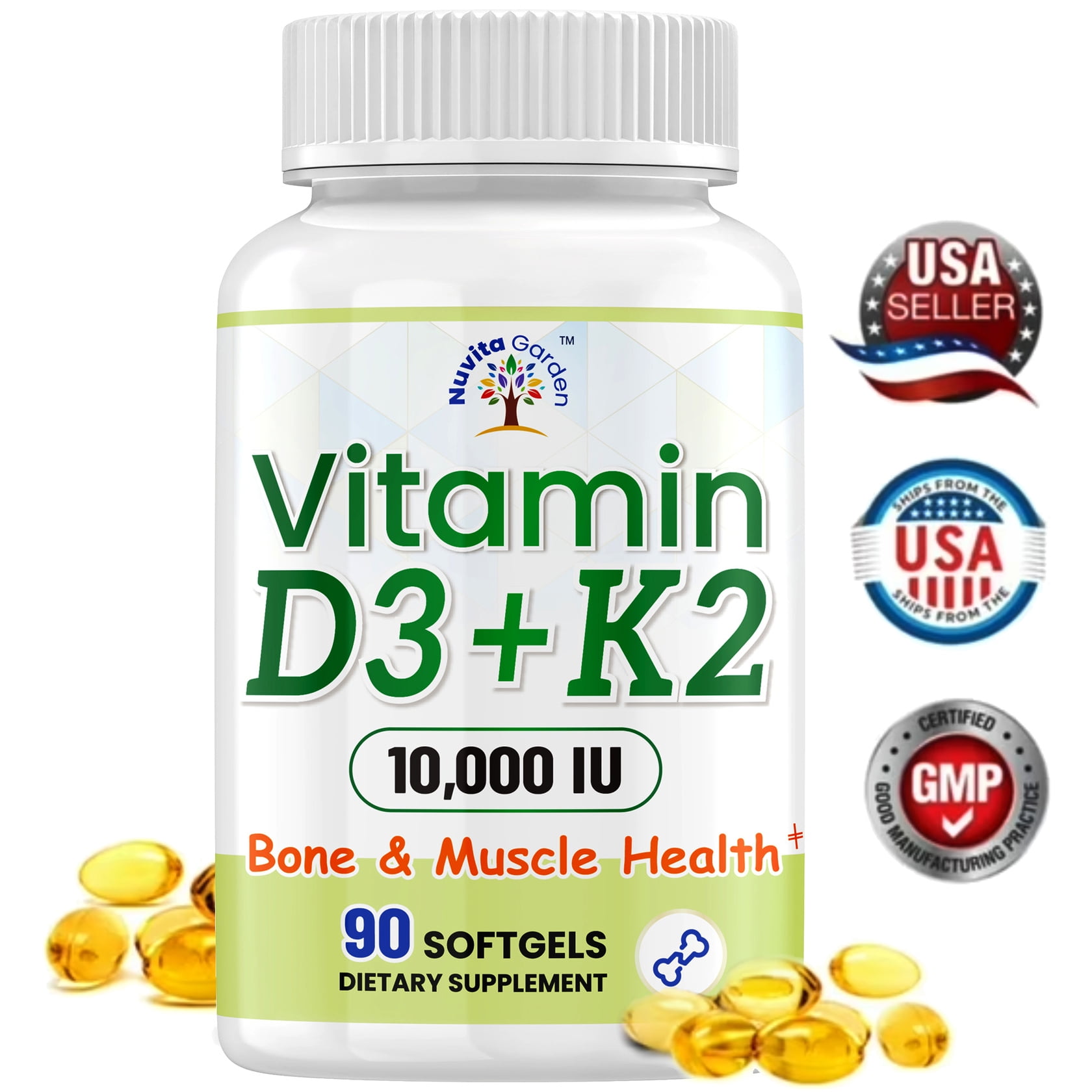
Vitamin K2: The Gatekeeper That Directs Calcium Toward Bone
If D3 is the signal, Vitamin K2 can be understood as the courier and gatekeeper. K2 helps activate proteins involved in binding calcium within bone tissue. In simpler terms, it supports the “placement” system—helping ensure calcium doesn’t drift toward less desirable destinations.
There’s also an additional layer of intrigue: K2 is linked with regulating calcium’s interactions in the body. When calcium placement is suboptimal, it may contribute to vascular calcification risk. While that’s not the only factor in heart and vessel health, it’s a reason K2 draws attention from people who want a more comprehensive approach during menopause—especially those who are balancing bone concerns with cardiovascular awareness.
For many, this combination feels fascinating because it addresses a problem that isn’t only “more calcium.” It’s “better use of calcium.” That deeper logic is what makes D3 + K2 more than a trendy pairing.

Symptom Relief: Where the Connection Feels Personal
Menopause symptoms can be stubborn. Some strategies target the nervous system’s thermoregulatory instability (hot flashes), others focus on sleep quality or mood stability. Where do D3 and K2 fit in?
They may not act like an immediate switch. Instead, they may support the bodily conditions that influence how symptoms are experienced. Bone and muscle discomfort can worsen when calcium handling and vitamin status are insufficient. Improved D3 availability can support muscle function and reduce a sense of generalized ache for some people. K2’s role in calcium utilization may also influence how bones respond to remodeling demands.
Still, the “symptom relief” mechanism is often indirect. Menopause is not a single problem. It’s a convergence of metabolic, skeletal, and inflammatory changes. D3 + K2 may act as a stabilizing influence—subtle, gradual, and cumulative.
Short sentences matter here: relief doesn’t always arrive dramatically. Sometimes it arrives as fewer creaks, steadier movement, and the quiet restoration of confidence when climbing stairs no longer feels like negotiation.
Bone Protection: The Core Reason This Duo Is Talked About
Bone loss is a well-known concern during menopause, but it’s also a concern that can feel abstract until it isn’t. The prospect of osteopenia or osteoporosis can feel distant—until one fall, one misstep, or one unexpected diagnosis changes the timeline.
D3 supports calcium absorption, while K2 supports calcium’s incorporation into bone-related processes. Together, they address two different checkpoints in bone maintenance. When those checkpoints function better, the body may be better equipped to handle the accelerated remodeling that can occur after estrogen declines.
Many people notice that “bone protection” becomes more urgent with age because bone remodeling is ongoing, not optional. Over time, small inefficiencies can compound. That’s where D3 + K2 becomes more than a supplement—it becomes a strategy aimed at reducing friction in the remodeling system.
How to Think About Dosage: High-Quality Ratios and Individual Needs
Not all D3 + K2 products are configured the same way. Dosage often includes D3 measured in IU and K2 often expressed in mcg. The ratio between them can matter because their roles differ. Some formulations pair higher D3 with a specific K2 amount to keep the “signal-to-placement” alignment.
However, an important reality remains: individual needs vary. Baseline Vitamin D status, dietary habits, sunlight exposure, body weight, and existing medical conditions can all shift the ideal approach. Some people require more D3 to correct deficiency; others may need maintenance. K2 needs may also differ depending on intake, gut absorption, and overall metabolic context.
It helps to approach dosing as personalization rather than one-size-fits-all certainty. The goal is steadiness, not sporadic intensity.
Choosing a Product: What to Look For Beyond the Label
When browsing supplements, it’s tempting to judge by brand reputation alone. Yet the most meaningful decisions are often structural. Look for clarity in dosing (how much D3 and how much K2), and consider the form. D3 is commonly delivered as cholecalciferol. K2 can appear in different variants; many people seek formulations that specify the K2 form used.
Also consider delivery format—capsules, softgels, or gummies. Gummies can be appealing for adherence, though they may include added sugars or different ingredient profiles. Swallowing-friendly formats may support consistency, which matters more than perfection.

Timing and Absorption: When Your Body Wants D3 the Most
Vitamin D3 is fat-soluble, which means absorption can improve when taken with meals that contain dietary fat. The same logic often applies to K2, supporting better integration into fat-based transport pathways. Some people find it helps to take D3 + K2 with breakfast or dinner, when the body is already processing nutrients.
Short-term patterns matter less than long-term continuity. Menopause is a multi-season shift; supplement support should be consistent enough to match that rhythm.
If you’re also taking other nutrients—like magnesium, calcium, or multivitamins—timing may reduce competition for absorption pathways. Thoughtful spacing can help. Long sentences can blur details, so consider keeping a simple schedule and tracking how you feel over weeks, not days.
Important Safety Notes: Interactions and Medical Considerations
While many people benefit from D3 + K2, it’s not a universally “safe for everyone” combination. Vitamin K2 can interact with anticoagulant medications such as warfarin. That means anyone using blood thinners should seek medical guidance before starting or changing K2 intake.
Similarly, individuals with certain medical conditions affecting calcium metabolism, kidney function, or parathyroid activity should be cautious and discuss supplementation with a clinician. Even with a careful approach, it’s wise to monitor relevant labs when recommended—especially if supplementing at higher doses.
Professional oversight doesn’t reduce empowerment; it increases precision.
A Practical Menopause Support Strategy: Turning Knowledge Into Consistency
D3 + K2 can be a powerful “foundation” supplement, but it works best when paired with lifestyle supports that reinforce bone strength. Weight-bearing exercise, resistance training, adequate protein intake, and sufficient dietary minerals all contribute. Sunlight exposure can support Vitamin D status naturally, though it varies by season, geography, and skin sensitivity.
Sleep quality influences hormonal regulation and recovery. Stress management affects inflammation and the way the nervous system interprets discomfort. Even hydration and regular movement can influence how “symptoms” translate into day-to-day reality.
So the deeper fascination with D3 + K2 isn’t only the promise of bone protection—it’s the sense that the body’s systems can be nudged back into alignment. Not by force, but by assisting the routes calcium needs to take, and by helping the body maintain steadier ground as menopause reshapes the map.
What to Expect: Signs It’s Working (and When to Reassess)
Because D3 + K2 support internal pathways, changes may be gradual. Some people notice improved comfort in muscles and joints over time. Others experience steadier energy or better tolerance for activity. Bone support is slower; it’s usually measured through clinical follow-ups, not sudden sensations.
If symptoms persist or worsen, reassessment is essential. Menopause symptoms can overlap with other conditions, including thyroid issues, anemia, sleep disorders, or inflammatory conditions. A supplement is not a diagnostic substitute. It’s a supportive tool.
Still, when D3 status and calcium utilization improve, the body often responds with a quiet kind of resilience—less friction, fewer nagging aches, and a renewed willingness to move.