Have you ever noticed how the coastline can feel sun-kissed one moment, then oddly dim and drizzly the next? Now imagine living where rain drapes the horizon, humidity clings to rooftops like a second skin, and the sky—almost mysteriously—seems reluctant to deliver its ultraviolet “message” to the ground. Could it be that vitamin D deficiency is quietly staging a comeback in rainy coastal areas, aided by humidity and atmospheric haze? The challenge may sound whimsical, but the biology is anything but.
The Coastal Weather Paradox: Sunlight, Yet Not Quite
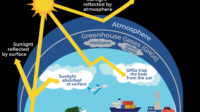
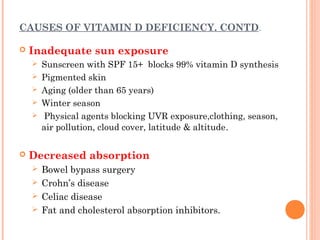
Vitamin D synthesis in the skin begins with ultraviolet B (UVB) radiation. Coastal regions often receive ample daylight during parts of the year, but rainy conditions introduce a twist: UVB can be attenuated by cloud cover, moisture-laden air, and persistent atmospheric dispersion. Sunbeams may still brighten wet streets, yet their UVB fraction can be diminished—like trying to read a page through frosted glass.
Humidity intensifies this effect. When the air is thick with water vapor, scattering increases, and UVB photons are more likely to be redirected or absorbed before they reach skin in sufficient doses. The result is a paradox: visible sunlight is not the same as biologically effective UVB.
And then there is the daily choreography. Coastal life often encourages evening strolls in cooler, damp air, or indoor lounging during showers. If outdoor time is reduced—especially during peak UVB hours—skin synthesis becomes even less efficient.
Humidity as a Biological Gatekeeper
Humidity is not just an inconvenience for hair and skin; it can influence the transmission of UVB through the atmosphere. Water vapor and cloud microphysics work together to modify light pathways. Even light that appears “strong” can be missing the UVB spectrum needed for vitamin D production.
Consider how a coastline can host frequent low clouds, mist, and drizzle. These conditions can create a persistent dimming effect throughout the week. Over time, the body may fail to build and store enough vitamin D in fat tissue. A slow shortage can then become an insidious chronic state rather than a sudden deficiency.
There’s also a behavioral echo. In humid rain, people may choose garments that cover more skin for comfort—long sleeves, lighter layers that still reduce UVB contact. Combine that with indoor time during downpours, and the “cutaneous interface” between UVB and the body becomes a smaller target.
Who Is Most at Risk Along Wet, Windy Shores?
Vitamin D deficiency rarely follows a single path. In rainy coastal areas, several risk profiles tend to intersect.
Older adults often experience reduced capacity to synthesize vitamin D in the skin and diminished responsiveness to vitamin D from food. Their outdoor activity may also decline due to mobility issues or safety concerns in rain.
People with darker skin tones require more UVB exposure to produce comparable amounts of vitamin D. In a high-cloud, high-humidity environment, the threshold may be harder to meet.
Those with limited sun exposure—for cultural, occupational, or lifestyle reasons—are particularly vulnerable. If work is indoors or commute routes are covered, effective UVB exposure can be minimal.
Individuals with higher body fat may have vitamin D sequestered away from circulation, requiring more consistent intake or exposure to maintain healthy levels.
Finally, nutritional gaps matter. Coastal diets can be rich in fish, but not all fish species contain high vitamin D, and food patterns vary widely.
Symptoms: Subtle, Swooping, and Easily Dismissed
Here’s a playful question: how often do we blame the weather for our fatigue? Rainy coastal winters can produce a “weather haze” of symptoms—low mood, sluggishness, generalized aches. Unfortunately, these can overlap with many conditions, causing vitamin D deficiency to masquerade as something else.
Possible signs include bone discomfort, muscle weakness, delayed recovery from physical strain, and an increased tendency toward infections. In severe deficiency, bone mineralization problems can emerge, leading to osteomalacia in adults and rickets in children.
But do not assume every ache is vitamin D. Still, when damp weather, reduced outdoor time, and low dietary vitamin D converge, deficiency becomes a plausible suspect.
The Hidden Equation: Diet + Sun + Storage
Vitamin D status is shaped by a three-part system: sunlight exposure, dietary intake, and body storage. In rainy coastal environments, the first element often becomes unreliable. When UVB exposure dips, dietary vitamin D must compensate. Yet compensation is frequently incomplete.
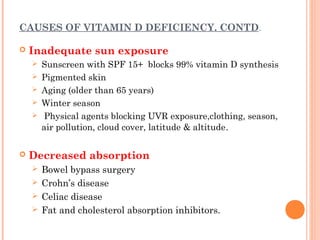
Many people do not regularly consume vitamin D–rich foods such as fatty fish (e.g., salmon, sardines) or fortified dairy alternatives. Additionally, absorption efficiency can be affected by gastrointestinal health. If the body cannot properly absorb fats, vitamin D’s journey is disrupted.
Storage also matters. Even after adequate exposure, vitamin D can gradually decline during months with persistent cloud cover. Without ongoing support, the body’s “reserve tank” may run low.
Seasonality and the Coastal Calendar
Rainy coastal regions often experience seasonal swings: monsoon periods, long rainy spells, and winter cloudiness. During these times, UVB availability may drop repeatedly, not just once. The deficiency risk therefore accumulates like slow snowfall—quiet at first, then unmistakable.
There can also be a behavioral seasonal response. People may increase indoor time during storms, and children might stay indoors longer. Without safe, regular outdoor routines, the body receives fewer UVB prompts.
Meanwhile, some communities may use heavier clothing as temperatures drop near the coast. Coverage reduces skin exposure, and even small reductions in effective UVB can matter over weeks and months.
Testing and Interpreting Vitamin D Levels
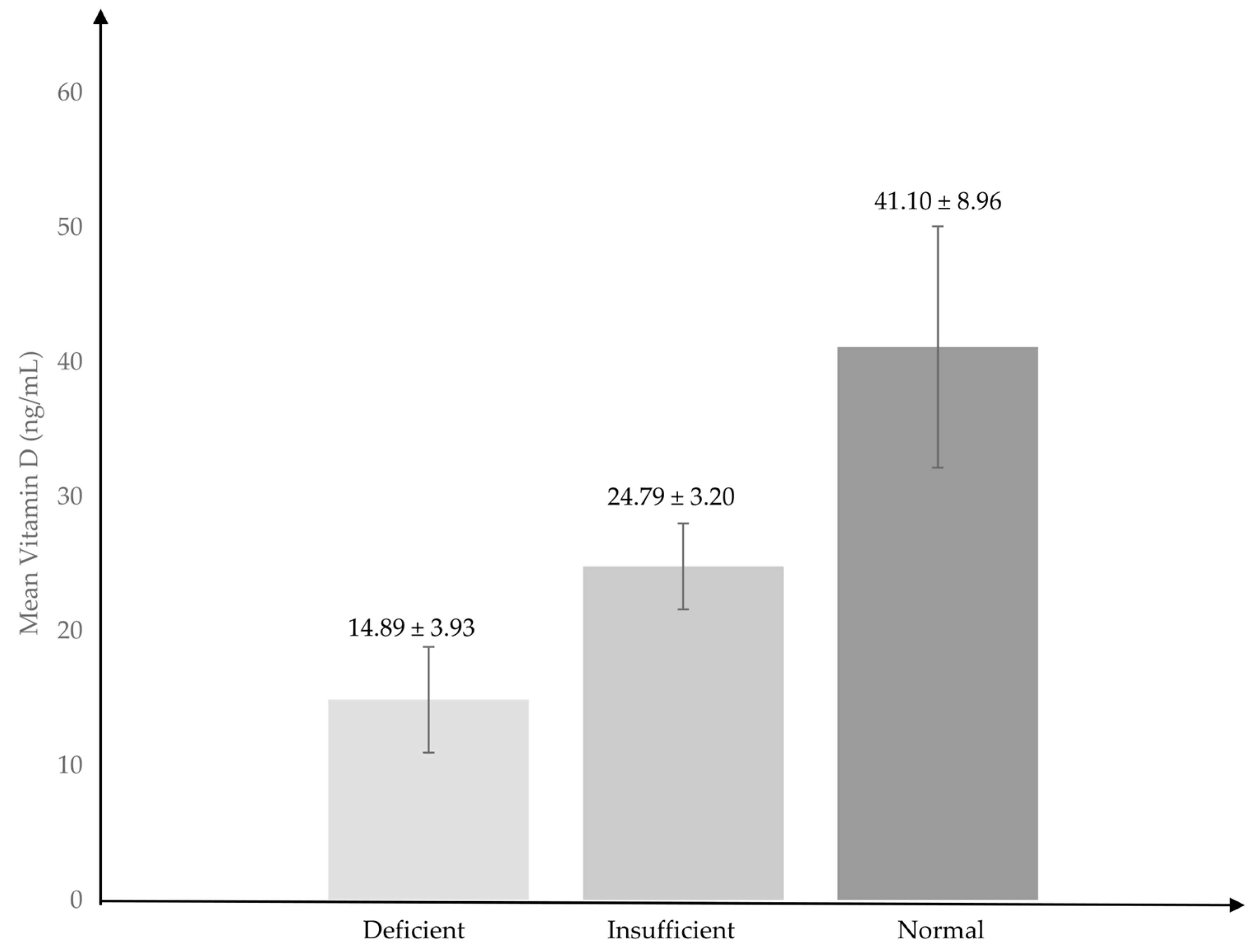
If vitamin D deficiency is suspected, a blood test is the clearest starting point. The key measurement is typically serum 25-hydroxyvitamin D. Interpretation should consider age, symptoms, medical history, and sometimes seasonal context.
It’s also useful to understand that vitamin D deficiency can coexist with other nutritional irregularities such as low calcium intake or insufficient magnesium. Vitamin D supports calcium absorption; without adequate dietary calcium, the benefits may not fully translate.
Testing is especially important for individuals at higher risk—older adults, people with darker skin, those with limited sun exposure, and those with symptoms suggesting bone or muscle involvement.
What Helps? Practical Strategies for Wet, Humid Environments
So what can be done when the sky seems determined to keep its UVB secrets?
Time outdoor exposure strategically. Even in rainy seasons, there may be breaks between showers. Use those windows for brief sun exposure when UVB is likely higher, often around midday. Short, consistent intervals can be more effective than rare long sessions.
Balance clothing with safety. Adequate skin exposure supports synthesis, but sun safety still matters. Consider exposing a portion of arms or legs when conditions are safer, while protecting eyes and using shade or sunscreen appropriately if UV levels rise.
Strengthen dietary intake. Add vitamin D–rich foods: fatty fish, egg yolk, and fortified products where available. If dietary changes are difficult, food pairing (for absorption and comfort) can help.
Consider supplementation when needed. For many people in consistently low-UV environments, supplements may be necessary. Dosage should be individualized and guided by a clinician, especially for long-term use or in the presence of kidney or calcium disorders.
Support bone health. Pair vitamin D with adequate calcium intake, and maintain regular activity—walking, gentle resistance training, and balance exercises can all help fortify musculoskeletal resilience.
A Closing Thought: The Weather Is Not the Whole Story
Rainy coastal areas create a genuine challenge for vitamin D production. Humidity can alter sunlight quality, cloud cover can reduce UVB reach, and damp routines can quietly shrink outdoor time. Yet the story does not end with the forecast.
With awareness, strategic sunlight windows, targeted nutrition, and—when appropriate—testing or supplementation, vitamin D deficiency can be managed. The coastline may stay stormy, but your body doesn’t have to stay in deficit.