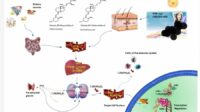
For people living with HIV, immune health can feel like a moving target—shaped by the virus, influenced by nutrition, and stabilized (to varying degrees) by antiretroviral therapy. Within this complex landscape, vitamin D has drawn steady attention. Not as a stand-alone cure, but as an ally that may help the immune system respond with greater orchestration and less collateral noise. The story of vitamin D and HIV is not linear; it is a mosaic of mechanisms, observational patterns, clinical trials, and practical considerations that together outline what readers can realistically expect.
Why Vitamin D Matters to an Immune System Under Strain
Vitamin D is best known for calcium regulation, yet its immune role is where the intrigue deepens. Immune cells—including T lymphocytes and antigen-presenting cells—express vitamin D receptors. When activated, vitamin D can nudge these cells toward a calmer, more efficient phenotype. This matters in HIV because chronic immune activation can persist even when viral replication is suppressed. Think of it as reducing unnecessary alarms that keep the body stuck in a perpetual “on edge” mode.
One pathway involves the modulation of inflammatory cytokines, small molecular messengers that can either coordinate defenses or escalate damage. Vitamin D may also influence the integrity of epithelial barriers, adding another layer of protection in the gut and respiratory tract—sites where immune dysregulation often leaves footprints.

Vitamin D Deficiency: A Common, Overlooked Complication
Low vitamin D levels are frequently observed in people living with HIV, influenced by factors such as limited sunlight exposure, higher skin melanin absorption, dietary insufficiency, malabsorption, and medication-related changes in metabolism. HIV itself may indirectly worsen the situation through systemic inflammation and metabolic shifts.
Deficiency is not a quiet issue. It can contribute to fatigue, musculoskeletal pain, reduced functional capacity, and potentially impaired immune regulation. In other words, it may reduce “immune readiness” while failing to deliver the regulatory signals vitamin D helps provide.
Importantly, vitamin D status is usually assessed using serum 25-hydroxyvitamin D. This marker acts as a biochemical ledger of vitamin D availability over time. When levels are low, clinicians often consider supplementation alongside lifestyle and dietary adjustments.
How Supplementation Might Support Antiviral Defense
Vitamin D’s immune support is best understood as a set of probabilistic influences rather than a single dramatic effect. Several mechanisms are repeatedly discussed in the scientific narrative. Vitamin D may enhance innate immune responses—particularly through defensin-like antimicrobial peptides that help neutralize microbial threats. It can also encourage a healthier balance between inflammatory and regulatory pathways, supporting immune tolerance without undermining defense.
For people with HIV, the goal is not merely to “boost” immunity indiscriminately. The immune system requires calibration. Too much inflammatory drive can be damaging; too little can increase vulnerability to infections. Vitamin D’s potential value lies in helping shift the immune tone toward functional equilibrium.
Still, readers should hold a realistic lens: supplementation may improve certain immune markers, yet results can vary depending on baseline vitamin D status, adherence, dosage strategy, and individual physiology.
Evidence From Clinical Studies: Patterns, Not Promises
Clinical research explores whether raising vitamin D levels translates into meaningful outcomes for HIV-positive individuals. Some studies suggest benefits in immune-related parameters or inflammatory profiles. Others show modest or inconsistent effects, which is not uncommon in nutrition science. Randomized trials, observational studies, and meta-analyses often differ in participant characteristics, baseline deficiency rates, and intervention regimens.
A key pattern emerges: when people begin the trial deficient, they may experience clearer improvements after supplementation. Conversely, if baseline levels are already adequate, the “ceiling effect” can blunt measurable changes. This is why clinician-guided assessment and targeted dosing are often emphasized—vitamin D is not a one-size-fits-all supplement.
Another recurring theme involves safety and tolerability. Vitamin D is generally well-tolerated when dosed appropriately. Excessive dosing can risk hypercalcemia, so professional monitoring is prudent—especially for those with kidney disease, granulomatous disorders, or other conditions affecting calcium balance.
Anthropometric and Metabolic Signals: Beyond Immunity Alone
Immune support is only one chapter. Vitamin D supplementation has also been studied in relation to body composition and anthropometric indices—signals that may reflect broader nutritional and metabolic status. Body weight changes, fat distribution, and muscle-related outcomes can matter because HIV management involves sustaining overall health, functional capacity, and resilience against opportunistic complications.
One reason these measures attract attention is that vitamin D status often correlates with lifestyle patterns, activity levels, and dietary intake. When supplementation improves vitamin D levels, it can coincide with or contribute to improvements in metabolic pathways.

What Readers Can Expect: Immune Markers, Symptoms, and Quality of Life
When vitamin D helps, it may show up in subtle ways: changes in inflammatory markers, improved musculoskeletal comfort, better exercise tolerance, or reduced susceptibility to certain infections. Yet these outcomes do not occur uniformly. Some people feel better quickly; others show gradual changes that only become apparent through follow-up labs or functional assessments.
For HIV-positive individuals, symptoms are influenced by many variables—viral suppression status, co-infections, sleep quality, stress, and coexisting conditions such as diabetes or cardiovascular disease. Vitamin D is therefore best framed as an additive support layer, integrated into comprehensive care rather than treated like a standalone intervention.
Expect a narrative of incremental gains. Short bursts of improvement are possible, but the most credible benefits are usually tied to correcting deficiency and maintaining stable sufficiency.
Dosage, Monitoring, and Safety: The Practical Center of Gravity
Supplementation should be individualized. Many clinicians calculate vitamin D needs based on baseline blood levels and risk factors. Common strategies include maintenance dosing once sufficiency is reached and higher “repletion” dosing when deficiency is identified. The exact plan depends on local guidelines, lab results, and patient characteristics.
Monitoring often includes rechecking 25-hydroxyvitamin D after a period of supplementation and assessing calcium when clinically appropriate. This approach prevents both under-treatment and over-treatment. It also respects the physiology of vitamin D: vitamin D status influences calcium absorption, and the body protects itself through feedback loops that can be overwhelmed by excessive dosing.
Readers should also consider drug-food interactions indirectly. Vitamin D is usually safe alongside antiretroviral therapy, but variability exists among medications and metabolic pathways. Therefore, coordination with an HIV care team remains the cornerstone.
Diet, Sunlight, and Lifestyle: Supporting Acts That Still Matter
Supplements can correct deficiencies, but lifestyle influences baseline status. Sunlight exposure can stimulate vitamin D synthesis, yet real-world constraints—geography, weather, work schedules, and skin sensitivity—often limit consistent exposure. Dietary intake provides another route: fatty fish, fortified dairy or plant alternatives, egg yolk, and certain fortified cereals can contribute.
Physical activity also interacts with immune health and vitamin D-related outcomes. Exercise supports musculoskeletal function and can help maintain body composition. For HIV-positive individuals, even modest, safe movement can contribute to overall resilience—particularly when paired with corrected vitamin D levels.
However, lifestyle changes should be framed realistically. Vitamin D is not only about sunlight fantasies; it is about sustained sufficiency supported by nutrition, supplementation, and monitoring.
Special Considerations: When Care Becomes More Nuanced
Some populations require extra caution. People with chronic kidney disease may have altered vitamin D metabolism. Those with conditions that predispose to hypercalcemia need careful selection of dosing and closer lab surveillance. Additionally, adherence matters. Irregular intake can lead to fluctuating blood levels, limiting immune stabilization.
Co-infections and gut health also influence nutrient handling. If malabsorption is present, oral supplementation may still work but could require different strategies or monitoring frequency.
Readers should remember that “more” is not always “better.” A therapeutic approach aims for a stable biochemical plateau—one that supports immune regulation without biochemical turbulence.
Conclusion: A Supportive Strategy in the Broader HIV Care Plan
Vitamin D for HIV-positive individuals is best understood as immune-adjacent support: a means to correct deficiency, potentially improve inflammatory balance, and strengthen the physiological groundwork on which immune resilience depends. The evidence base suggests meaningful benefits for some outcomes, particularly when baseline levels are low, while also acknowledging variability in response.
If there is a single practical takeaway, it is this: vitamin D works best when guided. Testing, individualized dosing, safety monitoring, and integration with antiretroviral therapy create the conditions where vitamin D can act less like a hope and more like a reliable component of immune care.