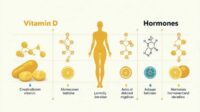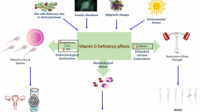
Vitamin D and prenatal vitamins are a well-matched pair, but timing can make the difference between “taken” and “absorbed.” Many people assume any pill schedule is automatically effective. The body, however, is rarely that obedient. Vitamin D behaves more like a hormone precursor than a simple vitamin, and it mingles with fat metabolism, circadian rhythms, and even meal composition. The good news: with a few intentional habits, you can create a schedule that feels effortless and performs reliably.
Why timing matters for Vitamin D inside prenatal routines
Vitamin D is fat-soluble. That means it prefers a setting where dietary lipids are present. When you take it on an empty stomach, absorption can be erratic—sometimes adequate, sometimes disappointingly low. Prenatal vitamins vary widely: some contain vitamin D, others do not. Even when they do, their formula may include minerals that compete for absorption if taken at the wrong time.
Timing also influences tolerance. Iron, often included in prenatals, can cause nausea for some readers. If vitamin D is bundled with iron, you may need a strategy that balances comfort and consistency. Short sentences help here: take it with food, and keep your routine steady.
Check the label: does your prenatal already include Vitamin D?
Before adjusting anything, locate the supplement facts panel. Look for “Vitamin D” and its form (commonly cholecalciferol, also known as D3). If your prenatal already provides a sufficient amount, your main goal becomes alignment—ensuring you take it with the right kind of meal.
If your prenatal lacks vitamin D or provides a low dose, you may plan to add a separate vitamin D capsule or softgel. In that case, your schedule should separate or synchronize doses depending on what else is in your prenatal.

Whether you add extra vitamin D or not, treat the label like a map. Small differences—dose, formulation, and co-nutrients—shape the best timing approach.
Best timing with meals: morning, midday, or evening?
The most dependable rule is simple: pair vitamin D with food, especially meals containing fat. Breakfast often works well because it is a structured anchor. Midday meals are equally effective, particularly if you tend to snack lightly in the morning. Evening can work too, especially when your body is used to digesting larger meals at night.
Pick a time that you can repeat daily. Your absorption strategy thrives on consistency, not experimentation. If you choose morning, consider it a “vitamin rendezvous” with your breakfast. If you choose evening, connect it with dinner or a balanced supper.
Some readers notice that prenatals taken at night feel gentler on the stomach. Others find the opposite. Listen to your body, but keep your schedule stable for at least a couple of weeks so you can judge effects fairly.
How to coordinate separate Vitamin D doses with prenatal vitamins
If you take vitamin D separately, you’ll want a cohesive cadence. One common approach is to take vitamin D at the same time as your prenatal—if both are tolerated and the meal is reasonably balanced. This reduces decision fatigue and supports routine.
However, if your prenatal includes calcium and iron, and your added vitamin D is taken on a different schedule, aim to avoid simultaneous high-competition dosing. Calcium can interfere with absorption of iron. Vitamin D won’t necessarily compete in the same way, but minerals often share transit pathways and may affect overall uptake indirectly.
A practical pattern looks like this: take prenatal vitamins (with iron) at one time, and take extra vitamin D with a meal that is not heavy in calcium supplements. If you take a separate calcium tablet, schedule it away from iron-containing doses. Short version: avoid stacking everything at once.
Managing absorption conflicts: minerals, antacids, and fiber
Prenatal vitamins often include calcium, iron, and sometimes magnesium and zinc. Iron is sensitive to the intestinal environment. Antacids and acid-reducing medications can reduce iron absorption for some people. Fiber supplements can also blunt mineral uptake by binding or accelerating transit.
Vitamin D, while fat-soluble, can still be influenced by gut conditions. If you take bile acid binders, cholesterol medications, or frequent antacids, ask a clinician for timing guidance. The goal is not panic; it’s precision.
If you use a high-fiber supplement, consider separating it from your prenatal by a few hours. If you rely on antacids, try to keep prenatal dosing at a different interval. These adjustments can feel like “micro-surgery” for your routine, yet the payoff can be substantial.
What “with fat” really means: choose meals thoughtfully
You do not need extravagant meals. You do need the presence of dietary fat. Think: yogurt with fruit, eggs with toast, avocado on whole-grain bread, or a small drizzle of olive oil on vegetables. Even modest fat content can help vitamin D ride into absorption pathways more efficiently.
Readers often assume fat means “heavy.” It doesn’t. A teaspoon of olive oil, a tablespoon of nut butter, or a serving of full-fat yogurt can nudge the body toward better uptake.
If you’re nauseated in pregnancy, you may not tolerate certain foods. Choose what you can actually eat consistently. A small amount of fat you tolerate beats a perfect plan you abandon.
Consistency versus variability: the weekly rhythm strategy
Some people take prenatal vitamins as soon as they remember—sometimes daily, sometimes missed for two days. Vitamin D and prenatals behave better with a stable rhythm. Your body doesn’t treat missed days like a moral failure, but the supplement’s benefits generally accumulate with regularity.
If you forget occasionally, resume the next dose rather than trying to “catch up” with double dosing. This is especially important with fat-soluble vitamins. The safest tactic is regularity: a predictable time, a predictable meal, and a predictable routine.
Long sentences can be comforting here, because the plan is straightforward: pick a consistent time window and attach it to a habitual meal.
Special timing considerations: nausea, reflux, and constipation
Pregnancy can make digestion unpredictable. Nausea may make morning dosing difficult. Reflux may worsen after large meals. Constipation may make you resent any supplement that seems to “clog” things further.
If nausea hits hardest in the morning, try taking your prenatal later, after a small snack first. If reflux is common, avoid taking your pills right before lying down. Take them earlier in the evening and keep an upright posture for a short period.
For constipation, hydration and fiber matter, but fiber supplements may interfere with mineral absorption. Balance timing: keep fiber and supplements separated by a few hours, and prioritize food-based fiber.
How to know if your schedule is working
“Working” can mean different things. Some readers rely on how they feel—fewer symptoms, better energy, less nausea. Others rely on lab markers. Vitamin D status is assessed with a blood test measuring 25-hydroxyvitamin D. Prenatal nutrients can also be monitored depending on clinical history.
If you have previous deficiency, limited sun exposure, darker skin pigmentation, higher body weight, or malabsorption concerns, you may need more structured oversight. In those cases, timing plus dosing may be tuned using clinician guidance.
Your schedule is a hypothesis. Labs turn it into evidence.
Common mistakes to avoid
Several timing errors recur across routines. One is taking vitamin D at bedtime on a fully empty stomach. Another is taking prenatals right alongside calcium supplements or iron-binding agents. A third is inconsistent scheduling—remembering only when the bottle is in sight.
Another mistake is skipping meals entirely to “take supplements faster.” Supplement absorption doesn’t reward speed. It rewards conditions: food, fat presence, and mineral compatibility.
Finally, do not stack doses to compensate for missed days. A deliberate schedule is safer than an improvised one.
Putting it all together: a practical timing blueprint
Here is a cohesive routine many readers can adopt. Choose a daily meal that reliably includes some fat. Take your prenatal with that meal, ideally at a consistent time. If you add extra vitamin D, take it with the same meal or with a separate meal that still contains fat. Keep iron and calcium separated if you also take calcium supplements. Separate prenatal timing from high-fiber supplements and antacids if needed.
Repeat the rhythm. Keep your schedule simple enough to survive busy days. Small adjustments—meal pairing, spacing from competing minerals, and consistency—can transform vitamin D from a pill you swallow into a nutrient your body can genuinely use.