You can buy a vitamin D supplement, swallow it like a sealed promise, and still feel like your body never received the memo. The irony is almost storybook: the pill is the messenger, but the courier can’t cross the river. Vitamin D is fat-soluble—it travels through lipid highways. If you skipped the fat, you may have left the messenger standing at the border, passport stamped, but no way to enter.
Vitamin D: A Fat-Soluble Key, Not a Water-Borne Signal
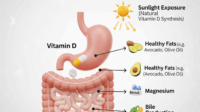
Think of vitamin D as a key designed for a lock that isn’t made of water. It prefers fatty terrain. When you take it without any accompanying dietary fat, absorption can fall short, as though the key has grooves that don’t align. Your digestive system is not just a container—it’s a choreography of enzymes, bile secretion, and micelle formation.
Micelles are tiny lipid parcels that package fat-soluble vitamins so they can be escorted through the intestinal wall. Without enough dietary fat, those parcels may be scarce. The result can be underwhelming blood levels and a lingering sense that the supplement is “doing nothing.”

Why “You Skipped the Fat” Can Quietly Sabotage Absorption
Many people take vitamin D on an empty stomach or alongside meals that are nearly fat-free—think oatmeal with skim add-ons, fruit-only breakfasts, or “light” lunches designed to feel virtuous. Even if that meal is nutritionally clean, it may not contain enough lipid substrate to help vitamin D hitch a ride.
Fat digestion also relies on bile, and bile production is stimulated by food intake, especially fat. When the meal contains minimal fat, your body may produce less bile than it would otherwise. It’s not dramatic, but it’s pivotal. Over time, small absorption deficits can accumulate into a noticeable functional gap.
Try picturing vitamin D as a diver. Without a supportive medium, the dive is clumsy; with the right conditions, it becomes precise. Dietary fat provides that medium.
The Meal Matters: Timing, Composition, and the “Right Partnership”
Timing is more than schedule—it’s synchronization. Taking vitamin D with a meal that includes some healthy fats can improve absorption. This doesn’t mean you need a heavy, greasy plate. Rather, you want a meal component that signals your digestive machinery to gear up.
Consider pairing your supplement with a breakfast like Greek yogurt (or full-fat yogurt if tolerated), eggs, salmon, avocado, or olive oil-based dressings. If you prefer a plant-forward approach, coconut milk, tahini, olive oil, and nuts can work as allies.
Short sentence, long consequence: a capsule is small, but absorption is architectural.
Genetics and Transport Proteins: When the Same Dose Feels Different
Not everyone metabolizes vitamin D with the same efficiency. Your body uses transport proteins to move vitamin D metabolites through circulation. If your genetics influence those transport pathways, a dose that works for one person may underperform for another.
This is where the narrative becomes personal. You might follow every “supplement rule” and still see uneven results—because the body’s internal logistics system isn’t identical across individuals. Some people naturally maintain better vitamin D status; others require more careful dosing strategies or more consistent absorption conditions.
This doesn’t mean you’re doomed; it means you’re unique. Like a key cut to a slightly different pattern, your vitamin D needs might demand a different fit.

Choosing the Form: D3 vs. Other Options and the Metabolic Detour
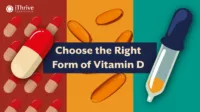
Vitamin D supplements aren’t all the same. Many products use vitamin D3 (cholecalciferol), which is often preferred for raising vitamin D status more effectively than some alternatives. Yet even within vitamin D3, formulation differences exist—capsule size, oil base, and how the supplement is delivered can influence how smoothly it integrates with your digestive process.
Some people also respond better to liquid or soft-gel formats, particularly when absorption hinges on lipid transport. If your diet already supplies fat inconsistently, a supplement format that integrates well with dietary lipids can be an important nuance.
In other words: the pill is the story’s cover; the ingredient form is the plot twist.
Dose and Consistency: The Slow Arc of Vitamin D Repletion
Vitamin D works on a timetable. It’s not a quick-flare effect; it’s a steady reconstruction project. If you take a supplement occasionally—skipping weekends, forgetting weekdays, or pausing when motivation fades—your vitamin D levels may never stabilize.
Consistency matters because vitamin D status is both built and maintained. It can take weeks to see changes after starting or adjusting supplementation, especially if baseline levels are low.
Try to view dosing like watering a plant. You can’t measure growth by one sprinkle. You measure it by the rhythm.
Signs It Isn’t Working: When Your Body Keeps Whispering
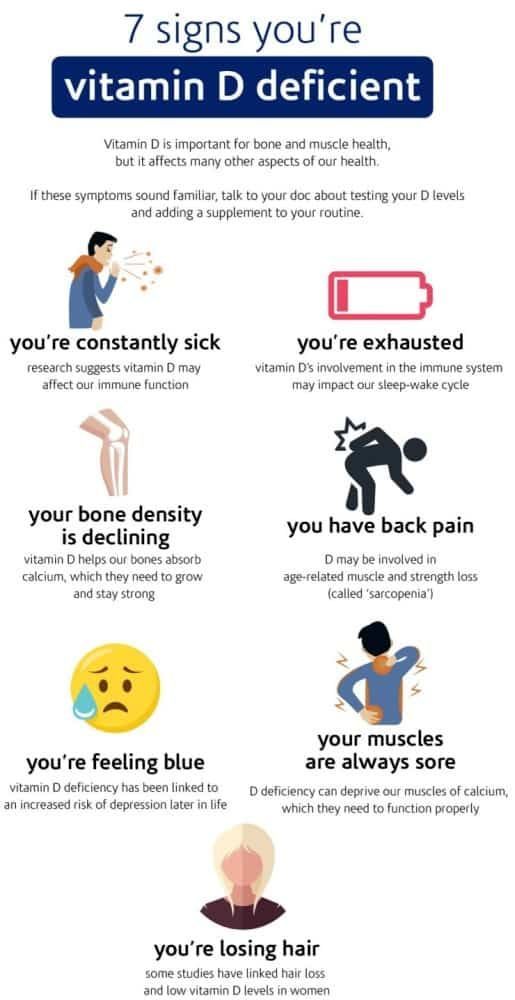
Vitamin D insufficiency can masquerade as general fatigue, low resilience, frequent aches, mood changes, or lingering recovery times after exertion. These symptoms aren’t exclusive to vitamin D, but they can form a pattern—especially when combined with low sun exposure, indoor living, darker skin pigmentation, or dietary gaps.
Don’t chase symptoms in isolation. Use them as breadcrumbs. If your body hints at deficiency, the most actionable move is checking blood levels—because intuition can be persuasive, but lab data is precise.
Testing and Adjustment: Treat It Like Data, Not Drama
Once you suspect your supplement isn’t working, treat the solution like a controlled experiment. Measure your 25(OH)D level (and follow clinician guidance for what “optimal” means for you). If levels don’t rise as expected, adjustment may involve dose, timing, supplement form, or—often overlooked—food pairing.
It’s tempting to repeat the same ritual and hope for a different outcome. But absorption is governed by biology, not wishful thinking. When you change one variable at a time—like pairing the supplement with a fat-containing meal—you can discover what truly moved the needle.
Practical Strategies: A Simple Script for Better Absorption
Here’s a grounded approach you can start today. Take vitamin D with your largest meal. Include a modest source of fat—olive oil, avocado, eggs, nuts, or salmon. Keep the timing consistent so your body learns the routine. Avoid taking it with a near-zero-fat snack unless you’re using a formulation designed to compensate.
If you’re intermittent fasting or prefer lighter meals, plan a “fat anchor” component. Think of it as adding a small bridge for the vitamin to cross.
And if you’ve already been doing all this and still aren’t seeing results, that’s not failure. That’s information. Your next move is to adjust strategically with testing and individualized guidance.
The Bottom Line: Don’t Just Take Vitamin D—Host It
Your supplement isn’t simply swallowed; it’s hosted. Vitamin D needs an environment—lipid-rich conditions, consistent timing, and the biological machinery that helps it travel. Skipping fat can turn a helpful pill into an expensive bystander.
When you pair vitamin D with the right meal, the story changes. The river is crossed. The key turns. And the body finally receives the signal it’s been waiting for.