Have you ever caught yourself shrugging at two very different complaints—hair thinning in the mirror and a stubborn ache in your back—only to wonder if they’re somehow related? Here’s the playful challenge: what if the culprit isn’t your pillow, your posture, or that “stressful season,” but something quieter and far more sneaky? In many people, a silent vitamin D deficiency doesn’t announce itself with dramatic fanfare. It lingers. It mutters through symptoms that look like unrelated annoyances. And when the body is running low on this essential nutrient, the results can feel strangely mismatched—fatigue, hair loss, musculoskeletal discomfort, and a general sense of “something’s off.” Let’s untangle the clues.
Vitamin D: The Unseen Multitasker Behind Hair and Muscles
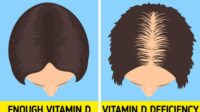
Vitamin D is often treated like a sunshine accessory, but it behaves more like a hormone-like regulator. Your body uses it to coordinate calcium absorption, support neuromuscular function, and influence immune regulation. That’s already a big deal for bones and muscles. But it also intersects with follicle cycling—yes, the rhythm of hair growth. When vitamin D levels drop, the body may struggle with the maintenance work that keeps hair shafts healthy and scalp environment stable.
Think of vitamin D as a backstage conductor: it doesn’t perform on stage, but it directs the timing. When the signal weakens, performance can wobble—one of those wobble effects is increased shedding or gradual thinning. Another is how your body handles strain and recovery, which can make back pain feel more persistent than it “should” be.

Fatigue Hair Loss: When Low Energy and Shedding Share a Passport
Fatigue is the kind of symptom that can be dismissed too quickly. It blends into busy days, sleepless nights, and “I’m just tired” conversations. Yet persistent tiredness—especially when paired with hair changes—can signal that the body is not functioning at full metabolic capacity. Low vitamin D may contribute to reduced energy and a general sluggishness. The connection to hair loss may be indirect, but it’s still relevant.
Hair loss has many possible causes: genetics, thyroid issues, iron deficiency, stress-related telogen effluvium, and scalp inflammation. But vitamin D deficiency can add fuel to the fire by impairing follicular health and immune balance in the skin microenvironment. If your shedding seems more diffuse than patchy—like an all-over decrease in density—that pattern can resemble vitamin-related disruption.
Ask yourself: Are you also experiencing low mood, muscle aches, or frequent “heavy body” sensations? Those overlap points matter.
Back Pain That Won’t Take the Hint: How Vitamin D Impacts the Musculoskeletal System
Back pain is often framed as posture, lifting mechanics, or desk ergonomics. Those factors absolutely matter. But vitamin D deficiency can amplify the discomfort by weakening the system that stabilizes movement.
Vitamin D supports calcium homeostasis, which is crucial for muscle contraction and skeletal integrity. When vitamin D is low, muscles may feel weaker, tighter, or less coordinated. Some people describe it as an ache that arrives without clear injury. Others notice that recovery takes longer—so the discomfort lingers after activity rather than resolving.
It’s not that vitamin D “causes” every backache. It’s that it may lower the threshold for pain to become noticeable. You might notice symptoms after walking, standing, or stretching—sometimes with a vague, diffuse soreness rather than a sharp, pinpoint injury.

The Common Pattern: Silent Deficiency Symptoms That Look Like Normal Life
Vitamin D deficiency has a talent for disguising itself. It rarely arrives with a single neon sign. Instead, it clusters symptoms that can easily be chalked up to everyday stress.
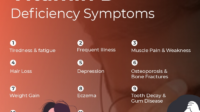
Common clues include:
- Fatigue that doesn’t improve with sleep alone
- Hair thinning or increased shedding
- Muscle aches, especially in the back, hips, or thighs
- Bone discomfort or a heightened sensitivity to movement
- Frequent infections or immune wobble
- Low mood or a “gray weather” internal feeling
When these appear together, the pattern becomes less random. The body may be indicating a nutritional gap that’s not being addressed through diet alone.
Who’s Most at Risk? The “Not Enough Sunshine” Equation
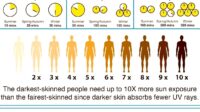
Vitamin D is synthesized in the skin when exposed to sunlight. So deficiency risk rises when sunlight exposure is limited—or when skin synthesis is less efficient. Some groups are more vulnerable:
- People living in regions with low winter sunlight
- Those who spend most days indoors
- Individuals with darker skin pigmentation (higher melanin reduces synthesis)
- Older adults, whose skin production can be less efficient
- People who regularly use sunscreen for long periods (sunscreen is protective, but it can reduce vitamin D synthesis)
- Individuals with malabsorption issues (certain GI disorders) or those taking specific medications
Even if you eat well, a vitamin D gap can still happen. This is where the challenge becomes real: nutrition can be excellent and still vitamin D can be low.
How to Confirm It: Testing and What to Ask For
The most dependable way to evaluate vitamin D status is a blood test—typically measuring 25-hydroxyvitamin D (25(OH)D). If fatigue, hair loss, and back discomfort are in the same orbit, it’s reasonable to request a vitamin D assessment alongside other relevant labs.
Clinicians often consider additional tests depending on symptoms. For hair loss, they may check ferritin (iron stores), thyroid function, and sometimes complete blood count. For musculoskeletal pain, they might also evaluate calcium, magnesium, and inflammation markers if warranted.
Testing matters because symptoms overlap with many conditions. A “vitamin D fix” is powerful only when the deficiency is real.
Playful Detour: Could It Be Something Else—And Why That’s Okay?
Let’s keep the question playful, but the approach smart: What if it’s not vitamin D? That possibility doesn’t undermine you—it guides you. Hair loss and back pain have overlapping symptom patterns across different causes. Stress can trigger shedding. Iron deficiency can mimic “nutrient malaise.” Thyroid imbalance can disturb both energy and hair texture. Posture and core weakness can maintain a persistent ache. Inflammation and autoimmune processes can also be involved.
The goal isn’t to blame vitamin D for everything. The goal is to treat the body like a detective story. You gather clues, you test the most likely leads, and you avoid guessing in the dark.
Supporting Recovery: Food, Sunlight, and Supplement Strategy
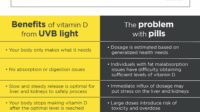
Once deficiency is confirmed—or strongly suspected—supporting vitamin D can be approached from multiple angles. Food sources include fatty fish (salmon, sardines), fortified dairy or plant milks, egg yolks, and certain fortified cereals. However, dietary intake alone often isn’t enough to correct a low blood level quickly.
Sunlight exposure can help, but it must be balanced with skin cancer risk and personal skin sensitivity. A practical approach is to discuss a safe exposure plan with a clinician, especially if you have a history of skin issues.
Supplementation may be appropriate, but dosing should be individualized. Vitamin D can be taken daily or weekly in certain regimens, but the “right amount” depends on your baseline level, body weight, absorption factors, and whether you’re correcting a deficiency or maintaining normal stores. The safest strategy is to follow a clinician’s guidance and re-test after a period of supplementation.
In the meantime, pair supplementation with muscle-supportive habits: gentle mobility, adequate protein, hydration, and sleep consistency. Small changes can feel like tiny gears that bring the whole machine back into alignment.
When to Seek Medical Help Immediately
Most symptom cases are not emergencies, but some situations deserve prompt evaluation. Seek care sooner if you experience:
- Rapid or sudden hair loss with scalp redness, pain, or sores
- Severe back pain with numbness, weakness, or trouble walking
- Unexplained weight loss, persistent fever, or night sweats
- Signs of significant anemia (extreme shortness of breath, palpitations, marked weakness)
When the body feels urgent, it’s not being dramatic—it’s being informative.
Closing Reflection: The Quiet Clue You Can Actually Act On
If fatigue, hair thinning, and back pain are cropping up as a recurring trio, don’t treat them as separate mysteries. Consider the possibility of a silent vitamin D deficiency—an issue that can influence both follicle health and musculoskeletal function. The most empowering move is simple: verify with a blood test, explore related labs when appropriate, and build a targeted plan for restoration.
And remember the playful challenge? The real twist is that your body often tells the truth quietly. Your job is to listen closely enough to notice the pattern.