Ever notice how your hair seems to misplace its confidence the moment menopause arrives? One season it’s bouncy and resilient; the next, it feels thinner, a little lackluster, and—if you’re being honest—a bit less cooperative. And then, like an unexpected guest at a dinner party, Vitamin D enters the conversation. Could it be more than coincidence? Let’s explore the intriguing—sometimes frustrating—connection between menopause and hair thinning, with Vitamin D at the center of the storyline.
Menopause’s Hair Plot Twist: What Actually Changes
Menopause is not a single event. It’s a shifting hormonal landscape. Estrogen and progesterone gradually ebb, and the body recalibrates its rhythm. Hair follicles—those tiny factories responsible for growth—can become less efficient during this transition. The growth phase of the hair cycle may shorten, while shedding can seem to increase. The result is often a gradual thinning rather than dramatic bald patches.
But thinning isn’t just about number. Texture can change. Some hair may feel finer. Some may lose its volume. And the scalp can become more visible, particularly along the part line. It’s a subtle transformation that can feel oddly personal.
So here’s the playful challenge: if you could ask your scalp one question, it might be, “Why now?” The answer often involves more than hormones alone.
Enter Vitamin D: The “Non-Negotiable” Nutrient for Follicle Function
Vitamin D is often framed as a “bone vitamin,” but in reality it behaves more like a signaling molecule. It influences immune function, inflammation regulation, and cell growth. Hair follicles contain Vitamin D receptors, suggesting the nutrient participates in follicular biology rather than merely supporting general health.
When Vitamin D status is low, the environment around the hair follicle can become less hospitable. That can manifest as slower growth, increased vulnerability to shedding, or a higher likelihood of inflammatory scalp conditions that further disrupt the hair cycle.
Think of Vitamin D as a backstage conductor. Hair can still perform—but without proper cues, the show becomes less synchronized.
Why Menopause May Raise the Risk of Vitamin D Insufficiency
Vitamin D insufficiency is common across many age groups, and menopause can amplify that risk. Several factors may be at play: reduced outdoor exposure, changes in skin production efficiency over time, dietary patterns that don’t reliably include Vitamin D-rich foods, and absorption variability.
Additionally, certain individuals find that fatigue and joint discomfort make sunlight outings less appealing, even though the body benefits from regular exposure. If you’re busy, cautious, or simply spending more time indoors, Vitamin D levels can drift downward.
The difficulty is that low Vitamin D can be stealthy. It rarely arrives with obvious alarms. Instead, it’s often discovered through a lab test after symptoms start stacking up—mood changes, aches, low resilience, and yes, hair that seems to thin.
The Hair Cycle Connection: From Growth Phase to “Underwhelming” Volume
Hair follows a cycle: an active growth phase (anagen), a transitional phase (catagen), and a resting/shedding phase (telogen). Menopause-associated hormone changes can nudge this cycle toward less growth time. When that happens, you may notice slower regrowth and more persistent shedding.
Vitamin D may influence this process by supporting follicular regulation and mitigating inflammatory signaling. While Vitamin D alone doesn’t explain every case of thinning, it can act as a contributing factor—especially when levels are already low. In such scenarios, the hair’s “builder mode” can weaken.
In plain terms: if the body has fewer resources and less signaling support, hair follicles may struggle to maintain density.
Inflammation, Scalp Health, and the Hidden Role of Immune Signaling
Not all hair thinning originates from hormones alone. Scalp inflammation can complicate the story. Conditions such as androgen-sensitive patterns, telogen effluvium, or inflammatory dermatoses can overlap during midlife. When inflammation is elevated, hair follicles may spend more time in a compromised state.
Vitamin D’s immunomodulatory reputation is relevant here. It helps regulate aspects of immune response and inflammatory pathways. If Vitamin D is insufficient, inflammatory balance may tip, and the scalp microenvironment may become less favorable for follicular health.
This is where the narrative becomes unexpectedly nuanced. Two people can both experience menopause-related thinning, yet their scalp environment—and therefore their response to interventions—may differ significantly.
Spotting the Patterns: Thinning vs. Hair Shedding
Before you rush into supplements, it helps to distinguish between thinning and shedding. Thinning often means reduced density over time, frequently with a broader visible scalp. Shedding may involve noticeable hair in the shower or on pillows, sometimes triggered by stress, illness, medication changes, or hormonal shifts.
Menopause can include both. Some individuals report a “gradual thinning with intermittent shedding.” Others notice a sharper increase in shed hairs for a period, followed by slow recovery.
If you observe widening part lines, decreased ponytail volume, or overall fineness, thinning may be predominant. If you see sudden surge shedding, that may point to a cycle shift. Either way, the Vitamin D connection becomes one element worth evaluating.
Testing for Vitamin D: When Curiosity Becomes a Plan
Because symptoms overlap with many causes—iron deficiency, thyroid changes, stress-related shedding, and pattern hair loss—testing can clarify the picture. A clinician can order a Vitamin D lab measurement, along with related evaluations when appropriate.
Testing is particularly useful if your diet is inconsistent, you rarely go outdoors, you have darker skin pigmentation, you wear sun-protective clothing most days, or you’ve had gastrointestinal issues affecting absorption. In those cases, low Vitamin D can be more likely.
Consider this the “detective work” chapter. The goal isn’t panic. It’s precision. Hair responds best when interventions match the underlying mechanism.
Supplements and Safety: A Measured Approach
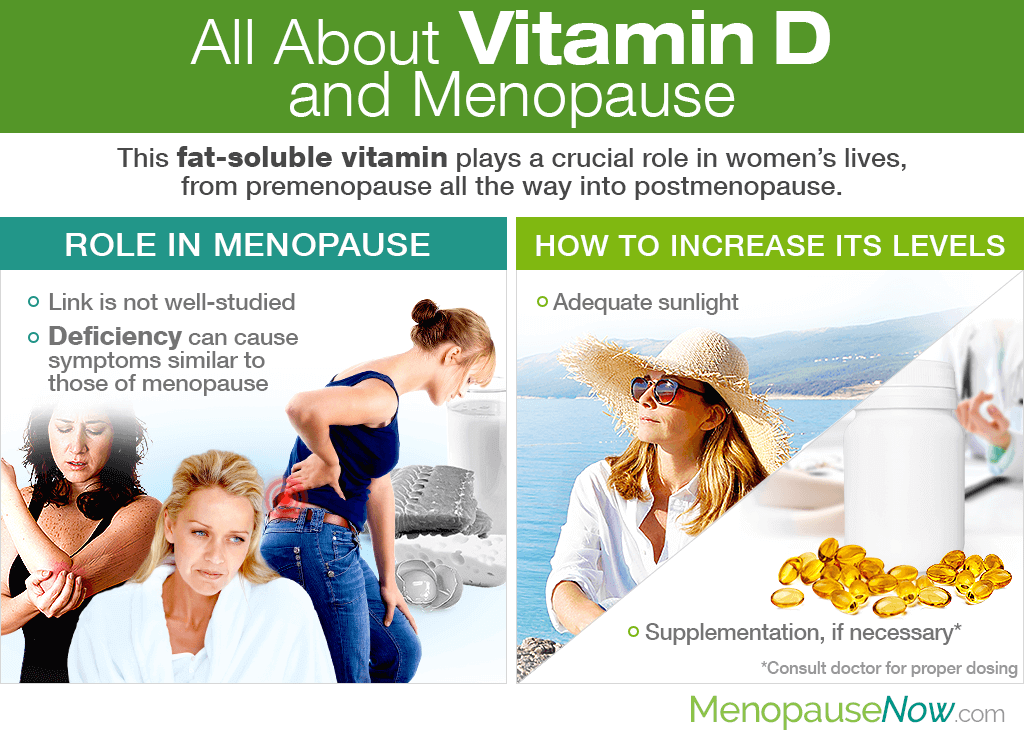
If Vitamin D levels are low, supplements are often considered. The key word is measured. Vitamin D is fat-soluble, meaning it can accumulate if taken in excessive amounts. That’s why clinician-guided dosing or lab-informed decisions are important.
Short-term, high-dose strategies are sometimes used under supervision, but self-prescribing megadoses can backfire. Symptoms of excessive Vitamin D may include nausea, constipation, weakness, and confusion due to elevated calcium levels.
Think of supplementation like seasoning: effective when used thoughtfully, troublesome when overdone.
Food and Lifestyle: Supporting the Nutrient in Everyday Ways
Vitamin D can come from dietary sources, although it’s often difficult to achieve optimal intake through food alone. Fatty fish (like salmon or sardines), egg yolks, and fortified dairy or plant alternatives can contribute. Pairing these foods with overall protein sufficiency helps hair build and repair.
Lifestyle matters, too. Gentle sun exposure—when safe and appropriate—can support Vitamin D synthesis. Outdoor walks may sound almost too simple, but routine exposure adds up.
Meanwhile, hair care practices can reduce additional stress. Avoid harsh traction styles. Minimize heat damage when possible. Use scalp-friendly cleansing and consider a targeted approach if you suspect dandruff or irritation.
What to Expect: Timelines, Patience, and Hair’s Slow Magic
Hair is not a microwave project. Even when the underlying cause is addressed, visible improvement can take months. The hair growth cycle requires time to reset and regenerate. Many people notice reduced shedding first, followed by gradual thickening and improved volume later.
If Vitamin D insufficiency contributes, correcting it may help create conditions where follicles can perform more effectively. But it may not be the only lever. Hormonal shifts, genetic predisposition, iron status, and scalp health all deserve attention.
So the challenge becomes a different question: “How can I support my follicles holistically while I wait for the slow magic?”
When to Seek Professional Guidance
If thinning is rapid, patchy, accompanied by scalp pain or redness, or associated with other systemic symptoms, professional evaluation is wise. Dermatologists and healthcare providers can differentiate between pattern hair loss, telogen effluvium, nutritional deficiencies, thyroid issues, and inflammatory scalp conditions.
Menopause can be the backdrop—but not always the entire script.
A Final Reframe: Less Blame, More Biology
It’s easy to treat hair thinning as a personal failure, like you somehow “missed a memo.” But hair responds to biology—signals, nutrients, inflammation, and hormonal ecosystems. Vitamin D is one of those signals, and during menopause, it may matter more than you’d expect.
If your hair has started acting like it’s in a different story than you are, that doesn’t mean you’re out of options. It means the plot can be examined. Tested. Supported. And ultimately, rewritten with steadier care.