Have you ever wondered why your body feels different when the scale finally starts behaving—yet your supplements don’t seem to “match the mood”? And here’s the playful question: What if the very vitamin D that helps your body run smoothly becomes a moving target as weight falls on Wegovy? When you lose weight, your physiology shifts—fat distribution changes, absorption patterns can alter, and your sun exposure habits may drift without you noticing. That’s where adjusting vitamin D dosage can become both a helpful strategy and a potential challenge. Let’s untangle it carefully, step by step, with the kind of precision your future self will thank you for.
Why Wegovy-Driven Weight Loss Can Change Vitamin D Needs
Wegovy (semaglutide) primarily supports weight reduction by influencing appetite and caloric intake. As weight decreases, your body composition evolves: fat mass may drop, and vitamin D stored in adipose tissue may be released or processed differently. Vitamin D is a fat-soluble vitamin, so its “residence” in the body is not static.
Even if your intake stays the same, your serum levels—25-hydroxyvitamin D, the usual marker—can shift. Some people become more efficient at utilizing vitamin D; others may experience fluctuations that correlate with reduced absorption, dietary changes, or altered routine.
Here’s the catch: you can’t reliably guess the right dosage by intuition alone. The potential challenge is that vitamin D needs can change quietly, while symptoms can be misleading. Fatigue, musculoskeletal aches, and mood changes can stem from multiple causes—sleep, protein intake, electrolyte balance, training volume, or vitamin D. That’s why a “measure, don’t merely assume” approach matters.
Start With Baseline Data: Testing Before Tuning
Before changing your dosage, aim for a baseline lab—typically a blood test for 25(OH)D. This gives you a point of reference. If you’re already on vitamin D and beginning Wegovy, consider testing before dose adjustments and again after a reasonable interval (often several months, depending on clinician guidance).
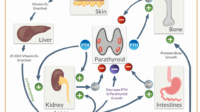
Many people also review related markers such as calcium and sometimes PTH (parathyroid hormone). These help clarify whether your body is converting and utilizing vitamin D appropriately. If your calcium is low, PTH may rise as a compensatory mechanism. If calcium is high, excess vitamin D can be a concern.
Think of lab results as the “map,” not the destination. Without them, you’re driving with the lights off.
Understand the Target Range: “Enough” Isn’t One-Size-Fits-All
Vitamin D targets vary by guideline and clinical context. In practical terms, the goal is to keep levels in a range that supports bone health, muscle function, and immune regulation—without inviting toxicity.
What makes this tricky during weight loss is the possibility of rapid physiological change. If your vitamin D is borderline when starting Wegovy, you might drift lower during a period of appetite changes. If your levels are high already, weight loss might elevate serum availability unexpectedly.
Rather than chasing a number obsessively, focus on stability and safety. A modest adjustment guided by results often outperforms aggressive trial-and-error.
How to Adjust Dosage in a Safe, Methodical Way
Adjustment should generally be gradual. If you’re deficient or insufficient, clinicians may recommend increasing the dosage in measured steps. If you’re at the upper end, they may reduce maintenance dosing or pause high-dose regimens.
Common maintenance strategies often use daily dosing, because it’s steady. However, some people prefer weekly schedules—still steady, just fewer administration moments. The key is consistency and monitoring.
Possible approach concepts (not a substitute for personal medical care):
- Low baseline: increase conservatively and recheck after an interval.
- Borderline levels: consider a small “nudge” rather than a leap.
- High baseline: reduce to maintenance or reassess supplementation altogether.
- Symptoms despite normal labs: investigate other contributors (protein, iron, magnesium, vitamin B12, thyroid, sleep).
Here’s the playful twist: vitamin D dosing is not a volume knob on a speaker—it’s more like calibrating a compass. Turn it slowly, then verify direction.
Weight Loss, Diet Shifts, and Vitamin D Bioavailability
When you’re on Wegovy, your eating pattern may change—less food overall, different meal composition, and potentially less fatty intake. Since vitamin D is fat-soluble, very low-fat diets or consistent reduction in dietary fat can influence absorption.
Additionally, protein intake may rise or fall. Muscle recovery and strength training can be affected, and vitamin D often gets blamed when the real driver is protein adequacy, creatine use, or vitamin C and collagen synthesis pathways.
If you’re adjusting vitamin D dosage, it’s wise to also audit your nutrition. Are you still getting enough dietary fat for absorption? Are your meals regular? Are you taking vitamin D with a meal, ideally one containing some fat? These details can determine whether the “same dose” behaves differently.
Choosing a Form: D3 vs. Other Variants
Vitamin D3 (cholecalciferol) is commonly used because it tends to raise serum 25(OH)D effectively. Some formulations include K2, magnesium, or other cofactors; these can be useful in certain contexts, but they shouldn’t be treated as universal solutions.
When adjusting dosage during weight loss, keep the form consistent if possible. Switching forms makes comparisons harder: one supplement may absorb differently, confounding your lab interpretation.
Consider also the dosing practicality. If daily capsules are forgotten, a weekly plan may provide better adherence. Consistency beats occasional precision.
Timing and Absorption: Make the Dose Work With You
Even a correct dose can underperform if timing is off. Taking vitamin D with a meal can enhance absorption. Many people find it easiest to pair supplementation with breakfast or dinner—habits are sticky.
Absorption can also vary with gastrointestinal factors. If you experience nausea, reflux, or appetite changes on Wegovy, the routine can be disrupted. Short-term interruptions can lower effective intake.
Another subtle variable: sun exposure. If you lose weight and become more active outdoors, you may inadvertently increase vitamin D synthesis. Conversely, indoor routines during weight-loss phases can reduce UV exposure.
In short: dosing is not isolated. It’s braided with behavior.
Recognizing Safety Limits and When to Pause
Vitamin D is fat-soluble, meaning excessive supplementation can accumulate. Symptoms of high vitamin D or hypercalcemia can include nausea, constipation, excessive thirst, frequent urination, confusion, or muscle weakness. These are not “normal adjustment” sensations.
If you have kidney disease, history of kidney stones, sarcoidosis, hyperparathyroidism, or unexplained high calcium, the safety window may be narrower. In such situations, lab-guided dosing is especially important.
During Wegovy weight loss, it’s easy to focus on calories and overlook mineral balance. Yet hydration status, calcium intake, and kidney function all influence risk. If symptoms occur or labs look suspicious, pausing and re-evaluating is often wiser than pushing through.
Sample Monitoring Plan: Recheck, Recalibrate, Repeat
A sensible plan often includes baseline labs, then follow-up testing after a period long enough for vitamin D levels to stabilize. Many clinicians consider follow-up within a few months when making adjustments.
It helps to track more than the vitamin D number. Note changes in sun exposure, dietary fat, protein intake, and strength training. Record how your Wegovy schedule affects meal timing. Even a consistent supplement can act differently if your routine has shifted.
When labs and lifestyle align, adjustments become less speculative and more elegant.
Common Pitfalls: What Trips People Up
The most frequent challenge is “supplementing blind.” Another is changing multiple variables at once—adjusting vitamin D dose while also changing diet composition, workout intensity, and sun exposure. Without structure, lab results become hard to interpret.
People also sometimes confuse vitamin D with magnesium or calcium. Vitamin D supports calcium handling, but it doesn’t substitute for adequate dietary calcium or for magnesium’s enzymatic roles.
Finally, some chase rapid symptom relief and increase dosage too quickly. Vitamin D is not an overnight fix. It’s a slow composer, not a drumline.
Bringing It Together: A Thoughtful, Personalized Strategy
Adjusting vitamin D dosage while losing weight on Wegovy is a balance of measurement, absorption awareness, and safety. Start with baseline labs. Consider related markers. Adjust gradually. Pair supplementation with meals. Recheck after a stabilization window. And treat nutrition and sun exposure as co-authors of your results.
That playful question at the beginning has a practical answer: vitamin D needs can shift as weight changes, but the best “dosage adjustment” comes from data and consistency—not guesswork. When you calibrate thoughtfully, your body gets what it needs, and your routine becomes calmer, not more complicated.