Have you ever noticed how the first sniffle can feel like a tiny invasion—one that somehow always arrives at the worst possible moment? Now imagine if your immune system had better “preparedness” built into its daily routine. That’s where vitamin D steps in. Not with magic, not with hype, but with the steady, biochemical groundwork your defenses need to stay alert. And yes—colds and flu season can be relentless. So here’s a playful question to start: What if your “sunshine strategy” is secretly one of the most effective immune tools you can control?
Why Vitamin D Is the Unsung Architect of Immunity
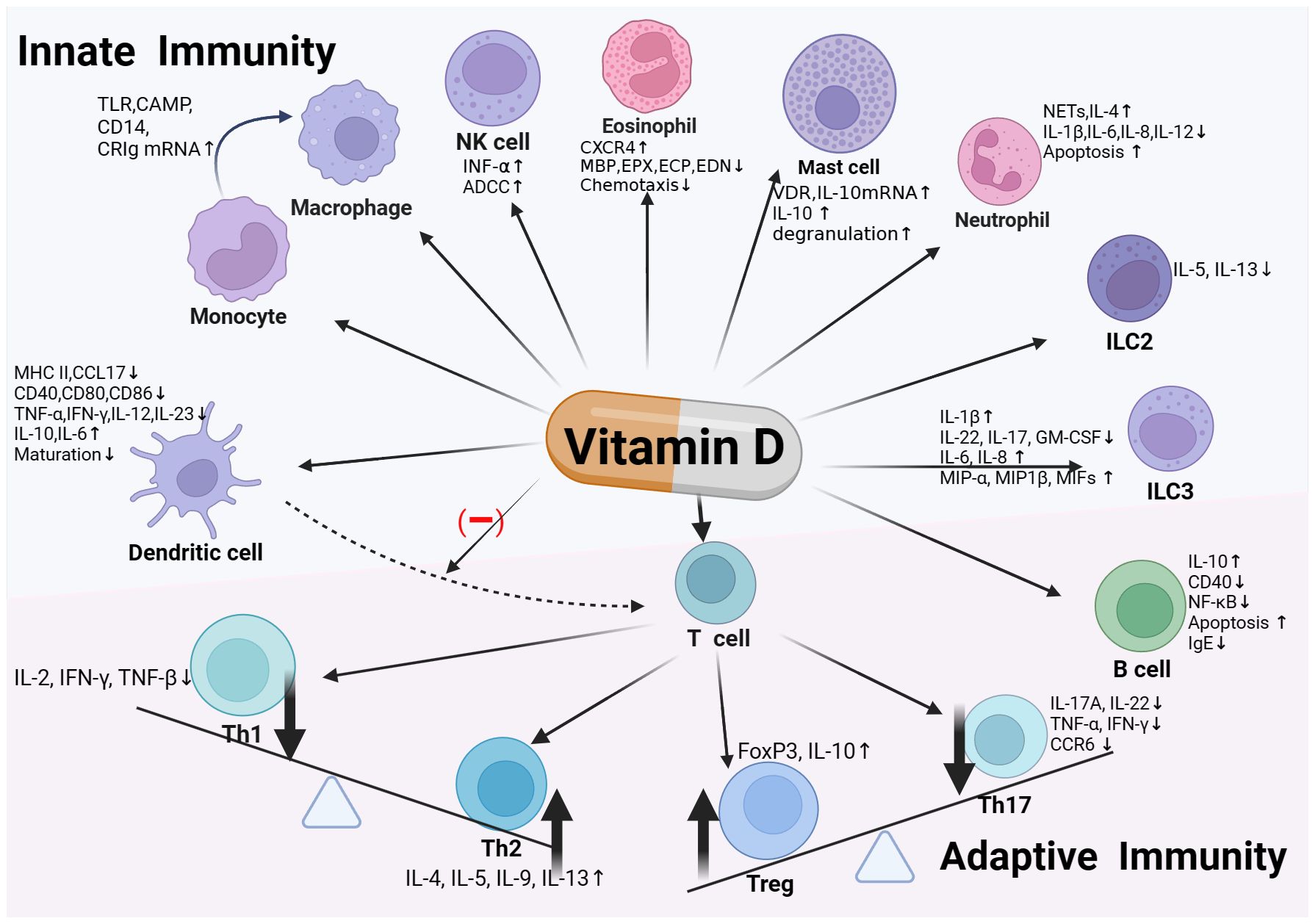
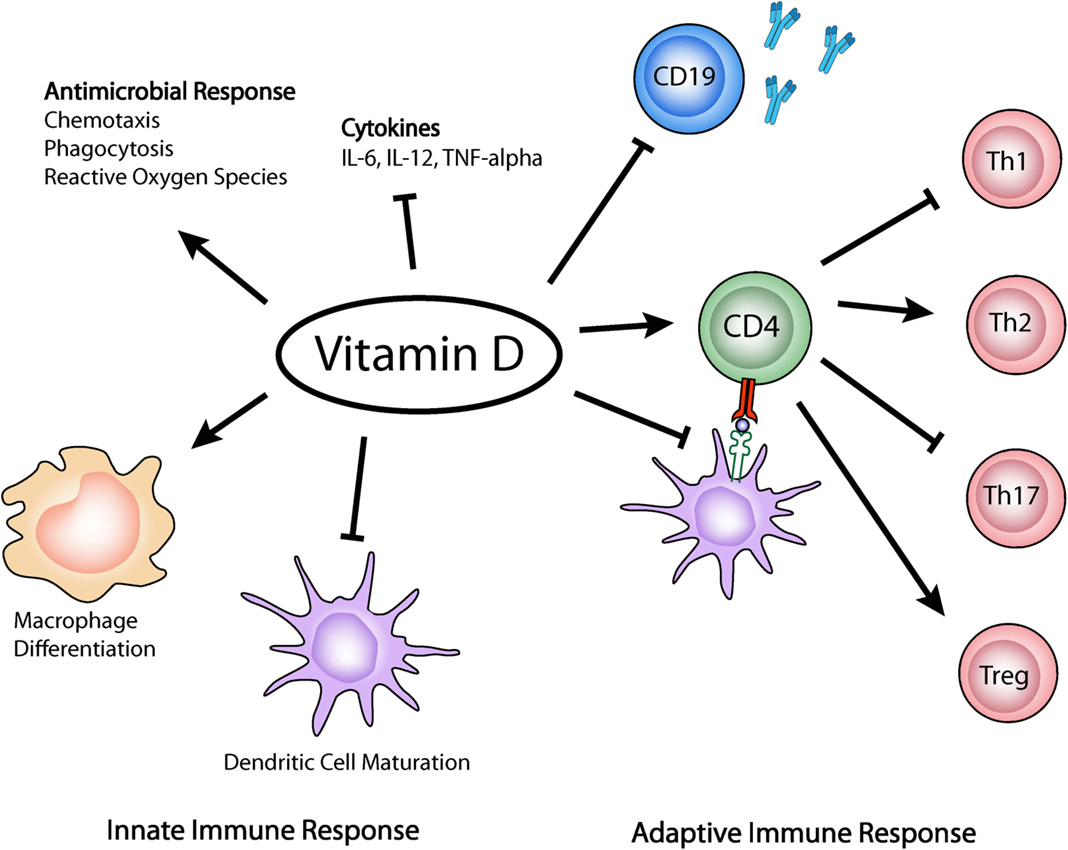
Your immune system is not a single army. It’s a bustling metropolis of cells, signals, and coordinated responses. Vitamin D helps choreograph that response. It influences both innate immunity (your immediate, front-line reactions) and adaptive immunity (your longer-term, targeted defense). When vitamin D status is healthy, immune cells can behave with more precision—less chaotic, more responsive.
Think of vitamin D as an architect rather than a contractor. It doesn’t build the whole house by itself, but it ensures the structure goes up correctly. Without that blueprint, immune signaling can become less efficient. The result? Greater susceptibility when viruses circulate and your body is forced to scramble.
And here’s the potential challenge: many people go through weeks—sometimes months—with low vitamin D, especially during colder seasons, for indoor work, or when sun exposure is limited. Even when you’re sleeping “fine” and eating “okay,” low vitamin D can still quietly undermine your immune readiness.
The Vitamin D–Immune Connection: More Than Skin Deep
Vitamin D is often associated with bones, and yes, it matters for skeletal health. But its immune effects come from its ability to regulate gene expression in immune cells. In plain terms, it helps fine-tune how your body responds to threats. That means vitamin D can support:
• Barrier defense, including the integrity of tissues that act as first-contact zones.
• Antimicrobial activity, helping immune defenses become less passive and more capable.
• Inflammatory balance, which is crucial because excessive inflammation can be as harmful as insufficient defense.
Short sentence, important point: balanced inflammation is a superpower.
Long sentence, equally important: When vitamin D helps regulate immune signaling, it may reduce the “signal noise” that can otherwise lead to exaggerated responses or slower clearance of pathogens.
Colds and Flu Season: The Timing Problem
Colds and flu rarely arrive with an appointment. They slide in through crowded spaces, seasonal viral surges, and close contact. And because immunity takes time to adjust, vitamin D isn’t a last-minute “grab-and-go” solution for a specific day you feel sick. It’s more like maintaining a properly stocked emergency kit.
During winter months, fewer UVB photons reach the skin. That can contribute to declining vitamin D levels just when respiratory viruses are more prevalent. The timing creates a perfect storm: low vitamin D when you need immune efficiency most.
That’s why a proactive approach matters. If you’ve ever said, “I’ll start once I feel rundown,” consider flipping the script. Start before the storm hits. Your body works on slower rhythms than headlines suggest.
Signs You Might Be Running Low (Without Guessing Blindly)
Low vitamin D doesn’t always announce itself with obvious alarms. Some people experience fatigue or muscle aches, but those can also stem from stress, sleep deprivation, low magnesium, or other nutritional gaps. So the real solution is not staring into the sky and hoping for answers—it’s evidence.
If possible, test your vitamin D status (often reported as 25-hydroxyvitamin D). This is the most informative marker for assessing overall vitamin D stores. Then you can tailor intake with fewer assumptions.
Playful challenge time: What if you’re currently “winging it” with supplements or skipping them entirely—simply because you’ve never checked? Testing can convert uncertainty into clarity.
How to Get Vitamin D: Sunlight, Food, and Supplementation
Sunlight is the classic route. UVB exposure triggers vitamin D production in the skin. But latitude, season, skin pigmentation, sunscreen use, cloud cover, and time outdoors all influence the outcome. Even people who “go outside daily” may still have limited effective UVB exposure.
Food can help, though it’s often insufficient alone. Vitamin D sources include fatty fish (like salmon and sardines), fortified dairy or plant milks, fortified cereals, and egg yolks. Still, dietary vitamin D is frequently modest compared to what the body can synthesize.
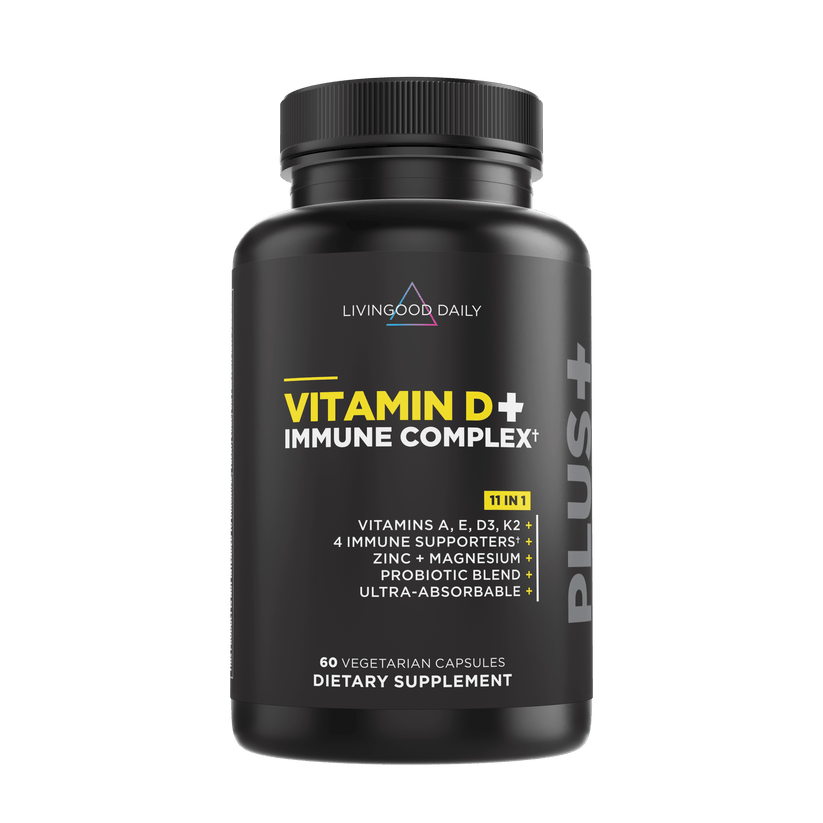
Supplementation becomes especially relevant when sun exposure is limited or blood levels are low. Many people choose vitamin D3 (cholecalciferol), which is widely used for raising and maintaining levels.
Keep in mind: “More” isn’t always better. Vitamin D is fat-soluble, meaning it can accumulate. That’s why dosing guidance should ideally be personalized to your lab results, health status, and clinician advice.
Dosing Smarter: Consistency Beats Panic
When the goal is immunity support, consistency matters more than occasional spikes. A stable intake can support more reliable immune function over time. If you take vitamin D irregularly, your blood levels may fluctuate like a radio signal between stations.
Ask yourself a challenge question: Are you taking vitamin D like a plan—or like a maybe? If it’s a “maybe,” consider building a routine: pairing a supplement with a meal that contains fat can improve absorption.
Also, consider that vitamin D works in a biochemical ecosystem. Adequate magnesium and vitamin K2 may play supporting roles in vitamin D metabolism and utilization. This doesn’t mean you need extreme stacks, but it does mean your body prefers coherence over chaos.
Supporting the Whole Immune Orchestra
Vitamin D is not the lone conductor. Immunity is an orchestra, and many instruments need attention: sleep, hydration, protein intake, micronutrient balance, and stress management. Vitamin D can amplify immune readiness, but it can’t substitute for a lifestyle that supports cellular repair.
Try pairing vitamin D strategy with immune-friendly habits:
• Sleep to regulate inflammatory signaling.
• Adequate protein to maintain immune cell turnover.
• Fruits and vegetables for antioxidant and fiber support.
• Regular movement, which can help immune function and circulation.
Short sentence: Vitamin D sets the stage; your daily habits fill the cast.
When to Be Cautious: Safety, Conditions, and Interactions
Vitamin D is generally safe when used appropriately, but caution is wise for certain populations. Kidney disease, hypercalcemia, or conditions affecting calcium metabolism may require clinician supervision. Also, some medications can interact with vitamin D and calcium balance.
If you take thiazide diuretics, have a history of kidney stones, or are on certain treatments that influence calcium, don’t improvise dosing. Safety isn’t dramatic—it’s practical. Get individualized guidance.
And remember: if you’re considering high-dose supplementation, it’s even more important to verify levels with testing.
Practical, Feel-Good Next Steps
Start small and make it measurable. Choose one action: schedule a vitamin D test, review your sun exposure habits, or adjust supplementation with a meal. Then check progress after a reasonable interval. This is how you transform “immune optimism” into an evidence-based routine.
Now let’s connect back to the opening question. If colds and flu are frequent visitors, wouldn’t it be wise to improve the house before they arrive?
Because the real advantage isn’t avoiding every virus. It’s meeting them with a steadier immune response—one supported by vitamin D and reinforced by healthy fundamentals.