For years, GLP-1 medications were discussed as if they belonged to a single lane: appetite modulation, glycemic improvement, and metabolic recalibration. But the story is widening. Increasingly, vitamin D is entering the conversation—not as an afterthought, but as a potentially synergistic co-actor in the choreography of cardiometabolic health. The future of GLP-1 and vitamin D combination therapies looks less like a simple add-on and more like an evolving, precision-guided strategy. In the coming years, readers will encounter emerging science, practical dosing narratives, and new delivery formats that reshape expectations.
Why GLP-1 Therapy and Vitamin D Are Starting to “Talk” to Each Other
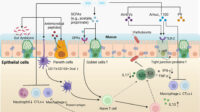
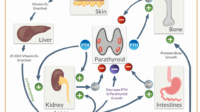
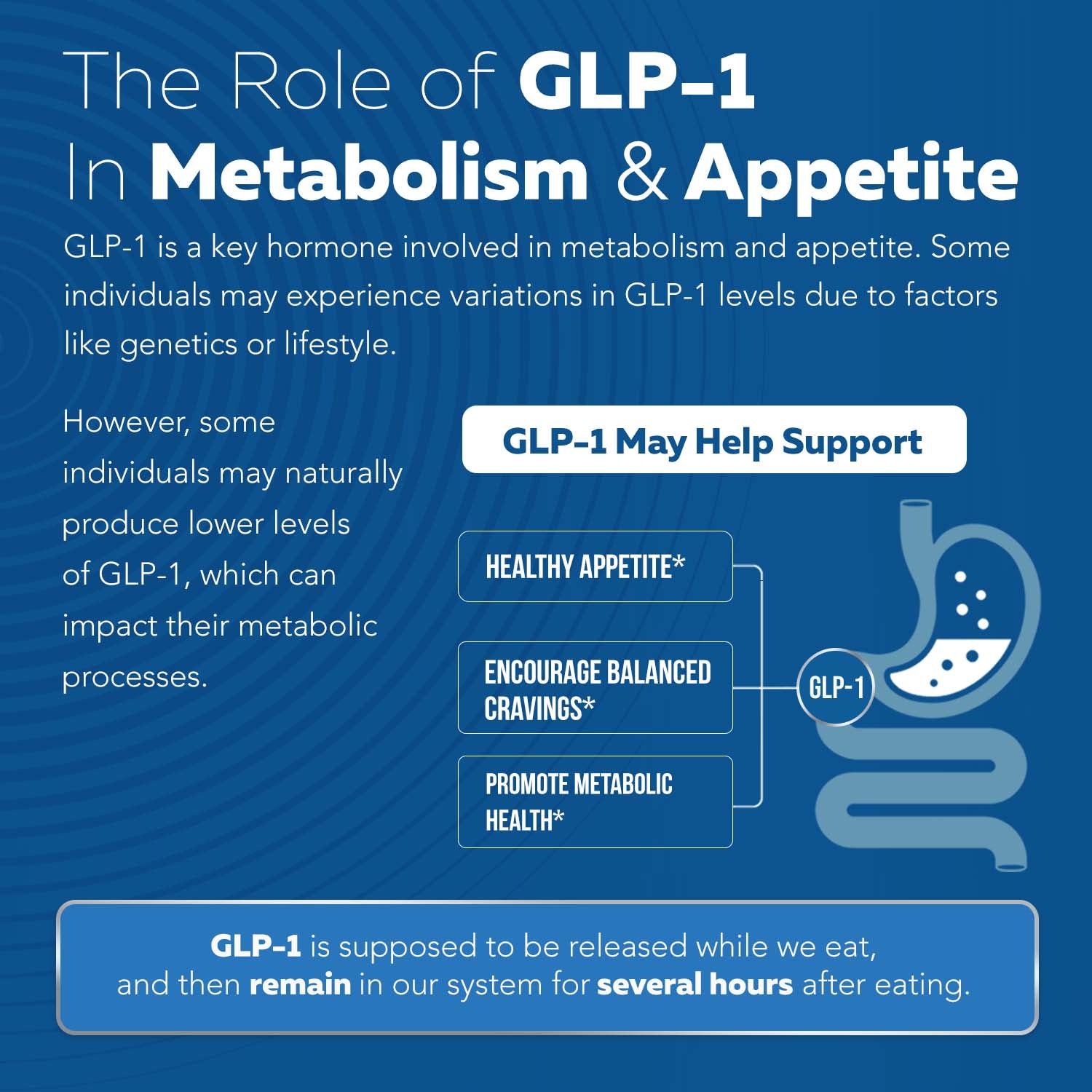
GLP-1 (glucagon-like peptide-1) therapies influence insulin secretion, slow gastric emptying, and nudge satiety signaling through central and peripheral pathways. Meanwhile, vitamin D—often remembered for bone health—acts like a pleiotropic regulator. It has roles in immune signaling, cellular differentiation, and inflammation tone. When these systems intersect, the result can feel like a new kind of metabolic dialogue.
Some researchers view vitamin D status as a modifiable variable that may alter how the body responds to metabolic interventions. Vitamin D deficiency is common globally, and low levels can correlate with insulin resistance markers and inflammatory profiles. If that relationship holds across larger populations, vitamin D could become a foundational “readiness” factor—an upstream variable that supports the downstream effectiveness of GLP-1-centered treatment plans.
In practical terms, the future may involve clinicians asking not only “Which GLP-1?” but also “Which vitamin D level?” A person’s baseline might shape how aggressively therapy is initiated, how closely adverse effects are monitored, and how long maintenance should last. Short sentence, long implication: vitamin D might be the silent interpreter of metabolic signals.
Content Readers Will See: From Mechanistic Stories to Real-World Guidance
As this combination field matures, content will likely branch into multiple narrative layers. First, expect mechanistic explainer articles that translate molecular pathways into understandable sequences—how vitamin D could influence inflammatory cytokines, insulin sensitivity, and smooth muscle behavior. These pieces often read like careful detective work, placing clues side by side until a plausible pattern emerges.
Next come pragmatic guides: “What to test,” “when to test,” and “how to interpret levels.” Readers may find content emphasizing baseline testing for 25-hydroxyvitamin D, and follow-up schedules aligned with therapy milestones. Expect discussion around target ranges, safe upper limits, and the difference between supplementation and true correction of deficiency.
Finally, there will be lived-experience content—patient narratives and clinician commentary focused on adherence, symptom timing, and lifestyle synchronization. Long sentences may unpack the daily realities: the rhythm of meals with GLP-1 dosing, the consistency required for vitamin D, and how hydration, fiber intake, and sun exposure fit into the overall metabolic arc.
Delivery Formats Are Likely to Diversify (Not Just Pills)
Today, vitamin D is often encountered as tablets, softgels, or gummies; GLP-1 therapeutics are typically prescription injections or emerging oral approaches. The future may blur that boundary. Expect more hybrid strategies: structured nutraceutical formulas paired with clinician-guided GLP-1 therapy, or product designs optimized for tolerability and routine compliance.
Several questions will shape what comes next: Can vitamin D be better absorbed when paired with other compounds? Will formulations use enhanced bioavailability technologies? Could co-packaging improve adherence by reducing “therapeutic friction”—that small but consequential gap between intention and daily execution?
In other words, the future isn’t only about drugs. It’s about orchestration. A therapy plan that reduces missed doses and improves absorption efficiency may be as important as the molecule itself.
What the “Vitamin D” Part Might Look Like: D2, D3, and Strategic Targeting
Not all vitamin D is identical. Many combination strategies emphasize vitamin D3 (cholecalciferol) due to its widespread use and common selection in supplementation regimens. Vitamin D2 may also appear, but future content will likely compare efficacy, absorption, and long-term stability in varying populations.
Expect more sophisticated dosing narratives than the classic “take X IU daily.” Future discussions may include individualized titration: starting with a conservative dose, then adjusting based on lab results and seasonal factors. Short phrase, strong implication: vitamin D dosing may become more algorithmic.
Readers may also encounter guidance on interacting variables—dietary fat intake (important for absorption), magnesium status (often discussed as a cofactor in vitamin D metabolism), and adherence patterns. This will make vitamin D less of a static supplement and more of a responsive intervention.
Safety, Monitoring, and the Art of Tolerability
Combination therapies attract hope; they also demand discipline. GLP-1-related side effects—nausea, constipation, reflux-like discomfort—can influence how consistently someone can follow a regimen. Vitamin D generally has a favorable safety profile, but excessive dosing can cause hypercalcemia in rare contexts or with inappropriate dosing.
The future of content will likely emphasize monitoring frameworks. Readers can expect discussions around baseline labs, follow-up intervals, and symptom tracking that helps clinicians adjust dose pacing. Instead of treating side effects as unavoidable, the narrative will focus on tolerability engineering: meal timing, hydration strategies, gradual dose escalation when appropriate, and the careful alignment of supplementation routines.
There’s also a subtle but important theme: metabolic health is not isolated. Kidney function, calcium intake, and concurrent medications may shape the safety calculus. The best future guidance will feel less like a checklist and more like a thoughtful clinical map.
Expected Research Themes: Biomarkers, Synergy, and Personalized Stratification
Science will likely progress through biomarker-centric studies. Vitamin D status may be used as a stratifying lens—grouping participants by baseline deficiency or insufficiency to see whether GLP-1 response differs. Over time, researchers may also explore inflammatory markers, insulin sensitivity indices, and cardiovascular risk signals.
Synergy will be a recurring word. But it will be discussed more precisely than “better together.” Instead, the future will ask: Which subgroups benefit most? Does vitamin D improve tolerability rather than efficacy? Does it reduce inflammation-driven metabolic friction? These are sharp questions that lead to clearer answers.
Personalized stratification may become a prominent narrative thread. Readers may learn that two people can take “the same GLP-1,” yet experience different outcomes depending on vitamin D baseline, dietary patterns, and lifestyle factors.
How Lifestyle Content Will Evolve: Sunlight, Nutrition, and Metabolic Timing
Vitamin D is not only manufactured by supplements; sunlight exposure also contributes. Future content is likely to treat sunlight as a variable that interacts with seasonality, skin type, latitude, and daily routine. Expect readers to see nuance: safe sun habits, realistic expectations, and reduced over-reliance on “perfect conditions” that are not always achievable.
Nutrition narratives will likely emphasize dietary context—fat-containing meals for absorption, fiber for gut motility (particularly important when GLP-1 slows digestion), and protein distribution to preserve lean mass during weight management. Short sentence, meaningful takeaway: the timing of meals can matter as much as the medication.
Moreover, content may increasingly address sleep and stress hormones. These are not “extras.” They are metabolic conductors, influencing inflammatory tone and behavioral adherence. In the future, combination therapy narratives will likely connect these dots.
What Readers Can Expect in Product Content: Labels, Claims, and Consumer Literacy
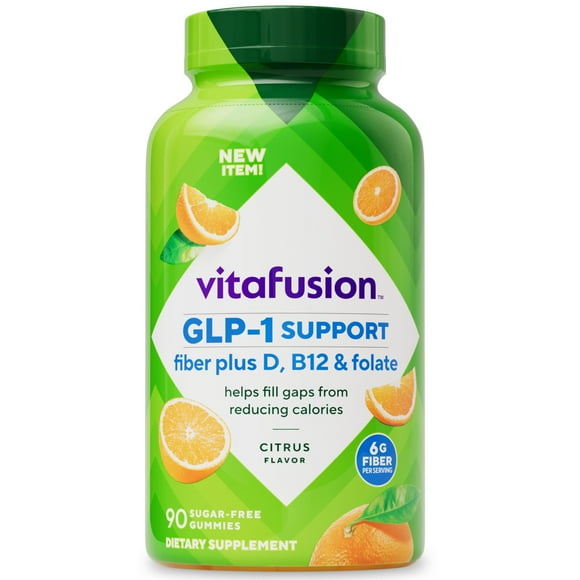
The market will respond quickly, sometimes faster than science can fully confirm. That means future reader-facing content must sharpen consumer literacy. Expect more explanations of labeling terms, ingredient rationale, and bioavailability concepts. The goal will be to help people distinguish evidence-informed formulations from marketing haze.
Readers will likely see comparisons of vitamin D forms, dosage ranges, and supportive ingredients—such as fiber blends that complement GLP-1-associated gastrointestinal effects. Some content may highlight supportive nutrients like magnesium, K2, or B vitamins, framing them as ecosystem components rather than isolated pills.
However, the most valuable product education will clarify boundaries: supplements are not substitutes for prescription therapy where indicated. The future narrative will increasingly treat supplementation as a structured complement, not a replacement.
The Horizon: Integration into Clinical Pathways and Long-Term Metabolic Maintenance
Ultimately, the future of GLP-1 and vitamin D combination therapies will likely be defined by how well they integrate into long-term care. Instead of “start therapy and hope,” clinicians may adopt ongoing maintenance protocols that treat vitamin D as a modifiable parameter, not just a one-time correction.
Long-term success often depends on continuity: consistent monitoring, adaptable dosing, and reinforcement of lifestyle foundations. The best future frameworks may blend lab results with patient preferences, creating a therapy pathway that feels humane and sustainable.
In this emerging era, GLP-1 will remain a central metabolic tool—but vitamin D may increasingly function as an important support system, shaping responsiveness, tolerability, and health resilience. The future doesn’t promise miracles. It promises better-informed decisions, more tailored combinations, and a more coherent understanding of how the body’s systems work together over time.