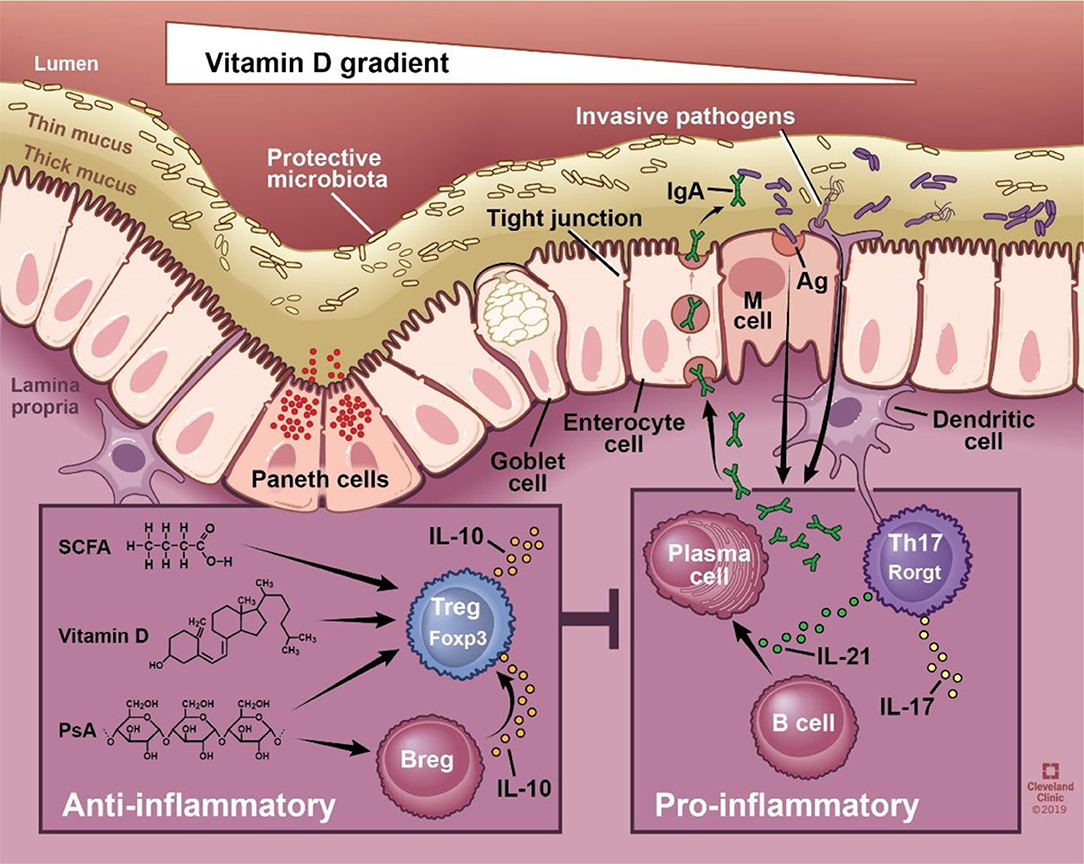
What if your gut were less a silent hallway and more a bustling diplomatic summit—where vitamin D plays the role of a meticulous mediator? Picture this: microbes arrive with their own agendas, the immune system negotiates in real time, and somehow a fat-soluble vitamin—often discussed for bones and blood—quietly steers the conversation. Now here’s the playful twist. Can you think of vitamin D as a “microbiome translator,” converting immune noise into meaningful signal? And if you’ve ever wondered why some people seem to summon resilience faster than others, consider a potential challenge: what happens when your vitamin D status and gut microbial ecosystem drift out of alignment?
Vitamin D Beyond the Usual Spotlight: An Immune Chaperone
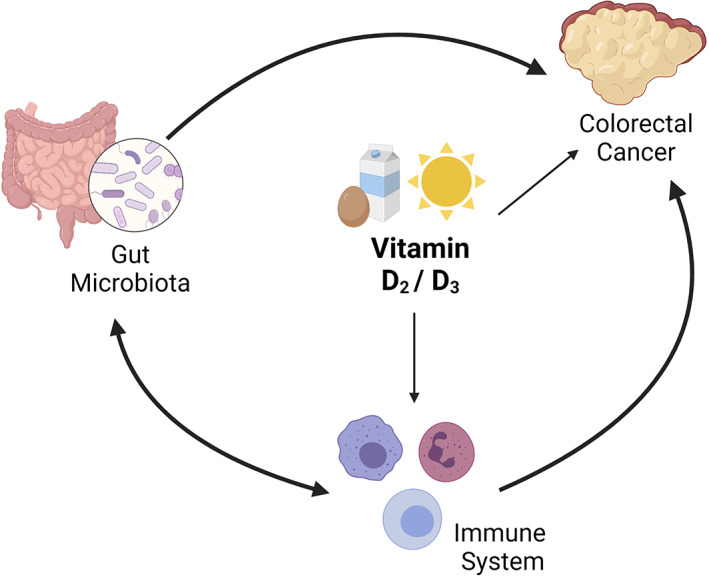
Vitamin D is frequently introduced through the lens of skeletal health, yet its immunological portfolio is far richer. Once vitamin D is activated in the body, it can influence immune cells such as macrophages, dendritic cells, and T lymphocytes. Think of it as a molecular “chaperone,” helping immune components fold into their most functional forms. Short bursts of activity occur at sites of inflammation, while longer-term modulation helps determine how vigorously the immune system responds to microbial cues.
Importantly, vitamin D doesn’t merely suppress. It calibrates. This distinction matters. A well-tuned immune response clears threats while avoiding collateral damage. A poorly tuned system can become either under-reactive—allowing chronic persistence of microbes—or over-reactive—amplifying inflammatory cascades.
In the gut, where the immune system must discriminate between friend and foe, this calibration becomes especially consequential. The gut’s constant exposure to microbial antigens makes it a high-wire stage for immune regulation.
The Gut Immunity Landscape: Where Microbes Meet the Frontlines
Your intestine isn’t just a digestive tube. It’s an immunological organ with a living barrier. The mucus layer, epithelial lining, antimicrobial peptides, and immune signaling pathways form a coordinated defense network. When the microbiome is balanced, these defenses operate like a security system that recognizes familiar faces. When imbalance emerges—sometimes called dysbiosis—the same defenses can become erratic, leading to heightened inflammation.
In this setting, the adaptive immune system is trained daily by microbial metabolites and antigen patterns. Meanwhile, innate immune sensors act like rapid responders, detecting microbial components and orchestrating immediate countermeasures. Vitamin D enters as a regulator of how these responses are shaped.
Small changes in gut immunity can carry outsized consequences. Inflammation can alter mucus properties, affect epithelial turnover, and influence which microbial species thrive. The result is a feedback loop—one where immune tone and microbial ecology continually influence each other.
Microbiome Metabolites: The Language Vitamin D Uses to “Listen”
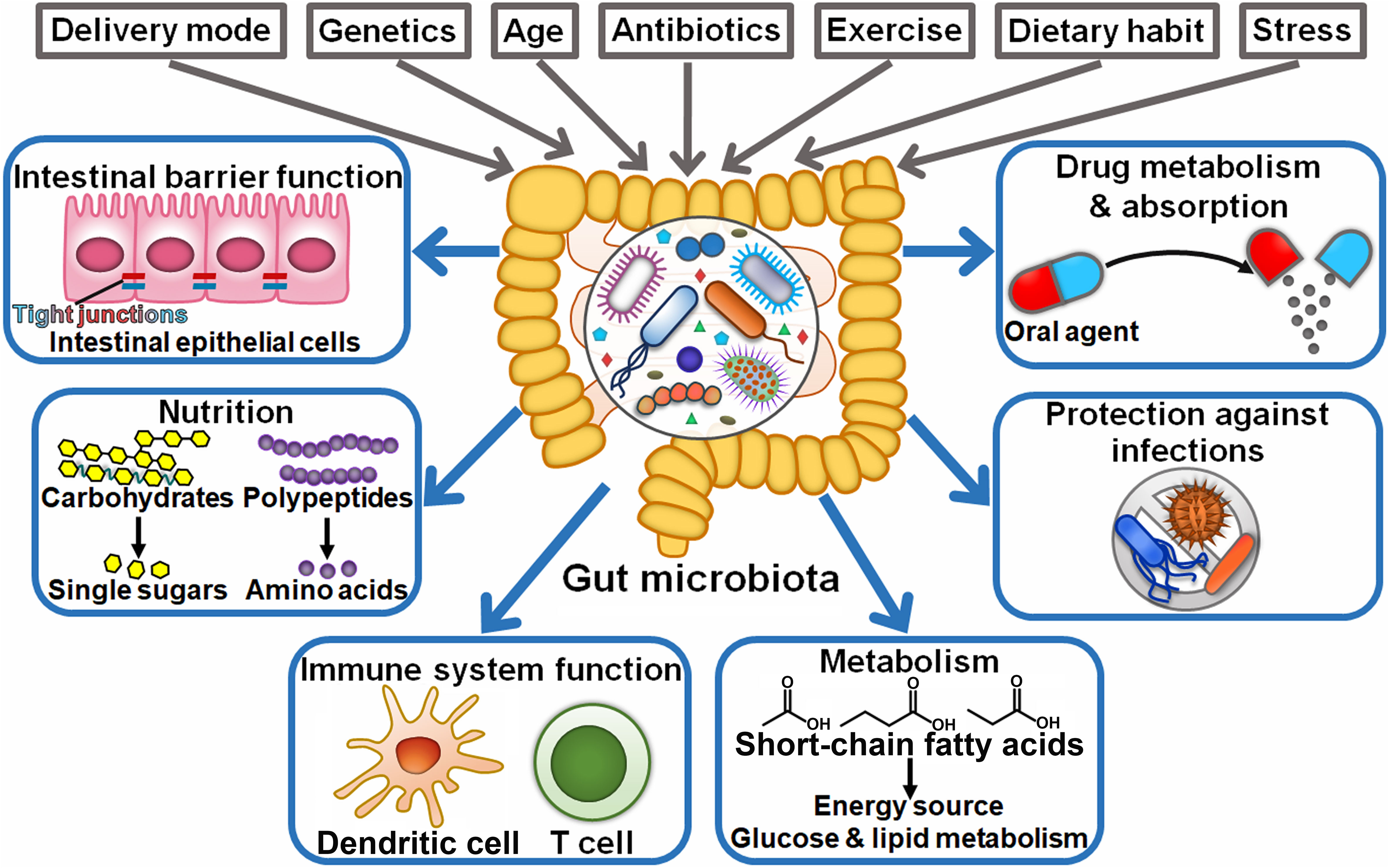
Microorganisms do not only occupy space. They manufacture metabolites—chemical messages that reach host tissues. Among the most celebrated are short-chain fatty acids (SCFAs) such as butyrate and propionate. These compounds can influence epithelial integrity and immune signaling, often promoting a more tolerant, balanced immune state.
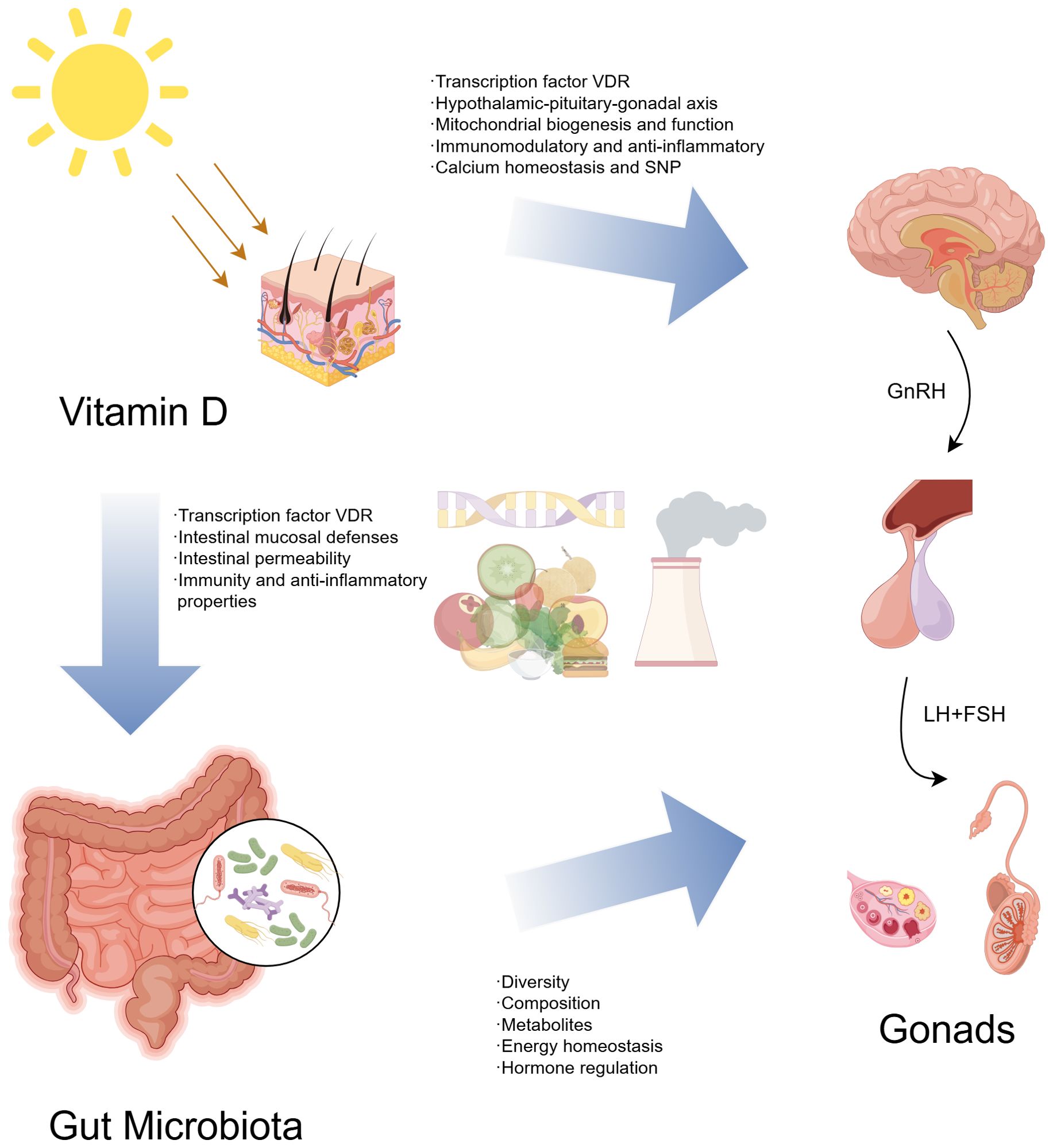
Now consider a key interlocking idea: vitamin D status can shift the microbial environment, and microbial metabolites can, in turn, influence vitamin D-related pathways. This is less like a one-way command and more like a conversation with alternating speakers.
Some immune pathways affected by vitamin D involve gene transcription and signaling cascades that regulate antimicrobial defense. When these pathways are activated appropriately, the gut barrier strengthens, and the microbiome has less room to impose harm. When they’re impaired, microbial products may access deeper tissues more easily, potentially intensifying immune activation.
So the microbiome provides context, while vitamin D provides interpretive guidance. Together, they shape whether the gut immune response remains calm—or becomes chronically alarmed.
Antimicrobial Peptides and Barrier Integrity: The “Lock and Key” Mechanism
The epithelial barrier is the gut’s first negotiator. But it’s not passive. It actively produces antimicrobial peptides and maintains tight junctions that regulate which molecules can pass between cells. Vitamin D can support this barrier fortification by promoting the expression of antimicrobial factors and influencing epithelial behavior.
Imagine tight junctions as carefully aligned door locks. When vitamin D-driven regulation supports their maintenance, the gut becomes harder to breach. When regulation falters, microbial fragments may slip through, increasing antigen exposure and triggering inflammatory signaling.
This is where the challenge becomes tangible. If vitamin D levels are low, the barrier may become more permeable, and the immune system may confront a flood of microbial stimuli. Even if pathogens are not present, the immune system may interpret the situation as ongoing threat—an illusion created by increased permeability and altered signaling.
Over time, such dynamics can influence the overall microbial composition, encouraging species that tolerate inflammatory conditions. The gut becomes a habitat shaped by immune pressure.
T Cell Polarization and Immune Tolerance: Finding the Right Volume
Within the gut, immune cells must balance defense with tolerance. Vitamin D can influence T cell differentiation, affecting pathways related to immune regulation. Rather than simply “turning immunity off,” vitamin D can promote a state that resists runaway inflammation.
In practical terms, this can mean a more disciplined immune response to commensal microbes. When tolerance mechanisms are stronger, the gut can coexist with its microbial neighbors without constant flare-ups.
But here’s the playful question to hold in your mind: what if your immune system is stuck with the wrong volume knob—too high when it should be muted, too low when it should be alert? Vitamin D is one of the regulators that can help set that knob. The microbiome supplies the cues; vitamin D helps interpret them.
When the volume is mis-set, inflammatory bowel conditions and other gut-related immune disruptions may become more likely, especially in genetically susceptible individuals.
Inflammation, Dysbiosis, and the Vicious Loop
Inflammation and dysbiosis can become a revolving door. Inflammation can alter gut motility, mucus composition, and nutrient availability. Those shifts can favor microbes that thrive in inflammatory environments. Meanwhile, dysbiosis can increase the production of microbial molecules that stimulate immune responses. Again and again, the gut becomes a feedback engine.
Vitamin D’s role in breaking or stabilizing this cycle is important. By supporting barrier integrity, antimicrobial defenses, and immune modulation, adequate vitamin D may reduce the inflammatory stimuli that drive dysbiosis. Conversely, insufficient vitamin D can make it easier for the loop to intensify.
This doesn’t mean vitamin D is a magic wand. The microbiome is influenced by diet, antibiotics, sleep quality, stress physiology, and more. Still, vitamin D can act like a keystone variable that affects how the immune system and microbial community cooperate.
Microbiome-Targeted Strategies: Diet, Lifestyle, and Vitamin D Synergy
A rational approach is to treat the gut as an ecosystem, not an appliance. Dietary fibers and plant polyphenols feed beneficial microbial populations, often supporting SCFA production. Adequate protein and micronutrients help maintain epithelial health. Sleep and stress regulation influence immune tone and gut barrier function. Antibiotic exposure can cause microbial setbacks that take time to recover from.
Then vitamin D enters as a supportive pillar. For some individuals, optimizing vitamin D status may complement microbiome-friendly practices. The combined effect could be a more resilient barrier, improved immune calibration, and a microbiome composition less dominated by inflammatory tendencies.
To make this practical, consider a “two-lane plan”: microbial nourishment on one lane, immune regulation on the other. If one lane collapses—like low vitamin D—traffic (immune signaling and microbial stability) can become chaotic.
Potential Risks and the “More Isn’t Always Better” Principle
Vitamin D is essential, but excess can be problematic. High doses may lead to hypercalcemia and other complications. That’s why thoughtful dosing matters. In many cases, vitamin D status can be assessed through laboratory measures, allowing a more personalized strategy.
Additionally, individuals with gut disorders may experience variable absorption. Some may have inflammatory changes that affect nutrient handling. This introduces another layer to the challenge: even if vitamin D intake is high, effective bioavailability may differ.
Therefore, any vitamin D strategy works best when it is paired with clinical guidance and a coherent gut-support routine rather than isolated supplementation.
A Closing Challenge: Can You Create Concord Between Vitamin D and Your Microbiome?
The gut is a negotiation table. Vitamin D can influence the immune conduct of that negotiation; the microbiome provides the proposals through metabolites and microbial structures. When both sides align, the system tends to feel smoother—less reactive, more resilient. When they drift apart, immune calibration can wobble, and inflammation can gain traction.
So here’s the challenge—playful but serious: for the next few weeks, can you focus on creating harmony? That might mean assessing vitamin D status with appropriate testing, prioritizing fiber-rich foods that support microbial diversity, and building habits that protect barrier function and immune tone. Small, consistent choices can accumulate into a more stable internal ecosystem.
If the gut is a universe of negotiations, vitamin D may be one of the translators that helps your immune system understand what it’s seeing. The question is whether you’ll help it do that work with the right conditions.