Rapid weight loss can feel like a victory lap—until the body starts to whisper warnings. Among the most concerning is bone loss, a silent remodeling problem where calcium and structural density can erode while fat disappears. Vitamin D becomes a quiet guardian in this scenario, not through miracle claims, but through biochemistry: it helps the gut absorb calcium, supports bone mineralization, and modulates hormonal signals that steer bone turnover. When weight loss accelerates, the demand for coordinated nutrient handling rises. Vitamin D, working alongside calcium, protein, and resistance training, helps keep that coordination intact.
Why Rapid Weight Loss Can Accelerate Bone Loss
Bone is not static architecture. It’s a living scaffold, continuously renewed through remodeling—osteoclasts resorb bone, and osteoblasts rebuild it. Rapid weight loss can tilt this balance toward net loss. The reasons are multi-layered. Energy restriction often reduces total nutrient intake, and inadequate calcium and protein can impair bone formation. Hormonal shifts can also play a role: changes in estrogen and other regulators can influence osteoblast activity and resorption rate.
Additionally, when weight drops quickly, the body may experience relative disuse or altered loading patterns. Even if you remain active, the mechanical strain on the skeleton changes as mass decreases. This can reduce the “signal” bone needs to maintain density. Short bursts of extreme dieting—especially those lacking micronutrients—can compound the problem by stressing the body’s mineral economy.
Vitamin D’s Core Job: Calcium Absorption and Bone Mineralization
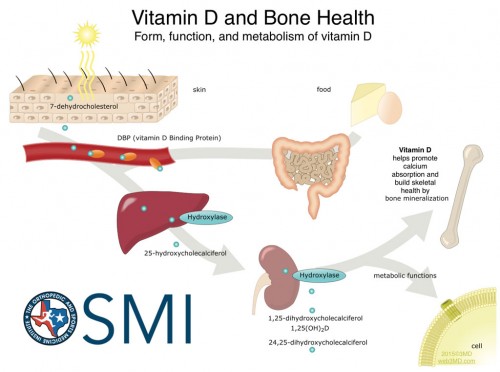
Vitamin D functions like a molecular translator. Without adequate vitamin D, calcium intake may be present yet underutilized. The intestine becomes less efficient at transporting calcium into circulation, meaning blood calcium can fall below what bone formation requires. The body may then compensate by pulling calcium from skeletal stores—an approach that may preserve immediate function but compromises long-term structural integrity.
Once vitamin D is activated in the body, it supports the expression of calcium-binding proteins and transporters in the gut. This boosts absorption efficiency and helps ensure that calcium reaches the bloodstream and, crucially, the bone remodeling sites. Over time, sufficient vitamin D availability supports the mineral deposition process that strengthens bone matrix.
Vitamin D and Bone Turnover: Balancing Resorption and Formation
Bone health is partly a timing problem. Remodeling must be orderly; otherwise, resorption can outrun formation. Vitamin D interacts with bone cells through vitamin D receptors present in osteoblasts and osteoclast-lineage cells. With sufficient vitamin D status, signaling becomes more favorable toward maintaining bone density.
During rapid weight loss, the body may increase inflammatory tone and stress signals, which can influence osteoclast activity. While vitamin D is not an anti-inflammatory “elixir,” it contributes to immune regulation and can indirectly affect the remodeling environment. Think of vitamin D as part of the orchestra: it doesn’t play every note, but it helps the ensemble stay in tune.
The “Active” Vitamin D Connection: 25(OH)D Versus Functional Need
Vitamin D measured in blood often appears as 25-hydroxyvitamin D—commonly written as 25(OH)D. This form represents the storage reservoir. However, what tissues use most directly is the active form. The body converts 25(OH)D into the active metabolite through enzymatic steps, primarily in the kidney and also in other tissues. When intake, sun exposure, or conversion is insufficient, the functional availability can lag behind what you’d expect.
Rapid weight loss can complicate this because nutritional intake changes fast: some people reduce dietary fat, which may lower vitamin absorption, and others become less consistent with supplements. Malabsorption issues and certain medications can further affect vitamin D’s trajectory. The result is a mismatch between “what you eat” and “what bone can actually use.”
Protein, Calcium, and Vitamin D: A Three-Part Safety Lanyard
Vitamin D is powerful, but it’s not a lone hero. Calcium availability is the substrate for mineralization. Protein is the blueprint material that supports osteoblast function and collagen synthesis. During weight loss, insufficient protein intake—common with restrictive diets—can reduce the bone-forming response. Even with adequate vitamin D, low calcium and protein may prevent full mineral deposition.
The practical implication is straightforward: vitamin D should be paired with a calcium-aware diet and adequate protein. When these elements align, vitamin D can do its job efficiently—boosting absorption and supporting mineral incorporation. Without that alignment, vitamin D’s benefits become muted, like a key without the right lock.
Resistance Training and Mechanical Loading: The “Signal” Bone Needs
Bone responds to load. That’s the essence of mechanotransduction: strain triggers cellular responses that influence remodeling. Rapid weight loss can reduce body mass and alter movement patterns, sometimes leading to less loading on hips and spine—the places where bone loss can be most consequential.
Resistance training provides a counterbalance. It generates the mechanical stimulus that encourages osteoblast activity and helps preserve density. Vitamin D supports the nutrient side of the equation, ensuring that calcium is available for remodeling. Together, mechanical loading and micronutrient sufficiency form a duet: one delivers the signal, the other provides the materials.
Sun Exposure, Skin, and Seasonality: Why Vitamin D Isn’t One-Size-Fits-All
Not everyone can rely on sun exposure equally. Geographic latitude, season, cloud cover, time spent indoors, skin pigmentation, age, and sunscreen habits all affect cutaneous vitamin D synthesis. During rapid weight loss, people may also change routines—working from home more, traveling less, or shifting exercise to indoor sessions. These changes can quietly reduce vitamin D production.
In some individuals, dietary sources and supplementation become more important. The goal is to maintain consistent vitamin D status rather than chasing levels in a crisis. Bone remodeling is slow; a short-term spike in vitamin D may not translate into durable protection if the underlying period of deficiency coincides with aggressive dieting.
Supplementation During Dieting: Practical Guardrails and Common Pitfalls
Vitamin D supplementation can be helpful, especially when sun exposure is limited or dietary intake is inadequate. Yet supplementation isn’t a blank check. Overdoing vitamin D without monitoring can raise calcium levels excessively, potentially causing complications. Under-dosing may fail to correct deficiency, leaving bone vulnerable during the highest-risk phase of weight reduction.
A prudent approach involves evaluating baseline vitamin D status and aligning supplementation with clinician guidance. It also helps to consider how vitamin D is taken: taking it with meals that include fat may improve absorption. Consistency matters more than occasional “catch-up” dosing, especially when weight loss continues over weeks to months.
Who Should Pay Extra Attention: Risk Factors That Stack
Bone loss risk is not evenly distributed. Postmenopausal individuals, those with a history of fractures, and people with low body weight often have less buffer in their skeletal reserves. Others at heightened risk include individuals with malabsorption disorders, chronic kidney disease, or certain endocrine conditions. Use of glucocorticoids and some anticonvulsant medications can also affect bone health and vitamin D metabolism.
During rapid weight loss, these existing risk factors can stack. In other words, the same diet changes that might be survivable for one person can be more consequential for another. Vitamin D becomes even more relevant when the margin for error is already narrow.
What Readers Can Expect: A Content Blueprint for Bone-Protective Planning
If you’re exploring this topic for real-world use, expect content that moves beyond generic wellness slogans. A strong article or guide typically includes: (1) a clear explanation of how vitamin D influences calcium absorption and bone remodeling; (2) an outline of why dieting speed can amplify risk; (3) practical nutrition considerations like calcium and protein pairing; (4) exercise guidance centered on resistance training and loading; and (5) supplementation literacy, including the difference between deficiency and sufficiency and the value of monitoring.
Some readers also benefit from scenario-based narratives: imagining a person starting a calorie-restricted plan, noticing fatigue, changing workout patterns, and discovering that bone density concerns deserve attention early—not after damage accrues. Evidence-informed, stepwise checklists often work well too, especially when they translate physiology into daily decisions: meals, training schedule, and when to reassess vitamin status.
Visual Reinforcement: Key Concepts at a Glance
Visuals can condense complex pathways into memorable cues—like nutrient “inputs” and bone “outputs.” When a graphic shows vitamin D activation, intestinal calcium transport, or the remodeling cycle, it helps readers connect cause and effect. Use imagery to reinforce the narrative: vitamin D supports absorption, calcium and protein build the scaffold, and resistance training provides the mechanical instruction.

Another helpful visual category is the “timeline view”—what happens in the weeks when weight loss is most rapid and intake patterns change. Those time-based visuals encourage proactive planning rather than reactive scrambling later.
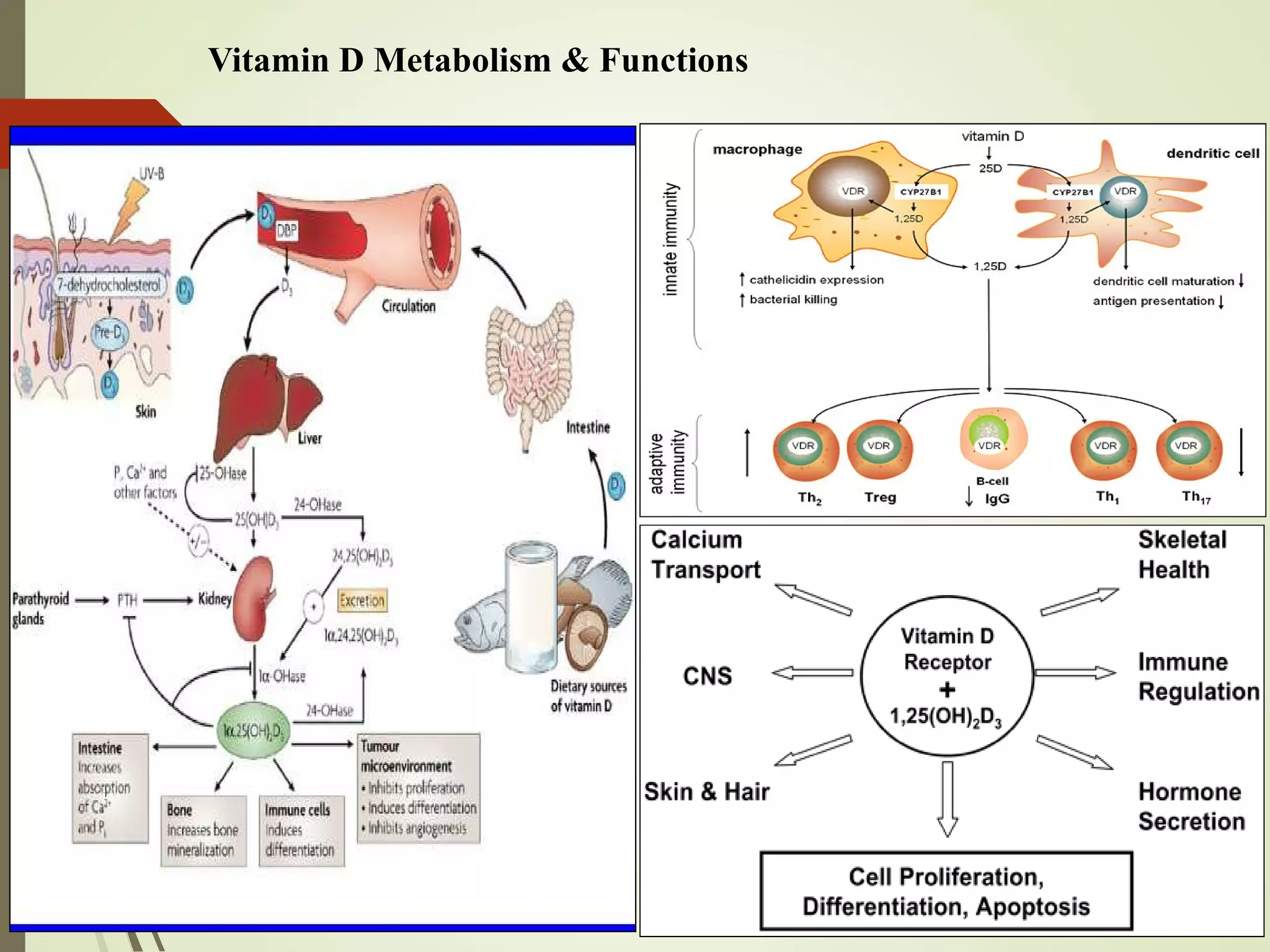
Finally, readers often respond well to charts that link vitamin D status with broader metabolic outcomes. While correlation doesn’t replace mechanism, these visuals can motivate the deeper understanding: vitamin D’s role in mineral homeostasis and skeletal remodeling is the real bridge between nutrition and bone preservation.
Conclusion: Protecting Bone While Shedding Weight
Rapid weight loss can challenge the skeleton because it compresses time and strains nutrient availability. Vitamin D helps guard bone loss by enabling calcium absorption and supporting balanced remodeling. Yet it works best as part of an integrated strategy—adequate protein, sufficient calcium, resistance training, and sensible supplementation with monitoring when appropriate.
When vitamin D is respected as a functional nutrient rather than an afterthought, rapid weight loss doesn’t have to come with a hidden cost. Bone can remain resilient—even when the scale moves quickly—if the body receives the signals and materials it needs to rebuild without interruption.