When winter settles in and the days shrink, many people feel it in their bones—mood dips, energy evaporates, and even routine tasks start to feel like uphill labor. Seasonal Affective Disorder (SAD) turns that seasonal drag into something more persistent, more intimate, and often harder to shake. In that climate, vitamin D becomes a frequent topic. But among the two common forms—D2 and D3—many wonder which one truly matters for SAD. The surprising part is not simply that vitamin D helps; it’s that one subtype seems to spark more fascination, and that curiosity hides deeper biological reasons.
Why SAD and Vitamin D Keep Getting Linked
SAD is often described like a mood thermostat that misreads the outside temperature. Less sunlight means less natural light signaling, and that can influence neurotransmitter balance, circadian rhythm, and the brain’s ability to regulate mood. Vitamin D is frequently mentioned because it is intertwined with sunlight exposure and because it participates in immune signaling, cellular communication, and neuroprotective pathways. In other words: sunlight doesn’t just brighten the world outside. It helps tune internal systems that govern how we feel.
Still, the common observation remains: people hear “vitamin D deficiency” and assume any supplement will do. That assumption is understandable—and also where the story becomes more intriguing. D2 and D3 both raise vitamin D levels, yet they do not behave identically in the body. The deeper fascination comes from the subtle differences in metabolism, binding, and downstream effects that can matter when the brain and mood systems are already under seasonal stress.
Vitamin D2 vs D3: The Core Difference
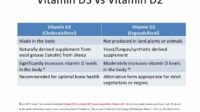
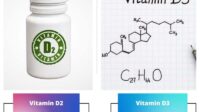
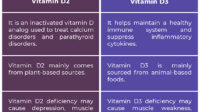
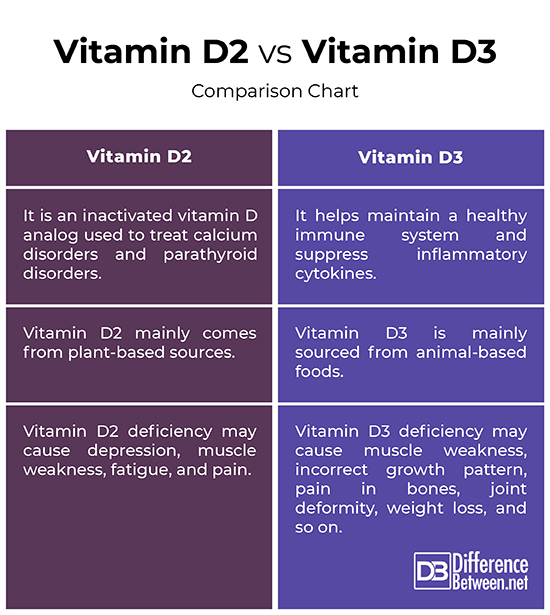
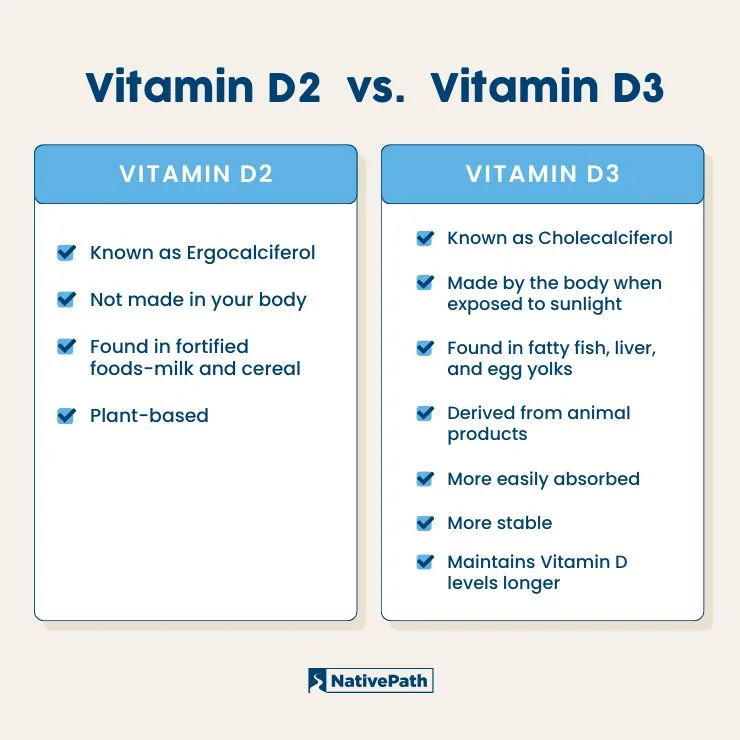
Vitamin D3 (cholecalciferol) is typically produced in the skin in response to ultraviolet B radiation and is also found in certain animal-derived foods. Vitamin D2 (ergocalciferol) is usually plant-based and commonly comes from fungi or yeasts. On paper, both are forms of “vitamin D.” In practice, their chemistry leads to different conversion kinetics and potency profiles once they enter circulation.
Think of D2 and D3 as two keys designed for the same lock. They can both open the door, but one may turn more smoothly and hold the mechanism differently. Those nuances can be relevant for a condition like SAD, where timing and consistency—rather than a one-time boost—often matter.
How the Body Uses Vitamin D3 in a Seasonal Context
After ingestion, both D2 and D3 travel through metabolic steps that convert them into active forms capable of signaling throughout the body. Vitamin D3 has a reputation for more reliably increasing and maintaining blood 25(OH)D levels. For someone cycling through reduced sunlight months, this matters. The goal is not merely to correct a deficiency during a lab test—it’s to maintain a steadier biochemical environment while day length stays short.
SAD often returns like an echo: predictable, repetitive, and stubborn. If vitamin D levels rise and fall quickly, the brain may experience a fluctuating signal. By contrast, a form that supports steadier levels could provide a more consistent background for mood and immune-brain communication.
Where D2 Fits—and Why Some People Still Choose It
Vitamin D2 can be effective, especially when dosage is appropriate. It is widely available, often used in fortified products, and is a familiar option in many supplementation routines. Some people choose D2 for dietary preferences or cost considerations. In therapeutic contexts, clinicians may tailor regimens based on patient-specific factors, including baseline vitamin D status and tolerance.
Yet effectiveness is not identical to “optimal.” SAD is frequently a chronic seasonal pattern, and the body’s adaptation to low light may require sustained support. If D2 and D3 lead to different magnitudes or durations of vitamin D level elevation, then the “best” choice can depend on the goal: quick correction, long-term maintenance, or minimizing the need for frequent dose adjustments.
The Deeper Reason People Become Fascinated: Potency and Persistence
A common observation is simple: both forms raise vitamin D. The fascination grows when people notice that D3 often appears to do so more robustly and for longer. That difference is not just a marketing storyline—it reflects how vitamin D molecules behave once they enter the bloodstream, how they are transported by binding proteins, and how the body processes them over time.
In SAD, the “over time” piece is everything. Mood regulation is not a single event; it’s a rhythm. If vitamin D signals fluctuate, the systems that interpret them—immune modulation, inflammatory signaling, and potentially neurotrophic pathways—may receive inconsistent instructions. This is one reason D3 tends to attract attention among those looking for a dependable seasonal strategy.
Neurobiology, Inflammation, and the Mood-Immune Bridge
Many mood disorders show hints of immune involvement, including alterations in inflammatory markers. Vitamin D plays roles in immune regulation, influencing how immune cells communicate. It also intersects with the nervous system, where it may support neuroprotection and synaptic function.
Now imagine winter as a double shift: less light exposure plus potential seasonal immune/inflammatory changes. That convergence can make vitamin D status feel more consequential than it would during sunnier months. When the brain is under seasonal strain, the molecular “background lighting” provided by vitamin D may influence resilience—like scaffolding for emotional stability.
Timing Matters: Starting Early for Seasonal Prevention
One of the more practical insights is that SAD strategies often work best when started before symptoms peak. Waiting until you’re already in the middle of a low-mood spiral can mean your biochemical support arrives late. A thoughtful approach often resembles preventive maintenance rather than emergency repair.
For many people, that means testing vitamin D status in advance, then supplementing through autumn and winter. The form—D2 or D3—becomes part of that timeline. If D3 supports steadier elevation, it may align better with the need for gradual, consistent support during low-light months.
Choosing Between D2 and D3: A Practical Framework
Instead of treating the choice as a binary battle, consider it a decision shaped by context. Ask questions like: What is your baseline vitamin D level? How quickly do you need to correct deficiency? Are you aiming for maintenance or repletion? Do you prefer a regimen with fewer adjustments?
For many individuals affected by SAD, D3 is often favored because it tends to provide more dependable increases in blood levels and may require less frequent re-dosing. Still, D2 can be reasonable under clinician guidance, particularly where availability, cost, or personal preferences drive selection.
Whatever the form, pairing supplementation with measured follow-up—through periodic lab checks—helps transform guesswork into precision.
Safety, Dosing, and When to Seek Professional Guidance
Vitamin D is fat-soluble, which means it can accumulate. That is why dosing should not be casual, especially if you’re already taking multiple supplements. Excess vitamin D can cause hypercalcemia and related complications. The safest approach typically involves individualized dosing guided by lab values and medical history, particularly if you have kidney issues, sarcoidosis, or conditions affecting calcium metabolism.
For SAD specifically, supplementing is best viewed as one layer in a broader plan. Light therapy, sleep regularity, and mental health support often remain central. Vitamin D can be an ally—quiet, persistent, and molecularly patient—but it is not a lone conductor.
Making the Winter Feel Less Heavy
At its heart, the D2 vs D3 discussion for SAD reflects a deeper fascination with how small biochemical differences might shape resilience. Many people notice both forms “work,” but fewer realize the importance of stability, duration, and how vitamin D signals may interact with mood regulation systems throughout the dark season.
So the question isn’t merely “Which is better?” It’s “Which one supports a steadier inner climate when the outside world turns dim?” For many, vitamin D3 becomes the more compelling option—not because D2 is useless, but because SAD demands persistence, and the body seems to respond with more consistency to D3 in that long winter act.