
Vitamin D is often treated like a background nutrient—something you “just” get from sunlight and forget. Yet many people report a more interesting effect: a subtle, sometimes dramatic shift in mood when their vitamin D status is corrected. The fascination is understandable. Mood seems intangible, while vitamin D is measurable, doseable, and strangely tangible in its actions. Still, the question remains: how much vitamin D is actually needed for mood improvement, and what dosage guide is most sensible for everyday life?

To answer it well, we have to move beyond the simplistic idea that more is always better. Mood is affected by sleep rhythms, inflammation, neurotransmitter signaling, and hormonal crosstalk—processes where vitamin D may act like an unobtrusive conductor. Let’s explore practical dosing ranges, what “deficiency” really means, who should be cautious, and how to pair supplementation with lifestyle decisions that make the biochemistry feel like it belongs to you.
Why Vitamin D Can Influence Mood (Beyond the Sunshine Myth)
Many people associate vitamin D with sunshine and stop there. But mood is not just a psychological phenomenon; it’s also biochemical choreography. Vitamin D interacts with the brain through vitamin D receptors, which are present in regions involved in emotion regulation. It may influence the production of neurotransmitters linked with well-being and may modulate inflammation pathways that can nudge the body toward lethargy and low-grade dysphoria.
There’s also the matter of circadian timing. When sunlight exposure is limited—especially during winter—vitamin D synthesis drops. At the same time, many people experience shifts in sleep and energy. Those two changes can feel like one problem. Correcting vitamin D may help restore some internal “tempo,” though it rarely acts as a stand-alone cure.

Common Observation: “I Took Vitamin D and Felt Different”
You’ve probably heard it, or maybe you’ve felt it yourself. After starting a supplement, mood lifts, energy steadies, and the mind feels less heavy. It’s tempting to assume this is purely placebo—yet vitamin D has plausible mechanisms, and deficiency is common enough to make real improvements believable.
Still, the deeper reason fascination persists is that mood changes are experienced subjectively and remembered vividly. A “before and after” moment carries emotional weight. When someone’s baseline was low and supplementation corrected it, the improvement can appear swift, even if the physiology has been adjusting more gradually underneath.
For best clarity, think of vitamin D as a floor rather than a ceiling. If you’re below an effective threshold, raising levels may remove friction. If you’re already sufficient, additional dosing might not bring dramatic benefits—though some individuals may still experience subtler effects.
Dosage Basics: Typical Daily Targets for Mood Support
When discussing “how much,” it helps to use ranges rather than a single number. Most supplementation strategies aim to achieve adequate blood levels of 25-hydroxyvitamin D (the commonly measured indicator).
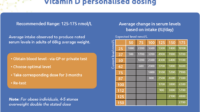
For many adults, a frequently used maintenance range is 1,000–2,000 IU (25–50 mcg) per day. This is often enough to support people who get minimal sun. If intake is low, higher short-term adjustment doses are sometimes used under guidance.
For individuals with confirmed deficiency, dosing may be more aggressive—sometimes in the 2,000–4,000 IU per day range—again depending on lab results, body weight, and absorption factors. Some clinicians use loading regimens, but those should be individualized because safety matters.
In practical terms: if your goal is mood improvement, the best dose is the one that corrects deficiency without overshooting. Mood is sensitive, but the body is not designed for reckless stacking.
Adjustment Dosing: What to Do If Levels Are Low
“Low” isn’t a feeling; it’s a lab value. If your 25(OH)D level is below optimal, supplementation often follows a two-phase approach: correction first, then maintenance.
Correction dosing is tailored because absorption varies. Some people require more due to limited sun exposure, higher skin melanin, certain gastrointestinal conditions, or medication interactions. Others respond strongly even at modest doses. That’s why a one-size-fits-all recipe rarely fits.
A cautious strategy includes rechecking levels after several months. Many people test after 8–12 weeks to see how well the body responds, then refine the dose accordingly. If mood has improved, that improvement can reinforce the hypothesis that the low status was part of the problem.

How Long Until Mood Changes Might Appear?
Time is another nuance that fuels misunderstanding. Vitamin D doesn’t work like caffeine, which announces itself quickly. Instead, it participates in slower biochemical processes: receptor activity, inflammatory modulation, and neurotransmitter regulation. Consequently, mood shifts may take several weeks to become noticeable.
That said, some people feel earlier changes—perhaps because deficiency can correlate with sleep quality, energy, and seasonal affect patterns. If vitamin D correction improves those upstream factors, mood could follow sooner. Still, a typical “reasonable expectation” is 4–8 weeks for meaningful observation, with longer adjustment for deeper deficiency.
It’s wise to track mood trends, not daily fluctuations. A journal or a simple rating scale can reveal patterns. Short-term swings are common; long-term direction is where vitamin D insights emerge.
Safety First: Upper Limits and When to Be Careful
Vitamin D is fat-soluble, meaning it can accumulate. The line between beneficial and excessive can blur if dosing is aggressive without monitoring.
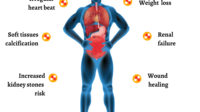
Many health authorities set an upper limit around 4,000 IU (100 mcg) per day for long-term use in adults, though individuals with medical supervision may receive different plans. Exceeding prudent limits increases the risk of hypercalcemia, which can bring symptoms like nausea, constipation, excessive thirst, fatigue, and confusion.
Certain groups should be especially cautious: people with kidney disease, those with a history of kidney stones, sarcoidosis or other granulomatous conditions, and individuals taking medications that affect calcium or vitamin D metabolism (such as some seizure medications or thiazide diuretics). If any of these apply, dosage should be clinician-directed.

Forms of Vitamin D: D3 vs D2 and Absorption Considerations
Most supplementation for mood and general sufficiency uses vitamin D3 (cholecalciferol). D3 is often favored because it tends to raise and sustain blood levels more reliably than D2 for many people.
Absorption can be improved by taking vitamin D with a meal that includes fat. Some people take it in the morning for routine consistency, while others prefer evening depending on personal digestion patterns. The timing matters less than the consistency—yet if you’re prone to gastrointestinal upset, choose a method that your body tolerates.
Also consider compliance. A dose you take faithfully outperforms a higher dose you skip. Mood improvement is rarely a triumph of maximum potency; it’s often a victory of sustained, measurable adequacy.
Diet and Lifestyle: The Quiet Partners to Supplementation
Vitamin D rarely acts in isolation. Diet can provide supportive nutrients such as omega-3 fatty acids, magnesium, and adequate protein—elements that interact with stress physiology and inflammatory tone. While these aren’t direct substitutes for vitamin D, they can make the whole “mood system” more cooperative.
Sunlight exposure—sensible, non-burning exposure—can complement supplementation. Winter months might require greater reliance on supplements, but summer doesn’t negate the value of labs and mindful dosing. Sleep regularity also matters. If supplementation is correcting a deficiency but your sleep remains erratic, mood may not fully stabilize.
Think of vitamin D as a helpful lever in a broader mechanism: hydration, movement, circadian rhythm, and micronutrient sufficiency all contribute to the net emotional outcome.
A Practical Dosage Guide: How to Choose Your Next Step
Start with a reality-based approach. If you don’t know your vitamin D status, consider a conservative maintenance dose such as 1,000–2,000 IU daily for most adults, taken with food. If you have known deficiency, risk factors, or symptoms that cluster with low vitamin D (especially alongside limited sunlight), consider lab testing to personalize dosing.
If you test and confirm low levels, many plans gradually correct toward adequacy—often within the 2,000–4,000 IU per day range—then transition to maintenance. Recheck after a couple of months, adjust thoughtfully, and avoid drifting into excessive dosing.
Finally, monitor mood as a trend. If mood lifts alongside improved sleep or energy, vitamin D may have been a missing piece. If no change occurs, it doesn’t mean vitamin D “failed.” It may mean the main driver lies elsewhere—stress load, thyroid function, iron status, B12, inflammation from other causes, or psychosocial circumstances.
Vitamin D can’t replace comprehensive care. But when used with discernment, it can be an elegant and evidence-compatible contributor to emotional steadiness—less magic than mechanism, but no less meaningful.