
Pregnancy is often described as a season of growth, but for many parents-to-be it also feels like a quiet choreography of invisible needs. Among them, vitamin D plays the role of an unsung conductor—keeping bones, immunity, and nutrient balance in rhythm. Yet the question that comes up in conversations, prenatal classes, and healthcare checklists is surprisingly specific: Vitamin D3 or D2? Think of it like choosing between two distinct fuel types for the same vital engine. Both can power the system, but their chemistry and “behavior” in the body can differ. Let’s explore which is recommended during pregnancy—and why.

Vitamin D in pregnancy: the conductor behind the scenes
Vitamin D is not merely a nutrient; it’s a hormone-like signal that touches several bodily pathways. During pregnancy, it supports calcium absorption, which is essential for fetal skeletal development. It also helps the maternal body manage the immunological and inflammatory shifts that accompany carrying new life.
Imagine calcium as building blocks and vitamin D as the foreman who tells each block where to go. Without sufficient vitamin D, calcium may be present in food, but its usefulness can become oddly diminished—like tools stored in a closet instead of used at the worksite.
There’s also a broader story. Adequate vitamin D levels are often associated with healthier pregnancy outcomes, though research continues to refine what “optimal” means. The practical takeaway remains steady: screening and correcting deficiencies is a common prenatal strategy.
D2 vs D3: two forms, different personalities
Both vitamin D2 and vitamin D3 are variants of vitamin D, but they originate from different sources and behave slightly differently once inside the body.
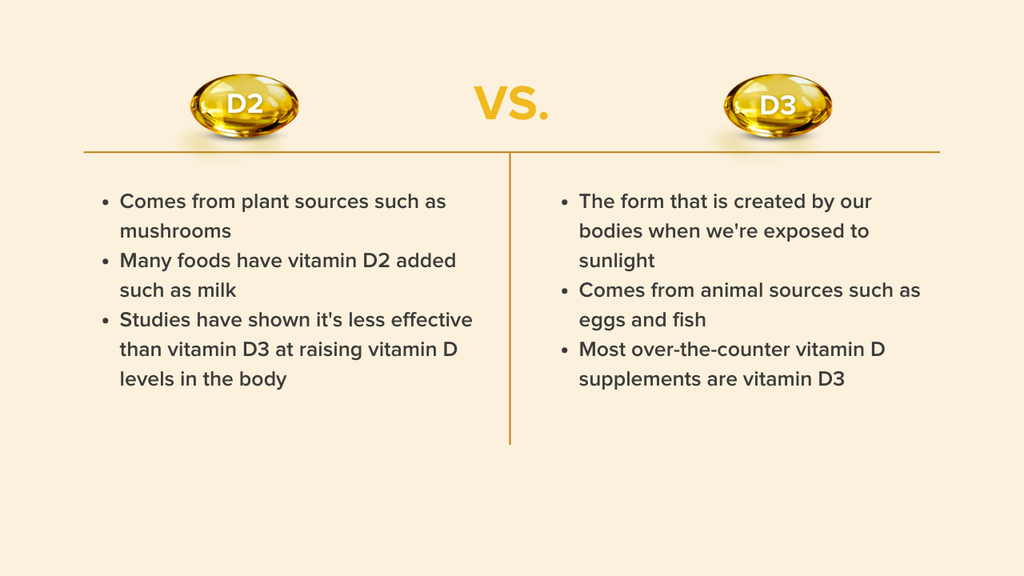
Vitamin D2 (ergocalciferol) is commonly derived from plant or fungal sources. In supplements, it may be chosen for various reasons, including certain dietary preferences or availability.
Vitamin D3 (cholecalciferol) is typically produced in human skin after sunlight exposure and is also found in animal-derived foods and many supplements. In plain terms, it’s the form the body is most “accustomed” to.
Now for the intriguing metaphor: if vitamin D is a key that unlocks calcium’s door, D2 and D3 are two key designs cut for the same lock. They often work, but one tends to slide in more smoothly for some people—especially when the goal is maintaining steady levels over time.
How the body processes D2 and D3
After ingestion, both D2 and D3 travel through a sequence of transformations in the liver and kidneys, eventually supporting active vitamin D function. Yet differences in molecular structure can influence how effectively the body stores and maintains vitamin D concentrations.
In many clinical conversations, D3 is described as having greater staying power. Several studies have suggested that D3 may raise and sustain blood levels more reliably than D2, particularly for longer-term correction and maintenance.
That matters during pregnancy because physiological demands can fluctuate. A nutrient that not only boosts levels but also keeps them stable can be especially valuable when the body is navigating rapid change.
Why D3 is commonly recommended in pregnancy
When healthcare providers choose between D2 and D3 for pregnancy, the decision often leans toward D3. The reasoning typically reflects real-world outcomes: D3 is frequently associated with better improvements in serum vitamin D status.
Pregnancy is not a one-size-fits-all event. Some people begin pregnancy with robust vitamin D stores. Others start in deficiency, sometimes due to limited sun exposure, darker skin pigmentation, geographic latitude, clothing habits, or seasonal changes. In those cases, the form that corrects levels more effectively becomes more than a technical detail—it becomes a comfort and confidence factor.
Of course, recommendations should always follow individualized testing and medical guidance. A measured approach tends to work best: check levels, address deficiency, then maintain.
Dose and target: the “how much” question
The “right” dose of vitamin D in pregnancy depends on baseline blood levels, dietary intake, sun exposure patterns, and risk factors. Some individuals require therapeutic dosing to correct a deficiency; others may only need a maintenance amount.
Healthcare teams often focus on serum 25-hydroxyvitamin D, the marker used to estimate vitamin D status. This is where the narrative becomes practical. If levels are low, the goal shifts from general wellness to precision repair.
Too little can be problematic, but too much can also be a concern. High-dose vitamin D without supervision can lead to hypercalcemia and other complications. That’s why dose selection should be guided by prenatal care rather than guesswork.
Safety considerations: calm, cautious, and evidence-informed
For most pregnant people, vitamin D supplementation at recommended levels is considered safe when monitored appropriately. D3 has a long history of use in supplements, and it’s widely incorporated into prenatal and standalone vitamin D products.
Still, safety is not a slogan—it’s a practice. Providers may consider factors such as existing prenatal vitamin amounts, additional supplements, kidney conditions, and overall calcium intake. If a prenatal already contains vitamin D, stacking extra without checking the total can lead to unintentional overshooting.
Think of supplementation like adjusting a thermostat. Small changes can help. Large swings require careful attention.
Sunlight, food, and supplements: where vitamin D comes from
Vitamin D can be obtained through sunlight exposure, diet, and supplements. However, sunlight is inconsistent—affected by season, latitude, cloud cover, skin tone, and time outdoors. Food sources include fatty fish and fortified products, though dietary intake alone may be insufficient for many people.
Supplements often bridge the gap. In that context, D3’s frequent preference makes sense: it aligns with the body’s natural vitamin D form produced through skin exposure, and it is commonly selected for correcting deficiency efficiently.
Even so, the best plan is rarely purely one pathway. Many pregnancy routines combine sensible sunlight habits (when appropriate), nutrient-dense meals, and carefully chosen supplements.
Choosing the right supplement: what to look for
When selecting a vitamin D supplement, pay attention to the label for the form (D2 vs D3), the dosage per serving, and whether it’s intended for daily use or occasional higher-dose regimens.
For pregnancy, it’s also worth checking how the vitamin D fits into the overall prenatal stack. Calcium, magnesium, and other nutrients can interact with vitamin D metabolism and effectiveness. Some prenatal vitamins contain a modest amount of vitamin D; deficiency correction may require an additional plan.
If you’re deciding between D2 and D3, the conversation often becomes: “Which form helps us reach the target safely and efficiently?” For many clinicians, D3 is the default answer—especially when the problem is already defined as low vitamin D status.
Unique appeal: D3 as the “native language” of the body
Here’s where the metaphor becomes almost lyrical. D3 is frequently described as speaking the body’s native language. It’s the form the skin makes after sunlight exposure, and it’s also the form found in many animal-derived and fortified food sources. That familiarity can make the body’s response feel more intuitive—like a well-practiced song rather than a new melody.
For pregnancy, where stability and thoughtful timing matter, this “native-language” appeal can be compelling. You’re not just hoping vitamin D exists—you’re aiming for consistent levels that support fetal development and maternal well-being across months of change.
What to do next: testing and personalized guidance
The most responsible next step is discussion with a prenatal clinician about vitamin D screening. If a blood test shows deficiency or insufficiency, a clinician can suggest whether D3 is preferable for your situation, what dose is appropriate, and how long it should be used before rechecking levels.
If you’re already taking a prenatal vitamin, review the vitamin D amount and consider whether additional supplementation is warranted. If you’re not taking any vitamin D yet, do not begin high-dose supplementation without guidance.
Pregnancy is a long journey filled with decisions. Vitamin D doesn’t need to feel mysterious. With the right testing and form selection—often D3—your body can move from uncertainty to clarity, from deficiency anxiety to confident support for growth.