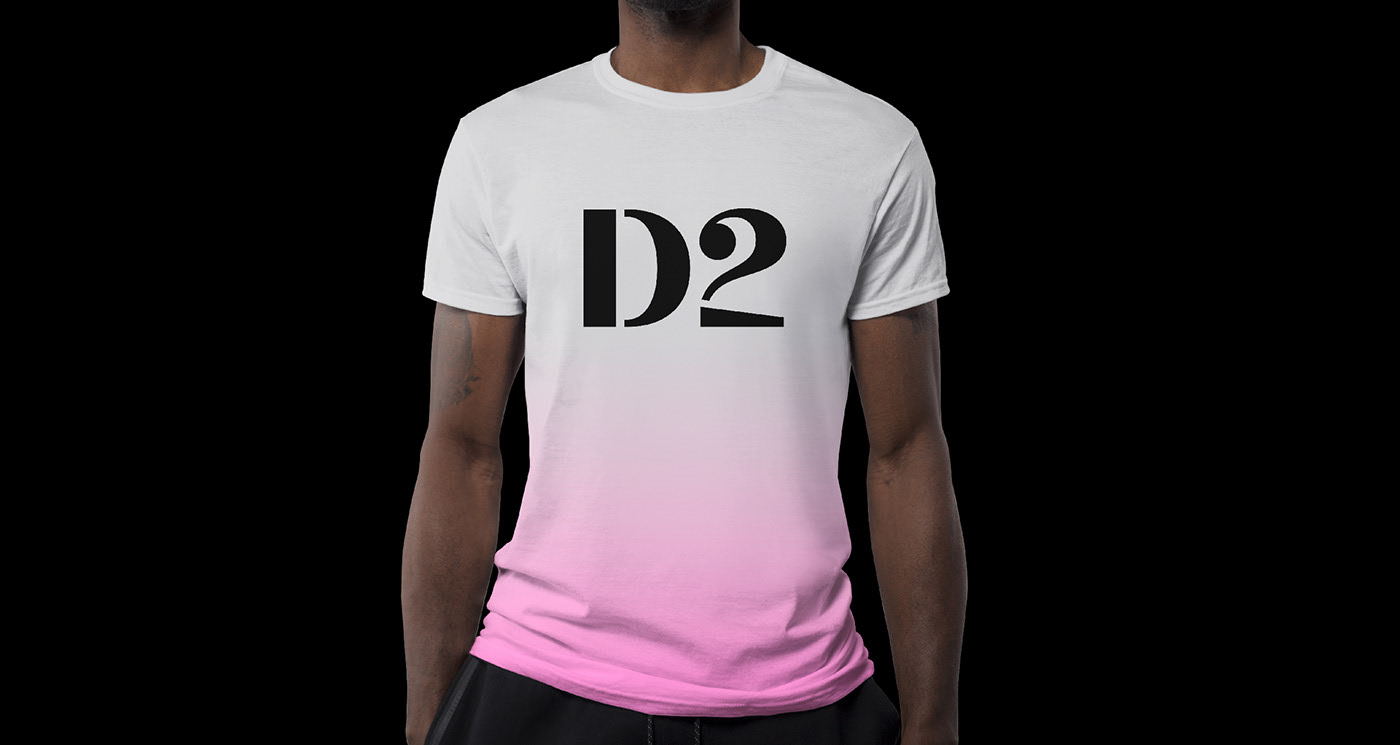

Every so often, a brand design choice feels like a time-travel artifact—something you expect to see in a dusty design museum, not on a fresh storefront. So here’s a playful question: why do some US brands still lean on D2—and why does it sometimes work? The potential challenge is obvious: in an era of razor-clean typography, tightly managed grids, and algorithmically “optimized” visuals, D2 can look quaint, inconsistent, or even accidentally retro. Yet, sometimes it’s a deliberate signal rather than a design mistake. Let’s unspool the mystery.

What “D2” Usually Signals to the Audience
In brand conversations, “D2” tends to function less like a single uniform rule and more like a shorthand for a design language that feels pragmatic, slightly utilitarian, and occasionally less “polished” than mainstream standards. It can show up as a visual cadence—layout, spacing, type behavior, or presentation style—that prioritizes immediacy over refinement.
Here’s the key: audiences don’t interpret design only through objective criteria. They interpret it through vibe. D2 often carries an undertone of “we’re real” or “we’re doing this ourselves.” That can be comforting, especially for brands that rely on trust, community, and authenticity rather than sleek authority.
Still, if D2 is deployed without intent, the audience may read it as carelessness. That’s where strategy matters.
The Appeal of “Unrefined” Visuals in a High-Gloss World
US consumer culture has been saturated with glossy branding for years: hyper-smooth gradients, perfectly tuned brand colors, and packaging that looks like it could belong in a tech launch. But high-gloss design can sometimes trigger skepticism. People start wondering: is this brand hiding behind polish?
That’s where D2 can be disarmingly effective. It can act like a cultural counterweight. When a brand’s visuals feel slightly imperfect—neither fully engineered nor over-curated—it can trigger a perception of transparency.
Not every audience wants a museum-quality presentation. Some want something that feels lived-in. Short sentences often land better here: people can sense effort, but they also sense performance.
Ugly Packaging: The Counterintuitive Psychology Behind It
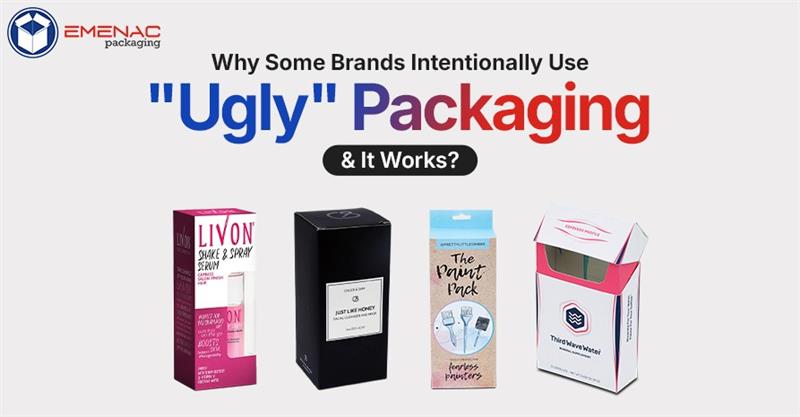
Ugly packaging isn’t just a punchline. It can be a tactic. When brands intentionally embrace a less “beautiful” presentation, they exploit a simple psychological pivot: the packaging becomes a promise of substance. If it looks too perfect, it can feel generic. If it looks slightly strange, it can feel distinctive.
D2 often overlaps with that tactic. When D2 has rough edges or unorthodox presentation, it can become a kind of visual wink—an admission that the brand isn’t trying to impersonate an award-winning studio.
Of course, there’s a line. “Ugly” can be charming, but “sloppy” is different. D2 is safest when it’s consistently applied and clearly intentional. Consistency turns quirks into identity.
Brand Positioning: D2 Works Best When It Matches the Story
The most important question isn’t whether D2 is trendy. It’s whether D2 harmonizes with the brand’s narrative. A brand can use a playful, slightly imperfect visual language when the story is about grassroots origins, community craftsmanship, or a refusal to perform “corporate polish.”
Imagine two brands. One sells artisanal goods and treats design as an extension of the maker’s hand. The other sells enterprise software and promises seamless predictability. If the second brand suddenly goes D2 without explanation, friction appears. If the first brand uses D2, friction transforms into resonance.
Positioning is the steering wheel. D2 is the road texture. The driver determines whether it’s a scenic route or a pothole problem.
Consistency Beats Perfection: The “System” Requirement
D2 fails most often when it’s treated as a shortcut. A one-off design experiment—random fonts, shifting alignment, inconsistent spacing—reads as neglect. But D2 can succeed when it behaves like a system, even if it looks imperfect at first glance.
A usable D2 approach still needs a set of rules: margins that don’t wander, typography that follows recognizable patterns, color usage that doesn’t flip between moods, and image treatment that remains predictable. Think of it as “structured imperfection.”
Long sentences can hide detail, so keep this simple in practice: decide the rules, document them, and enforce them across channels. That turns D2 from a risk into a recognizable signature.
When D2 Feels Native: Small-Market, Local, and Community Brands
Many US brands operate at a human scale—local bakeries, neighborhood apparel labels, indie coffee roasters, niche publishers. For them, D2 can feel native to the environment. Their customers may come for familiarity, not spectacle.
D2 can also thrive in community distribution channels: weekend markets, pop-up events, local bulletin boards, and small-run packaging. In these contexts, the “immediacy” of D2 can win. It doesn’t demand attention with flash; it earns attention with personality.
Short sentence, big truth: in local spaces, charm competes with polish—and often wins.
The Photo and Motion Factor: GIFs, Posters, and Texture

Sometimes D2 works because the brand’s media format naturally supports it. Animated GIFs, grainy textures, hand-touched posters, or imperfect photo treatments can turn D2 from an aesthetic liability into an atmospheric advantage.
When motion is involved, audiences often interpret “messiness” as energy. A D2-ish brand identity that moves with intention can feel more alive than a perfectly static design. The trick is restraint: allow texture, but keep the message legible.
If the typography becomes unreadable, the novelty will quickly sour. D2 should charm first, then communicate. Communication is the destination, not the detour.
Risk Management: When D2 Stops Being Fine
D2 becomes problematic when the brand’s promise demands high trust, strict clarity, or immediate comprehension—think healthcare, finance, legal services, and safety-critical packaging. In those cases, design must be unambiguous. A D2-like aesthetic can create cognitive strain.
Also watch out for the “brand dilution” effect. If D2 is used across unrelated product lines with no shared structure, customers may struggle to recognize the brand consistently. Recognition is the real currency.
Here’s the challenge framed plainly: if people need to “decode” your design, you’re spending attention you don’t have. Fix the decode burden before leaning into quirk.
How to Keep D2 Intentional: Practical Guidelines
If you decide D2 is part of your brand language, treat it like a craft. Use a limited typographic palette. Establish a grid, even if it’s slightly irregular. Choose one or two “imperfect” behaviors—like slightly off-register elements or intentionally imperfect textures—and commit.
Use imagery with consistent tonal treatment. If your photos are meant to feel candid, don’t suddenly switch to sterile studio lighting. That tonal whiplash feels like an identity fracture.
Finally, test it. Put the design in real contexts: small mobile screens, crowded feeds, shelf distance, and event lighting. D2 can look charming on a design file and become unreadable in the wild. Real-world friction is the final judge.
Conclusion: D2 Is Not a Style—It’s a Decision
So, why do some US brands still use D2? Because sometimes it signals authenticity, differentiates the brand, and aligns with a story that values humanity over immaculate performance. The trick is that D2 isn’t “fine” by default; it’s fine when it’s intentional, consistent, and suited to the audience’s expectations.
Use it like a seasoning, not like the entire meal. Let it create personality without sacrificing legibility. When D2 earns its place, it stops being an awkward artifact and becomes a signature people recognize—even before they read the label.