
Psoriasis can feel like an unruly immune rehearsal—day after day, the skin tries to re-form faster than it should. When people search for ways to calm those inflammatory rhythms, vitamin D often appears in the conversation. But the question isn’t simply “Should I take vitamin D?” It’s also “How should it reach the skin or the body—topically or orally?” High-dose vitamin D can be alluring, especially when itching, scaling, and redness persist despite standard care. Yet the real story is nuanced: the route of delivery influences both effectiveness and risk, and the “best” option is rarely universal.

Why Vitamin D Matters in Psoriasis Biology
Vitamin D is more than a nutrient you associate with bones. In psoriasis, it behaves like a regulatory signal. Keratinocytes—the skin cells that dramatically accelerate turnover in psoriasis—respond to vitamin D metabolites that help normalize growth, encourage differentiation, and dampen inflammatory pathways. At the same time, vitamin D can influence the immune milieu by tempering certain T-cell responses and modifying cytokine expression.
That is why vitamin D-based therapies have historical staying power in dermatology. The biology is complex, but the principle is straightforward: psoriasis involves abnormal immune signaling and abnormal cell behavior. Vitamin D can intersect with both.
Topical High-Dose Vitamin D: Calcitriol and Its Derivatives
Topical vitamin D analogs—such as calcipotriol (often seen as a “D3 analog”), and other related formulations—are designed to deliver effects directly within the skin. This is an advantage when a person’s psoriasis is primarily localized or when systemic exposure is best minimized.
Topical regimens often aim for local control rather than full-body modulation. Many patients notice gradual improvement: the initial phase may involve less visible scaling, then a reduction in redness and thickness. Some individuals find that using topical vitamin D alongside other therapies (like corticosteroids or moisturizers) enhances results through synergy.
However, “high-dose” on the topical side usually means stronger or more concentrated dosing schedules within a safe topical framework—not uncontrolled application. Overuse can trigger irritation or worsen flare-ups in sensitive areas. It can also contribute to altered calcium metabolism, though the risk is typically lower than with oral high-dose strategies when used correctly.

Oral High-Dose Vitamin D: When the Strategy Targets the Whole System
Oral vitamin D changes the game. Instead of influencing skin cells chiefly through local application, high-dose oral supplementation aims to raise circulating vitamin D levels, which can then affect skin homeostasis indirectly. For some patients—particularly those with documented deficiency—oral dosing may help create a more favorable baseline environment.
Oral high-dose vitamin D is not a casual experiment. The body must convert vitamin D into active metabolites, and the conversion pathway interacts with absorption, liver processing, and kidney function. That matters because psoriasis does not occur in isolation; comorbidities, baseline labs, and medication interactions all shape outcomes.
One of the most important risks with oral high-dose vitamin D is hypercalcemia—an excess of calcium in the blood. Symptoms can include nausea, constipation, excessive thirst, confusion, and fatigue. Chronic overshooting can create kidney-related complications. Because of this, oral high-dose vitamin D generally demands lab monitoring and clinician guidance.
Topical vs Oral: Mechanisms of Action and Practical Differences
Comparing topical and oral approaches is like comparing a spotlight to a household dimmer. Topical vitamin D is concentrated at the site of disease. Oral vitamin D is distributed through the bloodstream and may influence broader immune signaling patterns.
In practical terms, topical therapy tends to be easier for people with limited body involvement. It can also be safer from a systemic-calcium perspective when used as directed. Oral therapy can be useful when psoriasis is widespread, stubborn, or accompanied by vitamin D deficiency.
Time course can differ too. Topicals may show change within weeks, though flare cycles can complicate perception. Oral therapy may require longer—sometimes several weeks—to reflect stable systemic vitamin D status. Still, psoriasis is not linear; it waxes and wanes, so expectations should be calibrated accordingly.
Evidence-Based Expectations: What Readers Can Realistically Anticipate
High-dose vitamin D is not a guaranteed cure. Psoriasis behaves like a chronic inflammatory condition with multiple drivers. Vitamin D—topical or oral—may improve control, but it often works best as part of a layered strategy.
Many readers should expect a response spectrum. Some will experience clearer plaques and less shedding. Others may see modest improvement or need escalation to additional treatments such as phototherapy, systemic agents, or biologics. Even when vitamin D is helpful, adjustments to frequency, the addition of moisturizers, or combination therapy with anti-inflammatory agents can determine whether benefits feel meaningful.
It’s also wise to anticipate periods of “plateau.” Psoriasis can stabilize after an initial improvement, then require reassessment. The goal is sustainable remission, not short-lived relief.
Safety First: Risks, Monitoring, and Who Should Be Cautious
Safety depends heavily on the route.
Topical risks: skin irritation, redness, or worsening burning sensations if applied too aggressively. Facial application may require careful guidance due to sensitivity. Overuse beyond recommended limits can increase systemic absorption.
Oral risks: hypercalcemia, elevated calcium in urine, kidney strain, and medication interactions. People with a history of kidney stones, hyperparathyroidism, sarcoidosis, certain granulomatous disorders, or compromised renal function often need extra scrutiny.
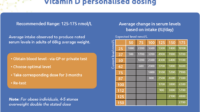
Monitoring typically includes calcium levels and sometimes vitamin D status (25-hydroxyvitamin D), depending on the regimen. Baseline labs can transform a “guessing game” into a measured plan. This is especially critical when the phrase “high-dose” appears.
Designing a Personal Regimen: Combining Therapy Without Chaos
Psoriasis care works best when treatment decisions are coherent, not improvised. A practical regimen might include topical vitamin D as maintenance between flares, a different anti-inflammatory agent during flare intensity, and consistent moisturization to preserve the skin barrier.
Oral vitamin D may pair with lifestyle measures—sun exposure (within safe limits), diet adjustments, and addressing deficiency causes. Yet supplementation should align with lab results, not internet estimates. People often forget that vitamin D is fat-soluble, which can change how excess accumulates over time.
Spacing matters. If multiple agents are used on the same day, a clinician-guided schedule can reduce irritation and increase adherence. Consistency beats intensity when it comes to chronic conditions.
Content Formats Readers May Expect: How to Evaluate Guidance
High-quality education around high-dose vitamin D often appears in several content forms:
1) Step-by-step dosing narratives: These explain how to start gradually, when to reassess, and what “titration” means in real life. They may include short checklists and timelines that reduce anxiety.
2) Safety-focused explainers: These emphasize symptoms of excess calcium, the logic behind lab monitoring, and “red flag” moments. They tend to use clear bullet points and decision trees.
3) Skin-first guides vs lab-first guides: Topical content often discusses application technique, coverage, and irritation management. Oral content often discusses absorption, blood tests, and comorbidity considerations.
4) Patient-centered diaries: Some articles present “what happened over eight weeks” storytelling. These are useful for expectation-setting, but they should still align with clinical safety principles.
5) Clinician-style comparisons: Side-by-side tables or structured paragraphs that distinguish mechanism, outcomes, and risk profiles help readers decide what questions to ask at appointments.
To evaluate any guidance, readers should look for clarity on dose definition (how “high-dose” is framed), safety monitoring, and whether the approach accounts for psoriasis severity and personal health history.
Frequently Asked Questions: The Quick Answers That Prevent Missteps
Is high-dose vitamin D always better? Not necessarily. Higher is not automatically more effective; it can increase risk, particularly with oral regimens.
Can topical vitamin D replace systemic therapy? Sometimes, especially for limited disease. For extensive or treatment-resistant psoriasis, systemic strategies may still be required.
How long until improvement? Many people see changes within weeks, but psoriasis cycles can blur timelines. A structured reassessment plan usually matters more than a single “waiting period.”
Should I test my vitamin D level first? For oral high-dose approaches, testing is often essential for safety and precision. It helps prevent unnecessary supplementation.
The Bottom Line: Choosing the Right Route for the Right Psoriasis Moment
High-dose vitamin D can be a powerful tool—when the plan respects biology and safety. Topical vitamin D often offers localized benefits with a lower systemic burden, making it attractive for plaque-focused disease and maintenance. Oral high-dose vitamin D can support broader immune and skin signaling, particularly when deficiency is present, but it demands caution and monitoring due to hypercalcemia risk.
Psoriasis is not a single problem. It’s an ecosystem of inflammation, skin turnover, barrier disruption, and immune signaling. The most effective “vitamin D strategy” usually blends route selection, realistic timelines, and careful oversight—turning high-dose vitamin D from a tempting headline into a disciplined, patient-centered treatment pathway.