
For years, vitamin D has been treated like a background ingredient—important, yes, but rarely discussed with the drama it deserves. Then a quieter question slips into the conversation: not just how much vitamin D you take, but which form matters. D2 and D3 often appear as simple labels on a supplement bottle, yet they carry different biological “stories.” And when the immune system becomes the main character—over and over again—that distinction stops feeling academic and starts feeling urgent. Let’s shift perspective. Instead of asking “Which is better?” as if one option wins in a vacuum, consider how each form behaves inside the body’s immune theater—where timing, metabolism, and biochemical affinity decide what gets amplified, what gets muted, and what gets ignored.

Two Forms, One Job—But Not One Biography
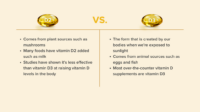
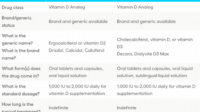
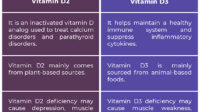
Vitamin D is more than a nutrient; it’s a hormonal signal that nudges immune cells toward readiness. D2 (ergocalciferol) and D3 (cholecalciferol) both aim to help the body build its vitamin D reservoir, but their pathways aren’t identical. Think of D3 as a “native dialect” spoken comfortably by human physiology, while D2 is more like a well-intentioned translation that sometimes takes extra interpretive steps.
Both forms can raise vitamin D levels, but the immune system cares about the downstream effect: the immune cells’ access to active vitamin D signaling. This is where perspective matters—immune benefits aren’t merely about intake. They’re about how effectively vitamin D becomes available when inflammatory cues start firing.
How Vitamin D Shapes the Immune System’s Rhythm
When vitamin D is sufficient, immune regulation tends to look less like chaos and more like choreography. It supports innate defenses—your body’s immediate responders—while also influencing adaptive immunity, which involves more targeted, learning-based responses. In practical terms, vitamin D helps guide processes like:
• Modulating inflammatory pathways so they don’t overshoot.
• Encouraging appropriate antimicrobial responses in barrier tissues.
• Tuning the behavior of immune cell subsets to reduce unnecessary collateral damage.
Short sentences help here: immune systems are not static. They’re responsive. Vitamin D works as a regulatory “volume knob,” not a loudspeaker that turns everything up.
D3 and Immune Readiness: Why Many People Feel a Difference
D3 is often associated with robust, stable increases in vitamin D status, which may translate into steadier immune signaling. In the immune landscape, stability is underrated. A fluctuating supply can mean inconsistent activation of immune-modulating pathways. Meanwhile, D3’s reputation for maintaining vitamin D levels effectively makes it an attractive candidate for supporting year-round immune competence.
Imagine your immune system as a well-trained ensemble. If the conductor’s cue timing is inconsistent, rehearsals suffer. Vitamin D status can influence that cue timing. The immune benefits often feel more “coherent” when vitamin D availability remains steady rather than sporadic.
D2’s Role: Useful, but How It Fits the Immune Equation
D2 can still contribute to vitamin D status and may support immune functions for some individuals. The key nuance is that “contributing” doesn’t always equal “maximizing.” Immune benefits depend on how reliably vitamin D status is maintained. For certain people—depending on baseline levels, dietary patterns, sun exposure, and overall metabolism—D2 may be sufficient. For others, it may feel like a temporary patch rather than a durable foundation.
There’s also the practical dimension: some formulations are chosen for dietary or sourcing reasons, and some people respond well to them. The immune system is not one-size-fits-all. It reads the body’s biochemical context, not just the label on a supplement.
Active Vitamin D Signaling: The Conversion Factor That Matters
Here’s the part that quietly flips intuition on its head. Vitamin D benefits don’t arrive as a finished product at the immune cell. They travel through conversion steps—first being processed in the body and then participating in signaling once active forms are produced. Immune outcomes are therefore linked not only to vitamin D intake, but to how effectively each form becomes available through metabolic “handoffs.”
When vitamin D signaling is well-supported, immune regulation tends to become more balanced—less reactive inflammation, more coordinated defense. When it’s under-supported, immune processes can become harder to steer.
Promises of a Shift in Perspective: Not “Which One Wins,” But “Which One Works for You”
It’s tempting to search for a single winner. Yet immune health rarely behaves like a sports bracket. Instead, consider a shift in perspective: focus on your current vitamin D baseline and your real-world constraints. Are you often indoors? Do you have limited sun exposure? Do you have dietary patterns that rarely include vitamin D-rich foods? Are you aiming for maintenance or rebuilding low levels?
If your goal is steady immune support, D3’s track record for maintaining vitamin D status often appeals to people who want predictability. If you choose D2 for specific reasons, it can still be a legitimate strategy—especially when paired with periodic monitoring and smart dosing. The immune system does not reward guessing. It rewards alignment between dosing and biochemical reality.
Immune Timing: Why Consistency Beats Sporadic “Boosts”
Even the best form can underperform if dosing is erratic. Immune modulation is not a one-day switch. Many immune processes respond over time to changes in vitamin D status. That means consistency—both in supplementation and in lifestyle factors like sun exposure—can matter as much as the type.
Think in seasons. Winter tends to compress opportunities for natural vitamin D synthesis. For people sensitive to seasonal immune fluctuations, maintaining stable vitamin D status can be a proactive measure rather than a reactive scramble.
Barrier Defense and Antimicrobial Potential
The immune system doesn’t just fight from the inside; it guards borders. Vitamin D is associated with support for barrier-related defense mechanisms, including the behavior of cells in skin and mucosal tissues. When these barriers are well-regulated, they can be more resilient against microbial pressure.
This is where the “quiet work” becomes visible. Vitamin D doesn’t always feel dramatic. Instead, it can help the immune system behave as if it has better situational awareness—responding appropriately, not overreacting, and maintaining defense readiness.
Inflammation Balance: The Immune System’s Tightrope
Chronic inflammation can be like a house fire that never fully goes out. Vitamin D’s regulatory influence is often described as supporting a more balanced inflammatory state. When vitamin D signaling is adequate, immune cells may be more capable of calibrating responses—less prone to reckless intensity, more capable of restraint.
Restraint is not weakness. It’s strategy. The immune system’s ability to avoid “collateral heat” may be one of vitamin D’s most meaningful immune benefits.
Who Might Prefer D3 vs D2?
While individual needs vary, many people lean toward D3 when they want dependable maintenance and steadier vitamin D status. Others choose D2 due to personal preferences, dietary constraints, or supplement availability. Neither choice automatically condemns the other; the real question is whether your vitamin D status stays within a healthy range.
If you’re uncertain, monitoring becomes a form of empowerment. Instead of trusting assumptions, you can use bloodwork to inform adjustments. Immune health responds to evidence, not slogans.

Practical Considerations: Dosing, Absorption, and Safety
Supplements should be chosen thoughtfully. Vitamin D is fat-soluble, meaning it often pairs well with meals that contain dietary fat. Absorption can vary across individuals, and baseline vitamin D status influences how your body responds.
Safety matters. Too much vitamin D can create problems, and immune health is not served by excessive dosing. A smart approach involves: selecting an appropriate dose, staying consistent, and revisiting levels when needed—especially if high-dose strategies are used.
Short version: consider your intake, but also consider your body’s feedback loop.
The Bottom Line: Which Is Better for Immune Benefits?
If the immune system is your focal point, many people conclude that D3 is the more compelling choice for supporting steady vitamin D status, which can support the immune system’s regulatory functions over time. Yet D2 is not automatically inferior; it can still support immune health when it effectively raises and maintains vitamin D levels in your body.
Here’s the most useful takeaway: don’t treat the decision as a battle between two names. Treat it as a personalization puzzle. The “better” form is the one that reliably achieves adequate vitamin D status for you, consistently and safely—so your immune system can operate with balanced precision, like a well-tuned instrument rather than a rattling alarm.
Curiosity to Action: Your Next Step
After all this, a new question emerges—one worth answering. What is your current vitamin D status, and how does it align with your immune goals? The most empowering path is to turn curiosity into measurement, then measurement into adjustment. When vitamin D status matches your needs, immune support becomes less about hoping and more about having the biochemical groundwork in place.
Choose the form thoughtfully. Track the outcome. Let your immune system receive what it’s been waiting for: consistent, well-supported vitamin D signaling.