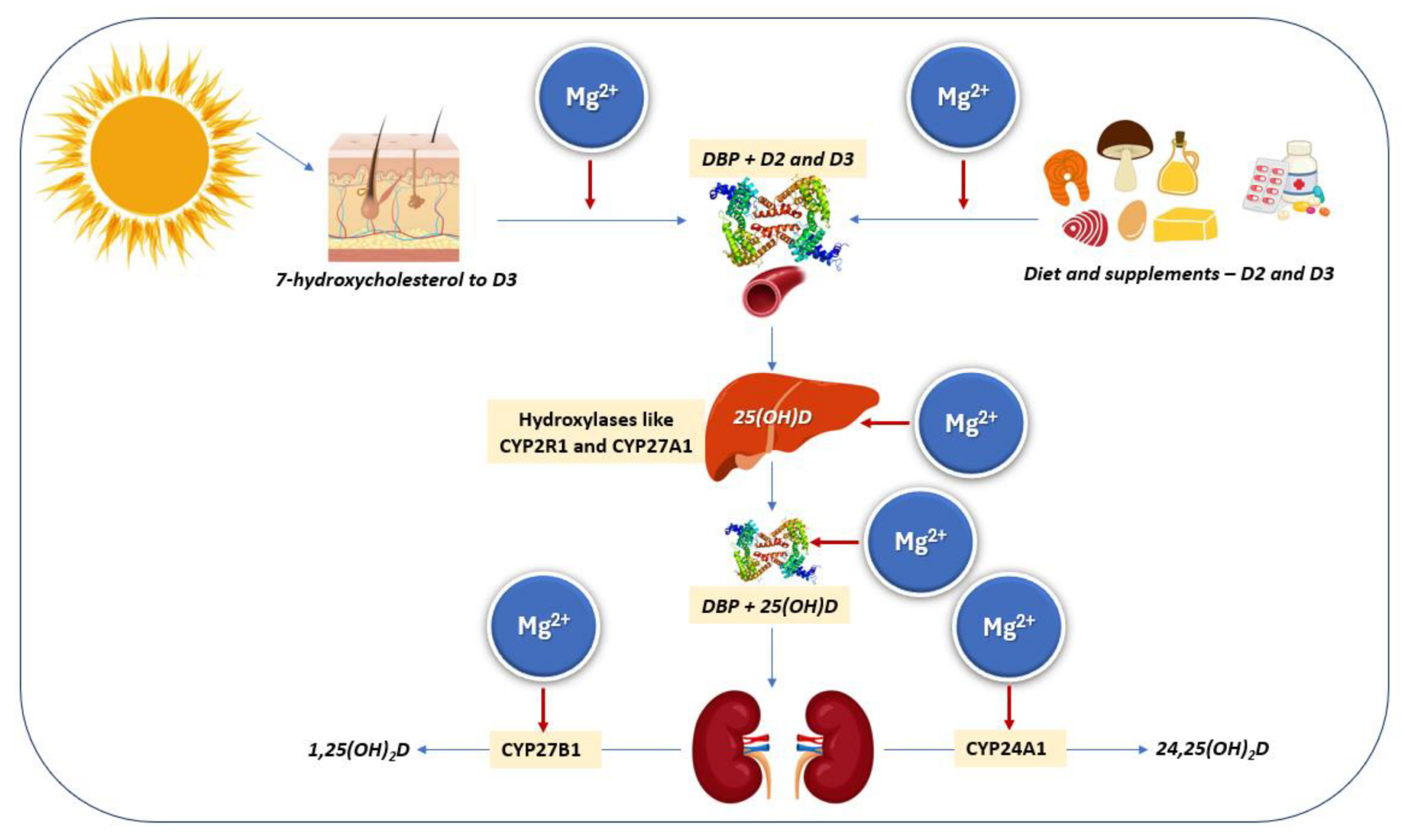
Autoimmune diseases often feel like a paradox: the immune system—built to defend—mistakes self for threat. Prevention, then, becomes less about “one magic lever” and more about nudging underlying biology toward stability. Two nutrients repeatedly surface in this conversation—vitamin D and magnesium—because they participate in immune regulation, inflammation control, and cellular signaling. When they move out of rhythm, immune tolerance can fray. When they align, the body gains a better chance to keep misdirected inflammation from gaining momentum.
Why the “immune thermostat” matters
Think of immune regulation as a thermostat with both sensors and relays. Vitamin D and magnesium influence multiple relays at once: they shape how immune cells communicate, how inflammatory pathways turn on, and how tolerance is maintained. Vitamin D is often described as immunomodulatory, but the more precise idea is that it helps recalibrate immune activity. Magnesium, meanwhile, is frequently overlooked in public discussions, yet it acts as an essential cofactor across hundreds of enzymatic reactions. That means magnesium shortage can ripple through signaling networks that determine whether immune responses become appropriate—or overzealous.
Autoimmunity tends to emerge where several conditions coincide: genetic susceptibility, environmental triggers, and immune dysregulation. Nutrient insufficiency can be one of those “quiet accelerants,” subtly lowering the immune system’s ability to self-correct.
Vitamin D: beyond bone health, toward immune orchestration
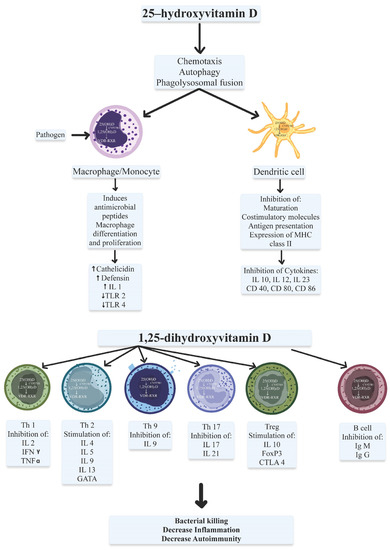
Vitamin D is synthesized in the skin under ultraviolet light and also obtained through diet. Once activated in the body, it influences gene expression through vitamin D receptors present in many immune cells. This matters because autoimmune conditions often reflect chronic immune activation rather than a single event. Vitamin D can dampen pro-inflammatory signaling and support pathways associated with tolerance.
Different autoimmune diseases vary in their immune signatures. Still, vitamin D tends to occupy a common role: it helps immune cells avoid a perpetual “ready-to-fire” posture. In practical terms, adequate vitamin D status may reduce the likelihood that immune cells interpret normal tissues as targets.
Readers who enjoy deeper biological detail may appreciate content explaining vitamin D metabolism: conversion steps, circulating forms such as 25(OH)D, and why optimal status is distinct from “some level.” Others may prefer a more grounded approach—what to monitor, how lifestyle affects vitamin D, and how supplementation decisions are typically framed.
Magnesium: the quiet cofactor that keeps cellular conversations fluent
Magnesium is often called a “cofactor nutrient,” and that phrase is not merely technical—it is explanatory. Many immune and metabolic processes rely on magnesium-dependent enzymes. Without sufficient magnesium, cellular signaling can become erratic. Calcium signaling, for instance, is tightly modulated by magnesium; when magnesium is low, calcium-related pathways can swing toward excessive activation. That can influence inflammatory responses.
Magnesium also plays a role in maintaining mitochondrial function, oxidative balance, and stress response pathways. Autoimmunity is frequently accompanied by oxidative stress and inflammatory signaling loops. Magnesium helps buffer those loops, improving the likelihood that immune regulation remains coordinated rather than chaotic.
Some audiences may want a “food-first” angle here: leafy greens, legumes, nuts, seeds, and whole grains as magnesium sources. Others may seek guidance on supplement forms and tolerability—glycinate, citrate, or other options—especially when gastrointestinal sensitivity is a concern.
The link: how vitamin D and magnesium cooperate
The connection between vitamin D and magnesium is not simply “they’re both good.” They can be interdependent. Magnesium is involved in the processes that convert vitamin D into active forms and supports vitamin D receptor function indirectly through cellular homeostasis. When magnesium is deficient, vitamin D metabolism may become less efficient, leading to a scenario where supplementation alone does not fully correct immune-related functions.
In autoimmune prevention, this becomes especially relevant: immune stability often depends on a network, not a single molecule. If vitamin D status looks adequate but magnesium is low, the immune system may still lack key regulatory support. Conversely, adequate magnesium with poor vitamin D status may leave tolerance pathways underpowered.
This is why cohesive prevention strategies frequently emphasize both nutrients together. For readers who like actionable framing, content can explore “paired optimization” rather than isolated supplementation. For readers who prefer narrative education, the link can be presented as a conversation between two regulators—one guiding immune gene expression and another ensuring the biochemical machinery runs smoothly.
Inflammation pathways that may be influenced by these nutrients
Autoimmune disease risk is influenced by multiple inflammatory pathways, including cytokine signaling and innate immune activation. Vitamin D can influence the balance between inflammatory and regulatory immune responses. Magnesium can influence cellular stress signals and energy metabolism—both of which affect how strongly immune pathways amplify.
Some people enjoy specific, mechanism-oriented content—how immune cells like T lymphocytes and antigen-presenting cells respond to vitamin D signaling and how magnesium affects receptor function and enzymatic steps. Others prefer a high-level, less technical explanation: “these nutrients help keep inflammation from turning into a self-perpetuating loop.” Both styles belong in a comprehensive guide because readers arrive with different preferences.
Regardless of format, the central theme remains consistent: immune dysregulation often involves both “turning up” and “failing to turn down.” Vitamin D and magnesium support both sides of that control system.
Who might benefit most: prevention vs. symptom management
Prevention is not one-size-fits-all. People with a family history of autoimmune diseases, those who experience chronic gut irritation, individuals with frequent infections, or anyone navigating high-stress living environments may consider nutrient optimization as part of a broader risk-reduction approach. However, prevention should not imply certainty. Autoimmunity is multifactorial; nutrients are supportive factors, not deterministic causes.
For those already living with an autoimmune condition, the “nutritional lens” may still be valuable—especially as adjunctive support. Yet it’s important to avoid oversimplified promises. Adequate vitamin D and magnesium status may support healthier immune signaling and reduce inflammatory burden, but they do not replace evidence-based medical management.
Readers seeking practical clarity often appreciate structured “self-check” content: what symptoms to discuss with a clinician, which lab measures are commonly used, and how lifestyle factors can complicate interpretation of results.
Testing, targets, and cautious supplementation
Most prevention narratives benefit from a testing-centered section, because it prevents guesswork. Vitamin D status is commonly assessed using blood measurement of 25-hydroxyvitamin D. Magnesium status is more complex; serum magnesium can be an imperfect proxy for total body stores. Still, clinicians may consider symptoms, dietary intake, medications, and lab findings to guide decisions.
Supplementation deserves nuance. Vitamin D is fat-soluble, meaning excessive dosing can accumulate. Magnesium supplements vary in tolerability and absorption, and some forms can cause gastrointestinal side effects. A prevention-minded approach prioritizes reasonable dosing, consistent follow-up, and attention to interactions with medications such as certain antibiotics or thyroid-related drugs.
Short-form content can translate this into a simple checklist. Long-form content can explore the logic behind dosage adjustments, how lifestyle affects absorption, and what “repletion” typically means in real clinical practice.

Dietary strategies that naturally elevate both nutrients
Food is not merely fuel; it is a biochemical toolkit. For magnesium, diets rich in legumes, nuts, seeds, and leafy greens supply steady amounts. For vitamin D, food sources include fatty fish, fortified dairy or plant milks, and egg yolks, though many people still rely on sunlight exposure for substantial vitamin D production.
Readers often enjoy “day-by-day” meal pattern ideas—breakfast options that include magnesium-rich components, lunch bowls that incorporate vitamin D-supportive foods, and dinner plans that combine both. A detailed guide can also address barriers: low sun exposure, dietary restrictions, and socioeconomic constraints that influence access to nutrient-dense foods.
When the narrative is grounded in daily life, it becomes easier to adopt. Short sentences help reinforce the habit-building steps. Longer sentences can paint a picture of gradual immune stabilization—subtle, ongoing, and cumulative.
Lifestyle context: sleep, stress, and the immune ripple effect
Nutrients do not exist in isolation. Sleep quality shapes hormonal rhythms that influence immune function. Chronic stress can tilt immune signaling toward inflammation and reduce adherence to healthy habits. Exercise—appropriate to the individual—can support immune balance and metabolic health. These lifestyle variables can either strengthen or undermine nutrient efforts.
A comprehensive autoimmune prevention article should therefore weave vitamin D–magnesium optimization into a larger blueprint: consistent routines, stress reduction practices, and movement that supports metabolic resilience. This is where uncommon terminology can be useful. For example, describing the immune system as a “dynamic adaptive network” emphasizes that prevention is about maintaining adaptability, not achieving a single static state.
Common misconceptions and how to think clearly
One misconception is that more supplementation always equals more protection. Another is that vitamin D is only about immunity “in general,” rather than specific signaling outcomes. A third is that magnesium is always easy to fix with any supplement, ignoring form, dose, and tolerance.
Readers benefit from a corrective approach: nutrients can support immune function, but they do not override genetics, infections, environmental triggers, or medical conditions. Clear thinking also means recognizing that laboratory values can be influenced by time of year, hydration status, medications, and individual metabolism.
What content readers can expect next: practical, narrative, and actionable
A strong guide on the vitamin D–magnesium link can be structured in multiple “entry points.” Some sections can be story-driven, explaining how nutrient insufficiency can quietly alter immune decision-making over time. Others can be technical, mapping vitamin D signaling and magnesium-dependent enzymatic roles. Still others can be designed for action: lists of magnesium-rich foods, discussion of vitamin D sources, suggested questions to bring to a clinician, and symptom-aware considerations.
For readers who want quick takeaways, summaries can condense the essentials into brief bullet points. For readers who crave depth, the same themes can expand into detailed mechanisms, evidence-inspired context, and realistic expectations.
Closing perspective: prevention as immune harmony
Autoimmune prevention is often framed as “risk management,” but it can also be framed as harmony. Vitamin D helps tune immune signaling toward balance. Magnesium supports the biochemical infrastructure that keeps cellular responses measured. Together, they offer a biologically plausible, practical route for strengthening immune regulation—especially when paired with good sleep, stress-aware living, and nutrient-dense eating.
The most effective approach is rarely dramatic. It is steady. It is thoughtful. It is the quiet work of correction before the immune system has to scramble to regain control.