Vitamin D often steals the spotlight in conversations about immunity, bone strength, and mood. Yet, balance is the quiet architect behind every reliable health outcome. When vitamin D levels climb too high or when the body’s regulatory systems are stressed, another nutrient—vitamin A—steps into the conversation. Vitamin A doesn’t merely “compete” with vitamin D. It helps orchestrate how the body interprets fat-soluble signals, supports barrier integrity, and influences immune tone. In other words, vitamin A can be a stabilizing counterweight for the broader vitamin D narrative, especially when intake patterns, supplementation habits, or individual physiology push the system off-center.
Why “balancing” matters: fat-soluble nutrients and biochemical reciprocity
Vitamin A and vitamin D belong to the fat-soluble club, meaning their movement, storage, and utilization are tightly linked to lipids and the liver’s handling of circulating compounds. Fat-soluble vitamins don’t behave like water-soluble nutrients that flush out relatively quickly. They accumulate—sometimes helpful, sometimes hazardous—depending on dosage, baseline stores, and metabolism.
Balance becomes essential because vitamin D is not only a nutrient; it is also a signaling molecule. Its active form, calcitriol, influences gene transcription through nuclear receptors. Vitamin A, through its metabolites such as retinoic acid, also modulates gene expression. When both are present, they can shape overlapping immune and differentiation pathways. However, if one becomes excessive relative to the other, the signaling landscape can tilt, potentially altering inflammatory set points or tissue remodeling dynamics.
Vitamin A’s immunological “architecture”: supporting readiness rather than overreaction
Vitamin A is celebrated for its role in vision, but immunology is where its deeper influence often becomes visible. It supports epithelial barriers—skin, respiratory lining, and the gut—those first-line barricades where pathogens are either neutralized or welcomed. A well-maintained barrier reduces the immune system’s need for constant escalation.
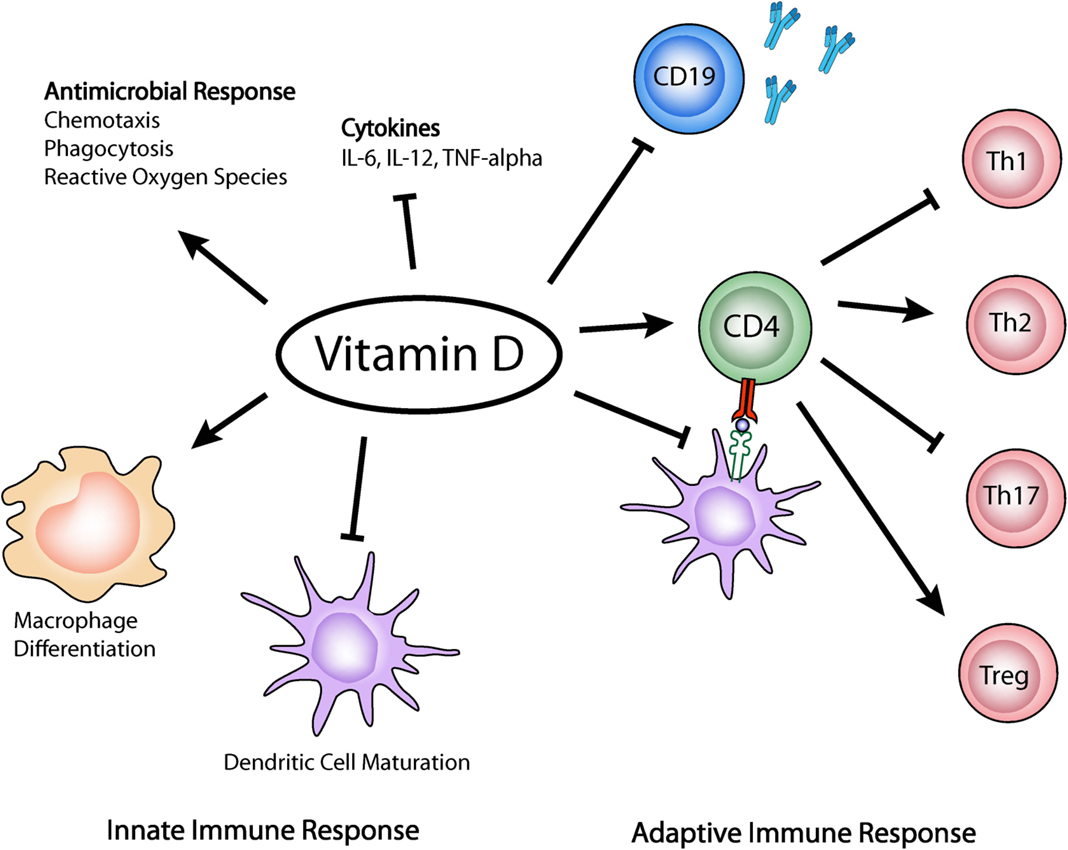
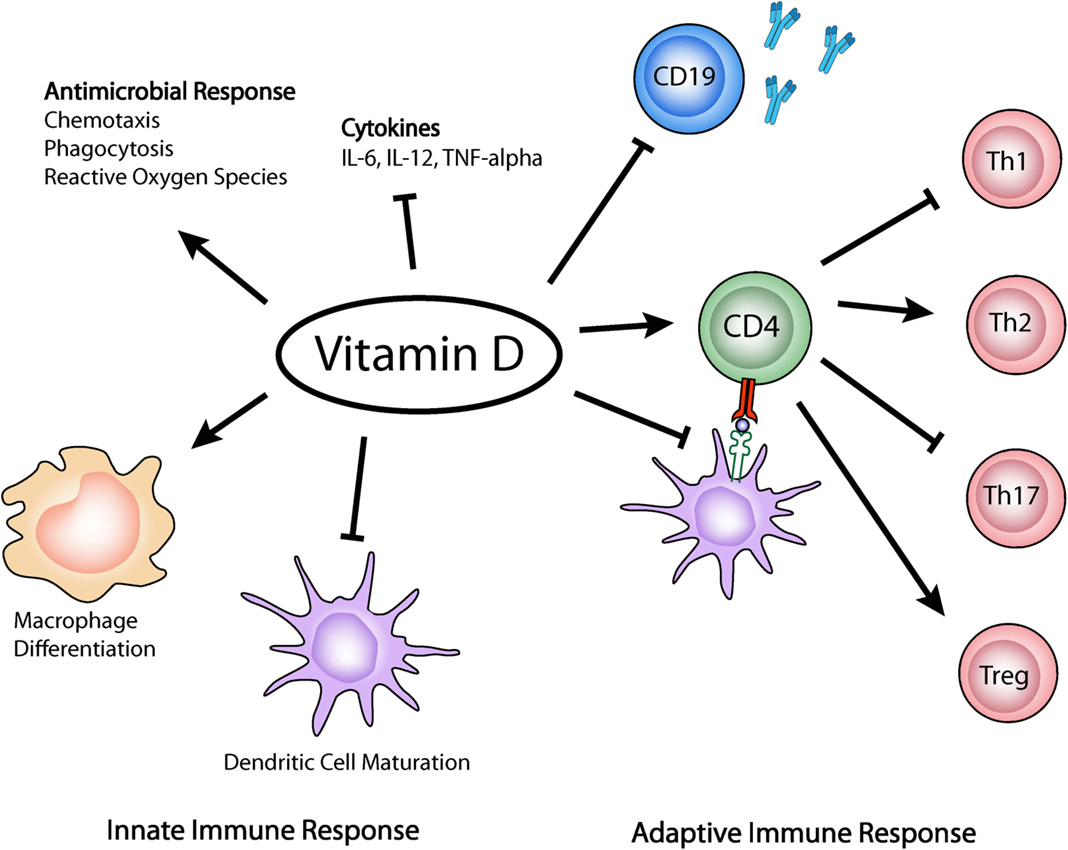
Vitamin D, in parallel, is frequently discussed for its immune-modulatory effects, including the promotion of antimicrobial responses and the calibration of inflammatory signaling. When vitamin A is inadequate, barrier integrity can decline, and immune pathways may respond more erratically. That can create a scenario where vitamin D’s presence doesn’t fully translate into beneficial outcomes because the upstream “terrain” is unstable.
Short version: vitamin A can influence the context in which vitamin D’s immune signals are interpreted—turning a biochemical conversation into a coherent strategy.
Retinoids and vitamin D receptor crosstalk: gene expression as the meeting ground
Both vitamin D and vitamin A ultimately affect gene transcription. Vitamin D signals through the vitamin D receptor (VDR), while retinoids influence retinoic acid receptors (RAR) and retinoid X receptors (RXR). These receptor networks can cooperate—or compete—for regulatory space, depending on cell type and hormonal milieu.
This is not a simplistic rivalry. Think of it as a choreographed dance: the same stage lights may illuminate different steps. Vitamin D often guides differentiation processes and immune equilibrium; vitamin A refines cell fate decisions and supports mucosal integrity. When both nutrients are present in physiologically reasonable proportions, cells may execute maturation programs more smoothly.
When imbalance occurs, the choreography can become jagged—more jitter in inflammatory messaging, less synchronized repair, and potentially a less stable inflammatory “set point.”
Hormonal regulation and the liver’s role: metabolism determines outcome
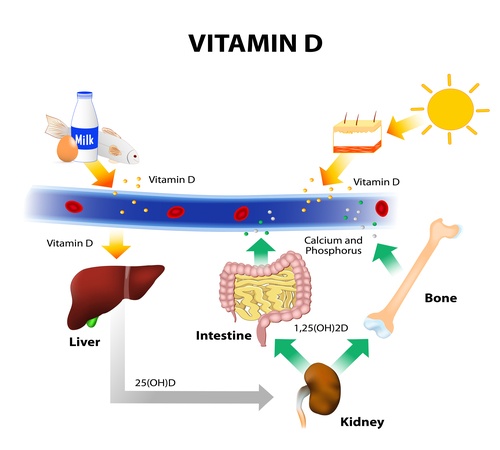
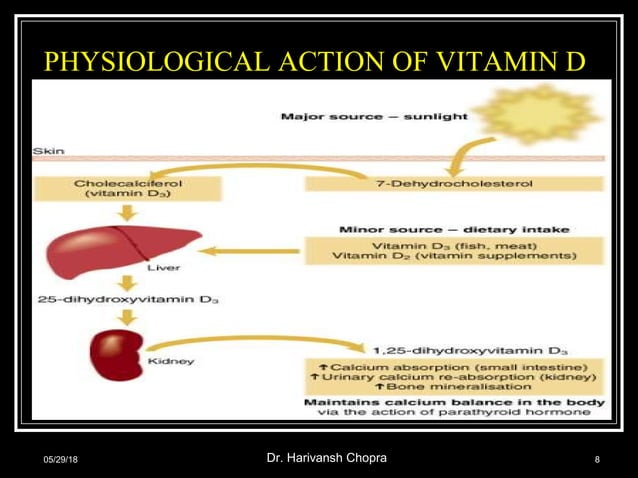
Vitamin A and vitamin D both require metabolic processing. The liver participates in storage and conversion, converting precursors into forms the body can deploy. If liver function is compromised, or if supplementation creates disproportionate loads, the balance that should be maintained at the tissue level may begin to wobble.
Vitamin A excess is a recognized concern because retinoids are potent. High retinol intake can elevate risk of toxicity, affecting the liver and potentially causing symptoms such as headaches, dizziness, and skin changes in sensitive individuals. Vitamin D excess can increase calcium levels, leading to complications such as kidney strain. The key idea is that “too much of one fat-soluble vitamin” can amplify physiological stress, forcing the body into compensatory modes.
So vitamin A’s balancing role is not permission to supplement aggressively. It’s a reminder that metabolic throughput and storage capacity matter. Balance is less about slogans and more about systems biology.
Clinical nuance: when supplementation becomes a balancing act
Many people test vitamin D and then supplement to correct deficiency. This can be beneficial, but it should be paired with context. Age, skin pigmentation, sun exposure, dietary fat, gut absorption, body composition, medications, and existing nutrient status all shift how vitamin D behaves.
Vitamin A status is equally variable. Some diets provide abundant carotenoids and retinoids, while others fall short. Carotenoids can be converted into vitamin A, but conversion efficiency varies by genetics, thyroid status, and overall nutrition. If vitamin D is corrected while vitamin A remains low, immune and barrier functions may still lag—reducing the “completeness” of vitamin D’s benefits.
Conversely, if someone increases vitamin A intake substantially while also supplementing vitamin D, the combined load may raise risk rather than harmony. The goal is not maximal supplementation; it is proportionality.
Sources and types of vitamin A: retinol, retinal, and carotenoids
Vitamin A exists in multiple forms. Preformed vitamin A (retinol and retinyl esters) is found in animal-based foods. Provitamin A carotenoids—especially beta-carotene—are common in plants. Each form has different absorption and conversion characteristics. This matters because “vitamin A intake” is not one single numeric concept; it is a spectrum of bioavailability.
Carotenoids tend to be self-limiting compared with high-dose retinol, because conversion to retinoids is regulated. That doesn’t mean they are risk-free in every scenario, but the conversion system usually adds a layer of restraint. From a balancing perspective, emphasizing carotenoid-rich foods can support vitamin A sufficiency without creating the same toxicity ceiling that sometimes accompanies high retinol supplementation.
In daily practice, a diet that includes leafy greens, orange and red vegetables, and colorful fruits often creates a smoother, more stable nutrient gradient than abrupt high-dose strategies.
Different types of vitamin D: D2, D3, and their functional implications
Vitamin D is also not a single monolith. Supplements commonly include vitamin D2 (ergocalciferol) or vitamin D3 (cholecalciferol). Natural dietary sources often provide D3, while fortified foods may include either form depending on region and manufacturer.
Both forms can raise circulating 25(OH)D, but their kinetics and potency can differ. This influences how quickly levels change and how long they remain elevated. If vitamin D rises rapidly without adequate overall nutrient support, some people may experience uncomfortable shifts in calcium regulation or immune reactivity.
Here, vitamin A’s balancing potential becomes more relevant as a “context stabilizer.” Adequate vitamin A supports barrier and immune alignment, which can help prevent the body from overcompensating when vitamin D signaling changes.
Food-first balancing: practical dietary patterns for cohesion
Balancing vitamin D with vitamin A doesn’t have to be complicated. Start with dietary cohesion: include healthy fats for absorption of fat-soluble vitamins, and prioritize colorful produce to support carotenoid intake. If your diet lacks vitamin A-rich foods, consider gradual improvement rather than sudden megadoses.
In practice, meals that combine leafy greens, eggs or dairy (if appropriate), and orange vegetables with modest healthy fats can create a reliable nutrient environment. This approach tends to support both fat-soluble vitamins without forcing the body into extremes.
The principle is elegant: provide a steady supply of building blocks so signaling pathways don’t have to “guess” the body’s nutritional story.
Signs of imbalance: deficiency symptoms and oversupply warning lights
Deficiency patterns can be subtle. Vitamin A deficiency may present as night blindness, dry skin, impaired mucosal integrity, or increased susceptibility to infections. Vitamin D deficiency often correlates with fatigue, musculoskeletal discomfort, and reduced bone health over time.
Oversupply can be dramatic. Vitamin A toxicity can involve headache, nausea, irritability, and liver-related issues in severe cases. Vitamin D oversupply may show up through hypercalcemia-related symptoms such as thirst, frequent urination, constipation, and kidney stress. Importantly, symptoms overlap because many involve calcium regulation or generalized inflammation.
The balancing strategy is therefore practical: monitor labs when appropriate, reassess diet and supplementation habits, and adjust slowly. The body prefers gradual correction to abrupt correction.
Guidance for different reader types: skeptics, supplement users, and wellness planners
Readers approach nutrition differently. Some are skeptical and want evidence that doesn’t read like marketing. For them, the key message is mechanism-based reasoning: both vitamins act through gene regulation and immune context, and balance affects outcomes more than isolated numbers.
Supplement users often want dosing clarity. The safest framing emphasizes proportionality and caution with high-dose retinoids. If someone is supplementing vitamin D, it’s wise to check overall vitamin A status through diet first, and consult a clinician if high-dose supplements are considered.
Wellness planners want routines. They benefit from a structured menu of vitamin A-rich foods and absorption-friendly meals, paired with sensible sun exposure practices and periodic vitamin D evaluation. Instead of chasing extremes, the goal is rhythm—nutrient availability that matches the body’s long-term tempo.
Conclusion: harmony beats maximization
Vitamin D may drive the headlines, but vitamin A helps maintain the environment in which vitamin D’s benefits become coherent. Their relationship is best understood as systemic harmony: immune calibration, barrier integrity, receptor-mediated gene regulation, and metabolic context. When nutrients are balanced—not merely abundant—the body is more likely to respond with stability rather than fluctuation.
Balance is not a theoretical luxury. It’s the difference between a supplement that feels like a quick fix and a nutrient strategy that supports long-term resilience.