Vitamin D is often framed as a quiet, dependable nutrient—something you take to “support” your bones, immunity, and mood. Yet the body is less predictable than marketing copy. Sometimes, a high-dose regimen feels like it nudges appetite, energy, and weight in unexpected directions. Could vitamin D actually be capable of weight loss? Possibly. But the plot thickens: what looks like helpful momentum can also be the first act of a dangerous story. If you’re curious—or concerned—this guide will shift your perspective and help you recognize the danger signs early, before they escalate.
Why Vitamin D Is Not a “Fat-Loss Supplement”
Vitamin D is a secosteroid hormone precursor, not a stimulant or an appetite suppressant. That distinction matters. Weight change usually emerges from indirect pathways—hormonal signaling, calcium dynamics, and metabolic regulation—rather than from a direct “burn fat” effect. Still, some people report losing weight after increasing vitamin D intake. The mechanism may involve less food intake, altered inflammation markers, or changes in how the body processes energy. But correlation can masquerade as causation, and that’s where curiosity becomes critical: your experience may be real, even if the cause is complicated.
In many cases, weight loss happens because a deficiency is corrected. Low vitamin D is associated with fatigue and reduced physical capacity, which can keep movement low. When levels normalize, activity can rise—subtly but steadily. A person might feel more capable of walking, exercising, or maintaining daily routines. In that scenario, vitamin D isn’t “melting” fat; it’s removing a friction point that previously slowed life down.
The Indirect Pathways That Can Influence Weight
High-dose vitamin D can affect several systems that indirectly shape body weight. Consider these pathways as a chain of small links:
1) Inflammation modulation: Vitamin D participates in immune regulation. Lower inflammatory signaling can change metabolic behavior and sometimes appetite patterns.
2) Calcium and energy signaling: Vitamin D increases calcium absorption. Calcium isn’t merely structural—it also functions in cellular signaling. Changes in cellular activity can influence metabolic tone, though the effect varies widely among individuals.
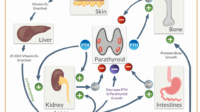
3) Hormonal crosstalk: Vitamin D intersects with endocrine networks, including parathyroid hormone (PTH) regulation. When vitamin D is corrected, PTH may normalize, which can influence downstream processes relevant to weight and water balance.
4) Behavioral shifts: Some individuals feel more energetic, sleep differently, or become more consistent with routines—each capable of nudging caloric intake downward without anyone consciously “dieting.”
Yet these pathways are not guaranteed. High-dose vitamin D can also destabilize the system, especially when dosing outruns the body’s capacity to handle calcium safely.

What “High-Dose” Really Means—and Why It Matters
The term “high-dose” is slippery. For some, it means a clinically supervised regimen aimed at correcting deficiency. For others, it means frequent large amounts based on online advice, without lab monitoring. The body’s threshold for safety depends on baseline vitamin D status, body composition, kidney health, and concurrent supplement use.
The risk profile changes most when high vitamin D leads to elevated calcium levels in the blood (hypercalcemia). That condition can trigger systemic symptoms that may resemble “weight loss” at first—because the body can become unwell, appetite can wobble, and fluid balance can shift. In other words, weight loss can become a side effect of illness, not wellness.
How High Vitamin D Might Seem Like Weight Loss
Imagine a timeline. At first, the body may respond with increased energy or steadier mood. Then, if dosing is excessive, the system can tip. Some people interpret the early phase as progress: fewer cravings, less snacking, a “light” feeling. But the body’s lighter sensation can be the result of dehydration, nausea, or a nervous system that’s slightly overstimulated by metabolic imbalance.
Common scenarios include:
Appetite suppression: Not the clean, controlled kind of appetite reduction—more like food becomes less appealing due to gastrointestinal irritation.
Water-weight fluctuations: Calcium-related changes can influence how the body retains or releases fluids.
Energy variability: Some people feel energized initially, then experience a crash, which can reduce daily movement and alter routine.
If weight loss is accompanied by symptoms, it deserves a medical lens rather than a motivational one.
Danger Signs: When Vitamin D Becomes a Hazard
The most important question is not whether high-dose vitamin D can affect weight—it can—but whether it’s doing so safely. Danger signs tend to reflect hypercalcemia or related toxicity.
Seek prompt medical advice if you notice:
• Nausea, vomiting, or persistent loss of appetite
• Excessive thirst (polydipsia) and frequent urination (polyuria)
• Constipation or abdominal discomfort
• Unusual fatigue, weakness, or confusion
• Muscle aches, tingling sensations, or abnormal heart rhythm sensations
• Dehydration symptoms such as dizziness or dry mouth
• New kidney discomfort or back pain
These aren’t “minor side effects.” They’re the body’s alarm system. Waiting for symptoms to “pass” can allow calcium imbalance to progress.

Laboratory Clues That Help Clarify What’s Going On
If you suspect your vitamin D dose is affecting your body—especially if weight loss is happening—labs can replace speculation. Clinicians typically look at:
• 25-hydroxyvitamin D (the main indicator of vitamin D status)
• Serum calcium (screen for hypercalcemia)
• PTH (parathyroid hormone can reveal calcium-vitamin D regulatory shifts)
• Creatinine / kidney function (because kidney involvement changes risk)
• Sometimes urinary calcium when appropriate
Here’s the mindset shift: weight changes alone are ambiguous. Lab patterns often tell the truth faster than any diary can.
Who Should Be Especially Cautious
Some people should treat high-dose vitamin D as a supervised intervention rather than an experiment. Risk can be elevated if you have kidney disease, a history of kidney stones, certain parathyroid disorders, granulomatous diseases (which can alter vitamin D handling), or you’re taking medications that interact with calcium metabolism. Additionally, combining vitamin D with high-calcium supplements or certain thiazide diuretics can increase the likelihood of calcium-related complications.
If you’re pregnant, elderly, or managing complex chronic conditions, the safety threshold should be handled with professional guidance. Curiosity is helpful; cavalier dosing is not.
What to Do If Weight Loss Starts and Symptoms Follow
If weight loss begins alongside nausea, thirst, or unusual fatigue, treat it as a potential warning rather than a victory. The first step is to pause the high-dose approach and seek medical evaluation. Bring your supplement list—including dose, frequency, and any calcium or magnesium products. If possible, request vitamin D and calcium labs.
Hydration can matter, but it should not become a substitute for medical assessment. Overcorrecting with fluids without diagnosis is risky, especially if kidney function is uncertain. The goal is to restore balance safely, not to “outdrink” a metabolic problem.
Safer Strategies: Getting the Benefits Without the Gamble
Many people can achieve normal vitamin D status with moderated dosing and periodic lab checks. Instead of increasing blindly, a thoughtful approach is to confirm deficiency, then use an evidence-based regimen. Sun exposure can contribute, but it is variable and should not be assumed as a precise replacement for supplementation.
A useful rhythm is:
Test → adjust → re-test. This reduces the likelihood that your body experiences a chemical overshoot. It also helps distinguish “vitamin D improved my life” from “vitamin D destabilized my physiology.”
Reframing the Question: Could It Still Be Legitimately Helpful?
Yes—vitamin D can be legitimately helpful, especially when deficiency exists. When corrected appropriately, it can enhance energy, support muscle function, and help normalize immune activity. That can indirectly assist weight management by improving activity capacity and reducing fatigue-driven inactivity.
But the reassuring narrative ends where danger begins. Weight loss paired with warning signs is not a mystery to solve through willpower; it’s a signal to investigate physiology.
High-dose vitamin D sits at an uncomfortable intersection of potential benefit and possible harm. If you’re seeing weight loss, let it spark curiosity—but also discipline. Track symptoms, review dosing, and check labs. Your body’s “clues” are more informative than any promise of rapid transformation.