It often begins quietly: a lingering sore throat, a stubborn bout of fatigue, or a winter that feels a little too harsh. Many people shrug these episodes off as “just bad timing,” yet the immune system is seldom accidental. Vitamin D—sometimes called the “sunshine nutrient” though it behaves more like a hormone—helps orchestrate the body’s defenses. When stores run low, the immune response can become less agile, and frequent illness may follow. Understanding the immune connection is not about panic; it’s about clarity, patterns, and prevention you can actually practice.
Vitamin D’s Immune Role: More Than Bone Health
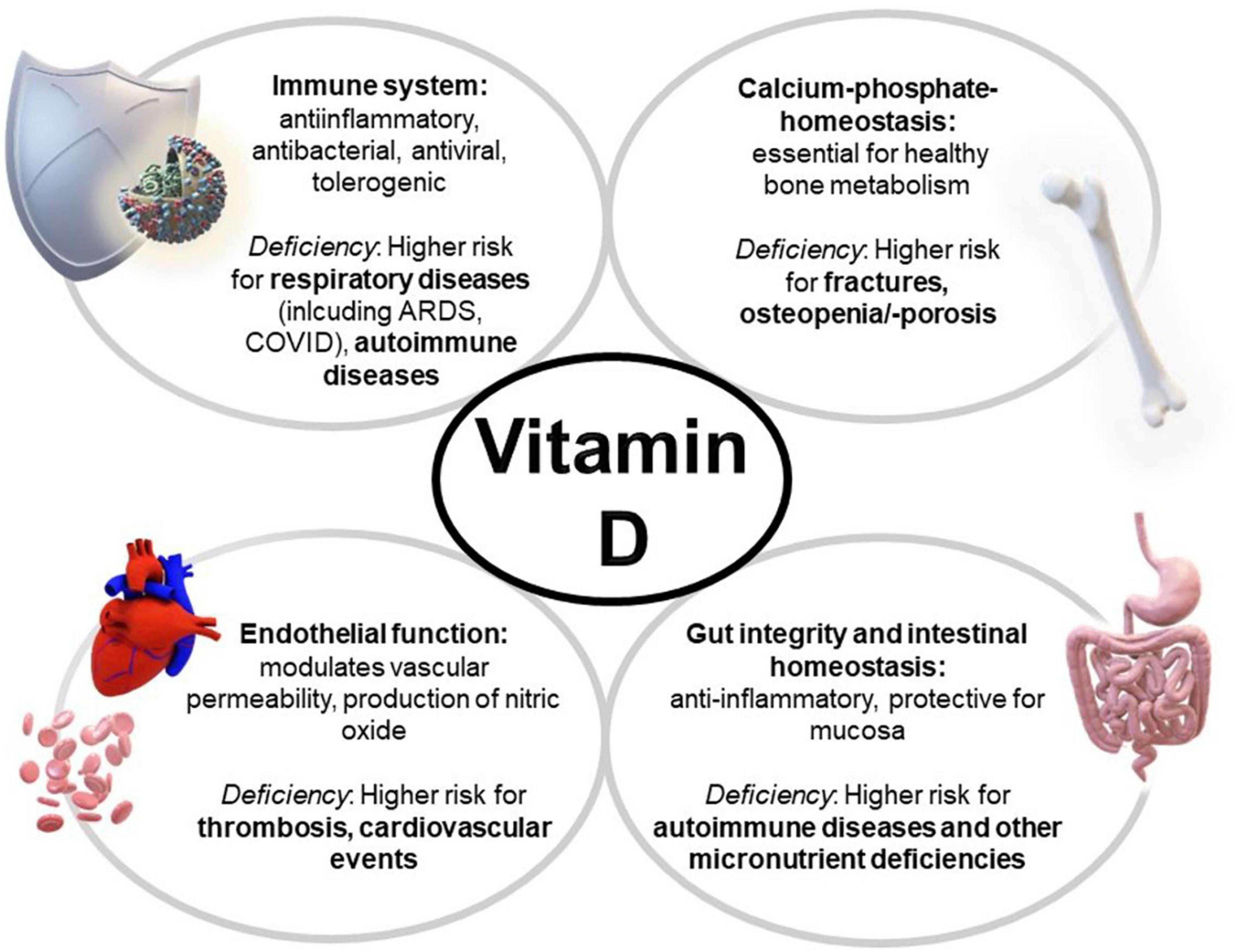
Vitamin D is often discussed in the language of bones, calcium, and fracture risk. Those concerns are real, but immune function tells an equally important story. In many tissues, vitamin D is converted into an active form that can influence gene expression. That means it doesn’t merely “support” immunity; it helps regulate how immune cells behave.
One of the most crucial aspects is immune calibration. The body must mount a response fast enough to contain threats, yet not so aggressively that it becomes self-destructive. Vitamin D supports this balancing act by interacting with immune signaling pathways and helping maintain a coordinated inflammatory tone. When levels are adequate, immune responses tend to be more proportionate—reactive without becoming chaotic.
In the real world, this can translate into fewer infections and more efficient recovery. When levels are consistently insufficient, the immune system may overcompensate in some directions and underperform in others, creating openings for viruses, bacteria, and persistent inflammation.
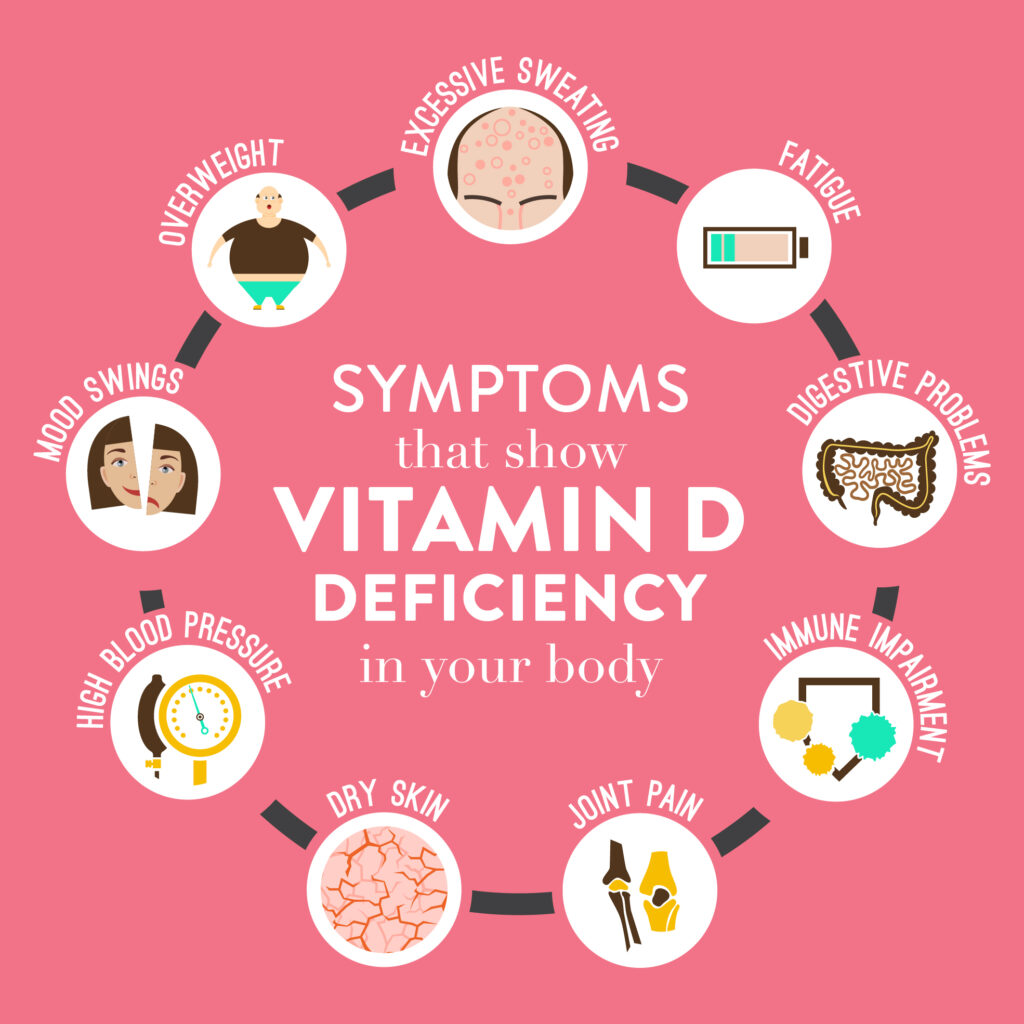
How Deficiency May Increase Susceptibility to Infections
Frequent illness is a frustrating phrase because it sounds vague, but the biology behind it can be specific. Many respiratory and systemic infections depend on early immune containment—especially at mucosal surfaces like the nose, throat, and airways.
Vitamin D contributes to innate immunity, the body’s first-line response. Innate defenses recognize danger signals quickly and initiate containment measures. With deficiency, these defenses can lose some of their vigor, making it easier for pathogens to establish themselves before the adaptive immune system can fully respond.
Another layer involves antimicrobial peptides—small molecules that can directly inhibit pathogens. Vitamin D helps regulate pathways that influence the production of these peptides. Think of them as molecular bouncers: they don’t replace the entire immune security team, but they slow down intruders at the entrance.
Deficiency also seems to affect inflammatory equilibrium. Excessively uncontrolled inflammation can damage tissues, while insufficient inflammation can delay clearance. Vitamin D helps nudge the system toward a steadier tempo—neither too sluggish nor too incendiary.
The “Frequent Illness” Pattern: What It Might Look Like
Not all recurring symptoms mean the same underlying problem. Still, vitamin D insufficiency often appears alongside a recurring pattern of minor infections—those colds that “stick around,” throat irritation that repeats every season, or prolonged recovery after an otherwise ordinary viral illness.
Some people notice winter worsening, especially when sunlight exposure declines. Others experience year-round episodes, which may correlate with limited outdoor time, heavy indoor schedules, or consistent sun-avoidance behaviors.
Consider how the immune timeline works. If each illness is slightly harder to shake, or if symptoms relapse soon after improvement, it suggests incomplete clearance or ongoing inflammatory stress. While vitamin D is not the only factor, low vitamin D can be one of the missing pieces that reduces resilience.
Fatigue can also travel with this pattern. Immune activity and inflammatory signaling are metabolically expensive. When vitamin D levels are low, some individuals experience a double burden: higher susceptibility and less energetic recovery.
Common Risk Factors: Why Deficiency Happens
Vitamin D deficiency is not only a “sunlight problem.” It is frequently a combination of physiology, lifestyle, and environment. Skin synthesis is the starting point, but numerous variables influence how much is ultimately available in circulation.
Low sun exposure is the obvious driver. However, seasonal latitude, weather patterns, and cultural clothing practices can also reduce ultraviolet B (UVB) reaching the skin. Even when people go outside, cloud cover, sunscreen use, and time of day can meaningfully alter vitamin D synthesis.
Diet can be another bottleneck. Few foods naturally contain substantial vitamin D, and fortified items vary by region. People who avoid certain food groups—or simply don’t consume vitamin D–rich or fortified options—may develop low stores gradually.
Absorption and metabolism matter, too. Gastrointestinal disorders, certain medications, and liver or kidney conditions can affect conversion and activation. Body composition can play a role as well; vitamin D can be sequestered in adipose tissue, potentially lowering bioavailability.
Finally, age changes the landscape. Older adults often produce vitamin D less efficiently in the skin, and the immune system’s responsiveness can shift with time—making optimization even more relevant.
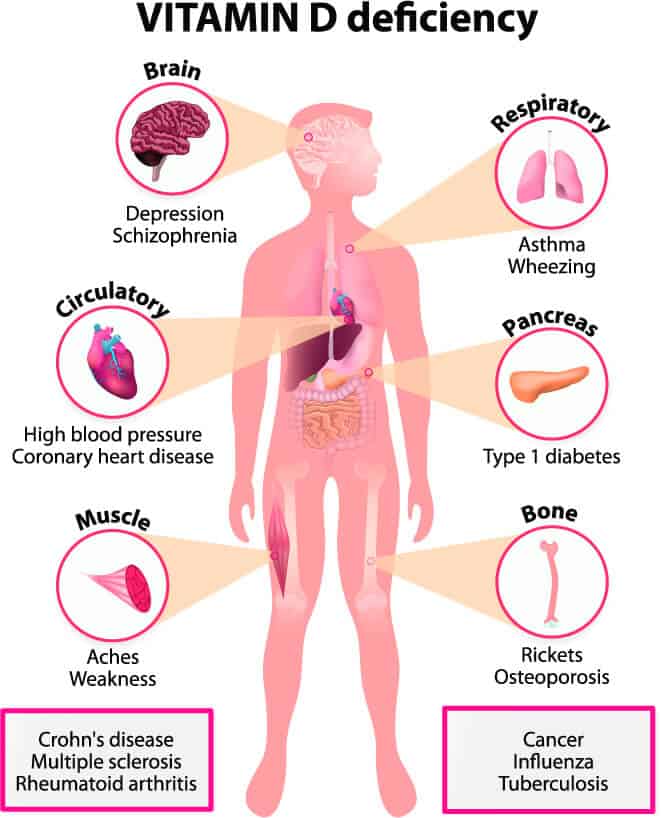
Signs and Symptoms: Clues Beyond the Lab Report
Vitamin D deficiency can be subtle. Some people feel nothing at first, then notice gradual changes: recurring aches, muscle weakness, or low-grade malaise that never quite resolves. Others experience mood shifts or sleep disruption, though these symptoms are nonspecific.
Because the immune connection is complex, symptoms can mimic other issues. Persistent respiratory discomfort, frequent headaches, or constant tiredness can point to many causes. That’s why a “diagnosis by symptom” is unreliable, but a “pattern-based suspicion” can be wise.
There’s also a conceptual warning: deficiency tends to be bilateral. If someone rarely goes outdoors, has limited dietary intake, and experiences repeated infections, the cumulative probability increases. The goal is not blame; it’s identification.
Laboratory testing remains the best route for clarity. Measuring 25-hydroxyvitamin D provides a more accurate view of current stores. It can also help determine whether symptoms are likely related or whether another mechanism is driving the frequent illness.
Testing and Interpreting Levels: Avoiding Guesswork
When discussing vitamin D, terminology matters. The lab marker most clinicians use is 25(OH)D, which reflects circulating vitamin D reserves. Reference ranges vary somewhat by guideline, but the essential principle is consistent: lower levels are linked with higher risks, including impaired immune regulation.
Interpretation should be individualized. A person with borderline results may be closer to sufficiency than someone with clearly depleted levels, but age, comorbidities, body weight, and medication use can influence how aggressively correction is pursued.
Equally important is timing. Vitamin D changes gradually. Testing too early after supplementation may not reveal the full benefit. A clinician can recommend an appropriate interval to recheck levels, especially if frequent infections persist.
Lab data is only one chapter in the narrative. It should be integrated with diet, sun exposure habits, infection frequency, and overall health context.
Supplementation Strategies: Gentle Correction, Steady Gains
Supplementation can be a practical lever, particularly when sunlight is limited. Yet the right approach depends on baseline levels and personal circumstances. Some people benefit from a maintenance regimen; others require a short-term corrective plan followed by a maintenance dose.
Consistency is the quiet engine of results. Irregular dosing can lead to fluctuating levels that never stabilize immune regulation. Many people find success by setting a routine—taking supplements at the same time of day, pairing them with meals that contain some dietary fat for improved absorption.
Long-term high-dose supplementation without monitoring can be counterproductive. While vitamin D is essential, it is not meant to be excessive. That’s why periodic re-evaluation matters, especially in individuals with kidney disorders or a history of calcium irregularities.
Beyond dosing, formulation and tolerability matter. Some people experience gastrointestinal discomfort with certain preparations, leading them to switch forms under medical guidance. When tolerated well and used responsibly, supplementation can help restore the immune “set point.”
Food and Lifestyle: Building Immune Resilience Daily
Supplements can fill gaps, but food and lifestyle create the scaffolding for consistent immune readiness. Vitamin D can be supported by dietary choices such as fatty fish (when included), egg yolks, and vitamin D–fortified dairy or plant alternatives depending on local availability.
Sunlight exposure, when safe and appropriate, remains one of the most natural methods of improving vitamin D status. The key is balance. Protective strategies still matter—especially for people with skin cancer risk or those who scar easily. Short, regular exposures might be more sustainable than rare, intense sessions.
Immune resilience is also influenced by habits that travel alongside vitamin D. Sleep quality affects immune orchestration. Chronic stress can distort inflammatory signaling. Hydration supports mucosal defenses. Nutrition provides micronutrients that operate as a symphony rather than a solo.
When vitamin D is optimized, these lifestyle supports can become more effective, amplifying the immune system’s capacity to respond without prolonged collateral inflammation.
When to Seek Medical Guidance: Red Flags and Persistent Recurrence
Most frequent illnesses are not emergencies, but persistent or escalating symptoms deserve attention. If infections become unusually frequent, severe, or prolonged—especially with weight loss, persistent fever, shortness of breath, or recurrent skin or lung complications—medical evaluation is warranted.
Similarly, if a person has known malabsorption conditions, chronic kidney or liver disease, or is taking medications that interact with vitamin D metabolism, guidance is essential. In those cases, supplementation plans should be medically tailored rather than improvised.
It’s also wise to evaluate other contributors to frequent illness: uncontrolled blood sugar, anemia, sleep apnea, smoking, chronic stress, poor diet, or exposure to pathogens in crowded settings. Vitamin D is part of a larger immune equation.
Still, if testing confirms deficiency and symptoms align with immune vulnerability, correcting vitamin D status can become an actionable step—one that supports both long-term health and day-to-day defensive competence.
Putting It Together: A Coherent Plan for Fewer Sick Days
Vitamin D deficiency and frequent illness are connected through immune regulation, innate defense readiness, and inflammatory balance. The immune system thrives on consistency. When vitamin D stores are adequate, immune responses can become more proportionate and efficient; when they’re low, vulnerability can quietly rise.
A cohesive plan blends testing, responsible supplementation, nutrition support, and sensible sunlight exposure. Add sleep, stress management, and general infection prevention habits, and the body gains extra margin—an ability to recover quickly and resist relapse.
In the end, the goal isn’t to eliminate every cold. It’s to restore immune reliability. Fewer episodes, shorter durations, and steadier energy can be realistic outcomes when vitamin D deficiency is addressed thoughtfully and sustainably.