Can a single nutrient—familiar, humble, and often overlooked—quietly lower your risk of respiratory infections? Imagine your immune system as a bouncer at the doorway of your lungs: it doesn’t just look tough; it has to recognize the right signals, respond with precision, and avoid overreacting. Now here’s the playful challenge—what if your next “prevention strategy” is as simple as ensuring you’re not running low on vitamin D?
First, the premise: what vitamin D actually does
Vitamin D is often discussed like it’s merely a bone helper, but its influence is broader—almost dramaturgical in its timing. Your respiratory tract isn’t isolated from your body’s internal chemistry. Immune cells in the airways can respond to vitamin D’s biochemical messages, and vitamin D can help orchestrate the immune response so it’s more calibrated when microbes attempt entry.
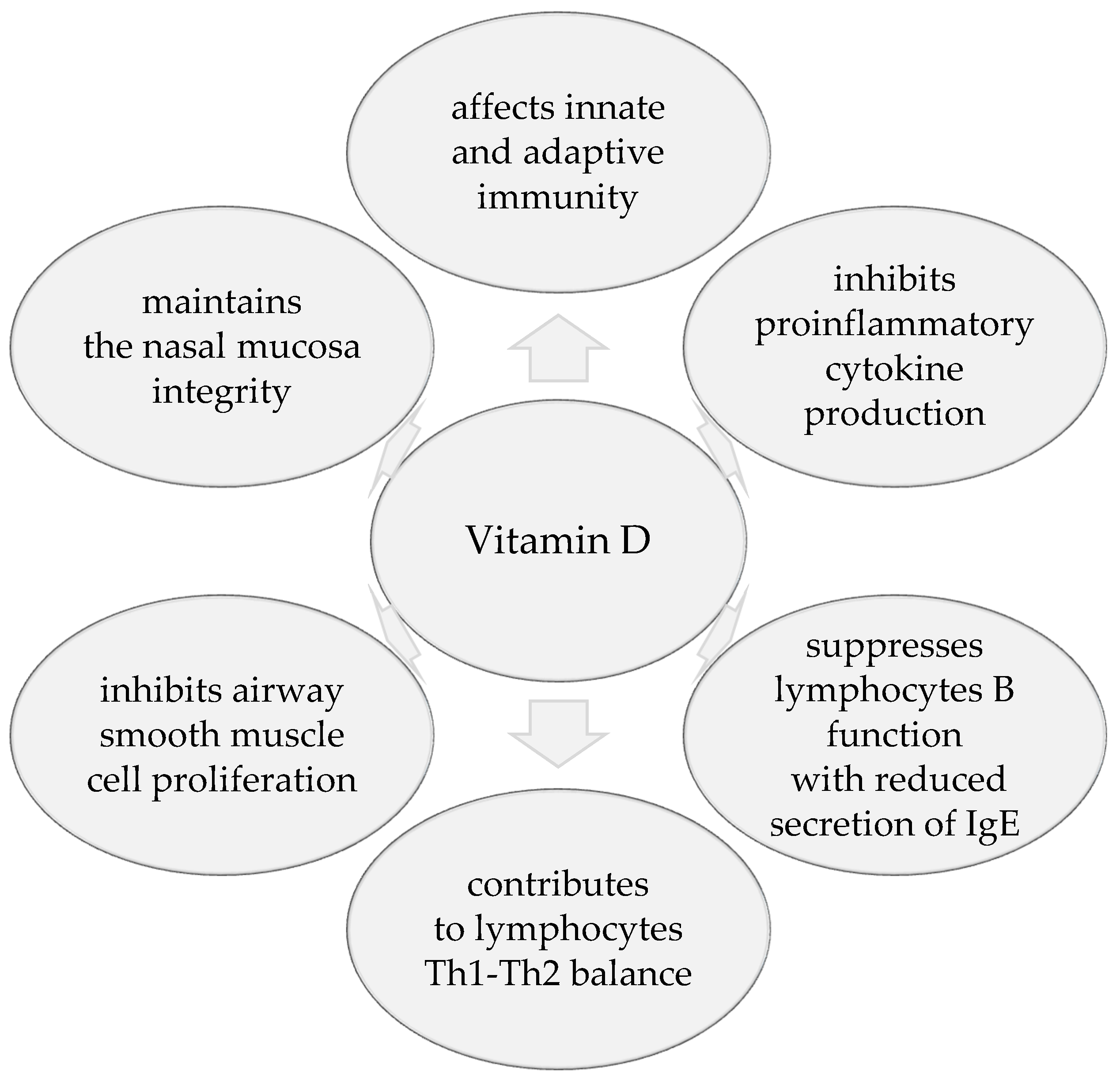
Think of vitamin D as a conductor. It can support innate defenses (the fast, first-line reaction) and also modulate adaptive immunity (the slower, more specialized response). This modulation matters because excessive inflammation can be as troublesome as the infection itself.
The “infection spectrum” problem: which respiratory infections are we talking about?
Respiratory infections cover a wide territory—common colds, influenza-like illnesses, bronchitis, and other viral or bacterial threats. The question is not whether vitamin D is a magical forcefield. Instead, it’s about whether adequate vitamin D status nudges your immune system toward better readiness and less susceptibility.
Studies across different age groups and seasons often look at outcomes such as incidence, severity, and sometimes duration of symptoms. The results can appear inconsistent at first glance, partly because vitamin D’s effect likely depends on baseline levels. When someone is already insufficient, the “margin for improvement” may be larger.
Seasonal timing: why winter feels like a microbial audition
Vitamin D production is heavily influenced by sunlight exposure. When days shorten, many people experience reduced vitamin D levels. That seasonal drop may coincide with higher respiratory infection rates, creating a situation where association can masquerade as causation.
But it’s not merely coincidence that vitamin D levels fall in colder months. Lower vitamin D may correspond with changes in immune function that reduce the body’s agility. In winter, your immune system is already dealing with more obstacles—dry indoor air, increased viral circulation, and crowded environments. If vitamin D is also low, the system may operate under suboptimal constraints.
How vitamin D supports the lungs’ immune environment
Your lungs are not passive pipes. Their lining contains immune signaling networks, and vitamin D can influence them. Adequate vitamin D may promote the production of antimicrobial peptides—molecules that can directly interfere with pathogens. It may also influence how immune cells behave, encouraging a response that targets invaders while keeping runaway inflammation in check.
Short sentence, important idea: the goal is balance. A balanced immune response can mean fewer infections, or milder symptoms if an infection occurs. A hyperinflamed response can worsen tissue irritation and prolong discomfort; vitamin D’s regulatory role may help prevent that spiral.
Deficiency is the doorway: why low vitamin D may raise risk
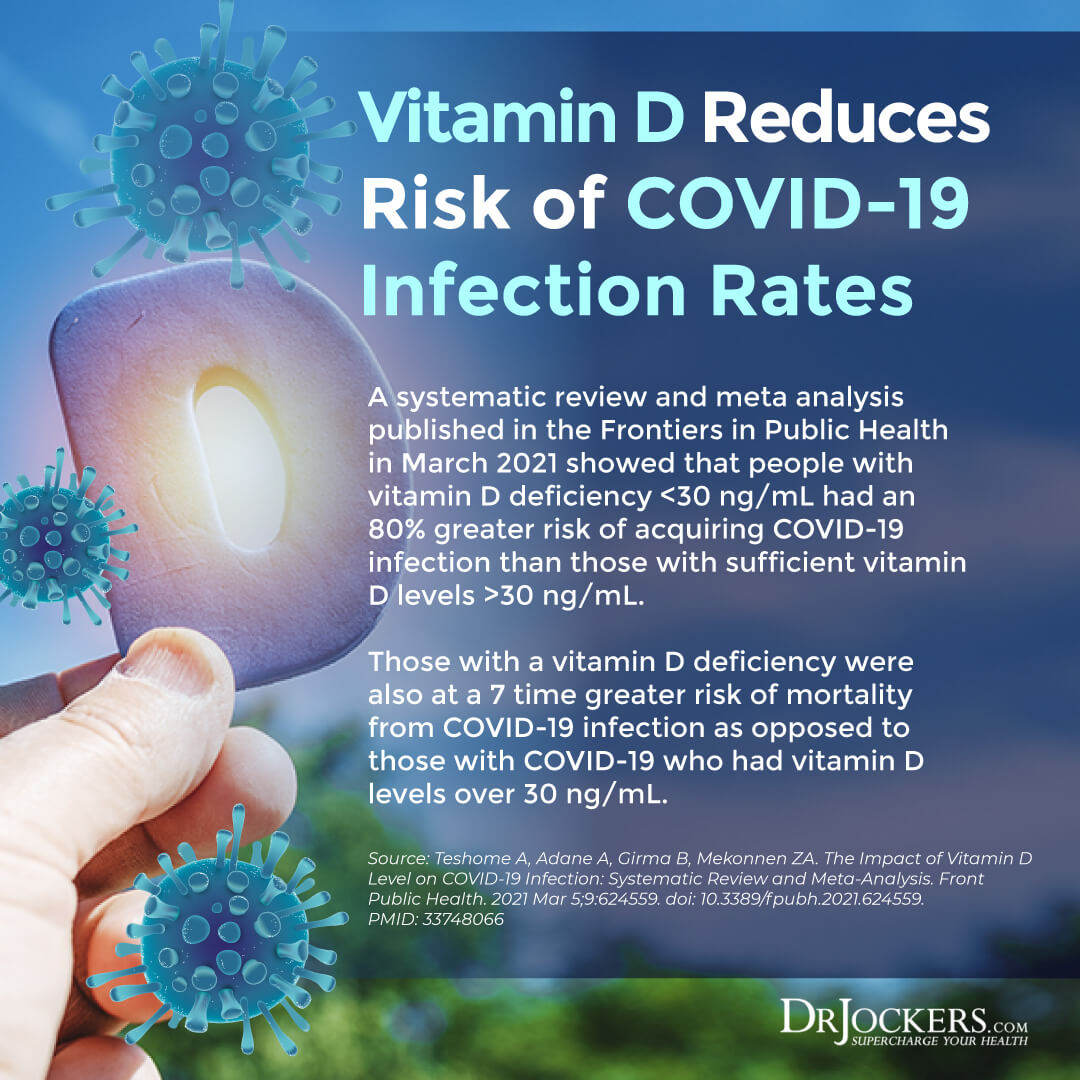
Here’s a key distinction: vitamin D appears most beneficial when someone is insufficient or deficient. If vitamin D levels are already adequate, additional supplementation may offer diminishing returns. This “threshold effect” is common in nutrition science—biology often rewards correction more than excess.
Low vitamin D can be linked to poorer immune performance, including altered inflammatory signaling. In practical terms, low vitamin D status may mean fewer immune-ready resources when respiratory pathogens start circulating.
What does the evidence suggest? A nuanced picture, not a yes/no button
Across clinical studies, vitamin D supplementation has been investigated for prevention of upper respiratory tract infections and other respiratory illnesses. Patterns frequently suggest that people with low baseline vitamin D experience more noticeable benefits. In contrast, results in populations with adequate vitamin D can be less dramatic.
Another nuance: outcomes differ. Some research focuses on frequency of infections; others examine severity, symptom duration, or hospitalization. Different study designs, dosing approaches, and seasonal timing complicate direct comparisons.
Still, the overall narrative leans toward plausibility: vitamin D supports immune function, and deficiency can compromise it. When levels are corrected, immune performance may improve.
The dosing riddle: how much is enough, and how do you avoid overdoing it?
Vitamin D supplementation isn’t an all-you-can-eat scenario. Too little may leave the immune system underprepared; too much can increase the risk of toxicity, usually through excessive calcium levels. That’s where careful, individualized guidance becomes essential.
Many people use standard preventive doses, but the “right” amount depends on baseline blood levels, age, body composition, sun exposure, and diet. Testing can clarify whether you’re actually in the insufficient zone.
If you’re planning supplementation, consider pairing it with professional oversight—especially if you have kidney disease, hyperparathyroidism, sarcoidosis, or a history of high calcium.
Food and sunlight: the slower, steadier approach
Vitamin D isn’t only pills. Fatty fish (like salmon and sardines), fortified dairy or plant-based alternatives, and egg yolks can contribute. Yet food alone often doesn’t fully correct deficiency for many individuals, particularly during low-sun seasons.
Sunlight exposure can help the body synthesize vitamin D, but the dose is slippery—dependent on latitude, skin tone, time of day, cloud cover, and sunscreen habits. It’s a balancing act: protective behavior is crucial, but so is awareness of vitamin D status.
In other words: prevention should be strategic, not impulsive.
Who might benefit most?
Several groups may have a heightened likelihood of low vitamin D: people who live at higher latitudes, those who spend limited time outdoors, older adults, individuals with darker skin pigmentation, and people with conditions affecting absorption. Obesity can also influence vitamin D status, since the vitamin can be sequestered in body fat.
If you belong to one or more of these categories, it may be worth viewing vitamin D not as a trendy add-on, but as an immune-supportive baseline.
Vitamin D is not a standalone shield—pair it with proven basics
Even if vitamin D lowers risk, it won’t replace fundamentals. Respiratory protection is multi-layered. Wash hands, improve ventilation, and follow vaccination recommendations. Stay hydrated. Sleep is not optional—your immune system runs on recovery time.
Think of vitamin D as part of your immune’s “maintenance plan,” not as a single hero ingredient. The strongest prevention strategies combine nutrients with behaviors.
A practical, playful game plan for the coming season
Here’s a friendly challenge you can actually complete: check your vitamin D status, adjust responsibly, and then watch how your routine evolves. Start with a simple question—are you likely to be insufficient? If yes, consider testing and discussing supplementation with a clinician. If no, focus on consistent dietary intake and safe sunlight exposure.
Then layer in the rest: adequate sleep, mindful stress management, and reasonable physical activity. Short sentence, long impact: prevention works best when it’s habitual.
The bottom line: reduce risk, but keep expectations realistic
Vitamin D can plausibly reduce the risk of respiratory infections, particularly when deficiency is present. Its immune-modulating role supports both antimicrobial defenses and inflammation control. Yet it is not a guaranteed shield, and effects may vary depending on baseline vitamin D status, study design, and timing.
If you want a sensible conclusion: treat vitamin D as a foundational nutrient for immune competence, correct deficiency where it exists, and combine it with established respiratory-protection habits.
So, can vitamin D reduce your risk? The most accurate answer is: it may—especially when you’re starting from low levels.