For postmenopausal women, the question of how to maintain vitality often becomes a crossroads: should the focus lean toward sunlight and the body’s own chemistry, or toward supplements engineered to fill nutritional gaps? In a recent US-focused line of inquiry, researchers and clinicians kept circling the same practical theme—bone strength, metabolic health, and immune resilience are not governed by a single lever. Instead, they emerge from an intricate choreography of vitamin D status, calcium handling, lifestyle patterns, and overall nutrient sufficiency. The debate sounds simple, yet the biology is anything but. Let’s walk through what the sunlight-versus-supplements comparison can mean in real life, and what readers can expect from different types of content along the way.
Why sunlight keeps showing up in postmenopausal health conversations
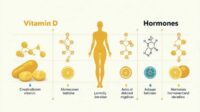
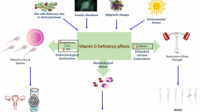
Sunlight is not just a mood enhancer; it is a biochemical dispatch system. When skin is exposed to ultraviolet B (UVB) radiation, it helps generate vitamin D precursors, which the body then converts into its active forms. For postmenopausal women—an age group that often experiences accelerated bone mineral density loss—this vitamin D pathway matters because it supports calcium absorption and bone remodeling.
But sunlight’s benefits are coupled to constraints. Seasonality, latitude, cloud cover, sunscreen use, clothing habits, and skin tone can all change the dose your body receives. Even time spent outdoors may not equate to meaningful UVB exposure if the sunlight is filtered or the angle is low. Short sentences help here: sunlight can be powerful, yet inconsistent.
Readers should also be aware of a common misconception: “more sun” is not automatically “better.” Excessive ultraviolet exposure increases the risk of skin damage, including photoaging and skin cancers. So the most effective sunlight strategy is typically “sufficient, not excessive,” ideally aligned with skin safety and personal risk factors.
Supplements: targeted dosing, predictable intake, and its tradeoffs
Supplements offer an appealing kind of certainty. Instead of relying on variable UVB exposure, a tablet or capsule delivers a standardized amount of vitamin D (and sometimes calcium, magnesium, or vitamin K2). For postmenopausal women who struggle to reach adequate vitamin D status through sunlight alone—or who have mobility limits, indoor-heavy routines, or seasonal constraints—this can be a pragmatic approach.
There are different supplement “flavors,” and each carries distinct considerations. Vitamin D3 is commonly used, often preferred due to its effectiveness at raising circulating 25-hydroxyvitamin D. Some products combine vitamin D with calcium, aiming to address the pairing that bone cells often require. Others include co-factors like magnesium, which participates in vitamin D metabolism. Vitamin K2 sometimes appears in the conversation as well, because it relates to pathways involving calcium deposition and bone matrix regulation.
Yet, predictability can be a double-edged sword. Taking supplements without adequate baseline assessment can lead to excess in certain people, particularly when high-dose regimens are used for long periods. The body’s “set point” isn’t identical for everyone. A short-term benefit can coexist with a long-term imbalance if dosing is mismatched.
What the US study lens typically examines: more than vitamin D alone
When a US-based study examines sunlight versus supplements in postmenopausal women, it usually treats vitamin D status as one thread in a larger tapestry. Researchers often look at outcomes connected to musculoskeletal health—bone mineral density proxies, fracture risk indicators, and markers of mineral metabolism. They may also evaluate inflammatory trends or general health metrics, because vitamin D interacts with immune signaling pathways.
However, sunlight exposure is rarely a clean variable. People who spend time outdoors can differ in diet quality, physical activity, body weight, and socioeconomic factors. These confounders can make “sunlight” function like a surrogate for broader lifestyle patterns. Conversely, supplement use may correlate with health-conscious behavior, access to healthcare, or prior detection of low nutrient levels.
Readers should expect the kind of content that clarifies this nuance: not “sunlight good, supplements bad,” nor “supplements best.” Instead, it is usually “the pathway matters, the context matters, and the outcome depends on how baseline status aligns with dosing or exposure.”
Bone strength and calcium balance: where the decision becomes practical
Postmenopausal bone changes can accelerate because estrogen plays a protective role in maintaining bone remodeling equilibrium. Vitamin D is a key supporting actor. Without adequate vitamin D, calcium absorption becomes less efficient, which can nudge the body toward compensatory pathways—pathways that may gradually weaken bone density.
Sunlight contributes by enabling the body to synthesize vitamin D precursors. Supplements contribute by delivering vitamin D directly. The difference is how reliably each approach can maintain sufficient vitamin D levels across time. In the real world, sunlight can be adequate one winter and insufficient another. Supplements can be adequate year-round, but only if taken consistently and dosed appropriately.
Content readers often appreciate in this section includes comparison tables, dose-range discussions, and “what to watch for” symptom narratives—especially signs related to calcium metabolism (such as muscle cramps) or vitamin D over-sufficiency (less common, but relevant). Long sentences can linger here, because bone biology is interwoven with endocrine signaling and dietary habits.
Safety considerations: skin risk versus nutrient excess
Sunlight safety is non-negotiable. Dermatologic risk increases with ultraviolet exposure, particularly with repeated burn events or high cumulative exposure. A balanced message often appears in high-quality content: aim for adequate vitamin D support without inviting ultraviolet harm. That might mean timed outdoor exposure with protective habits, rather than prolonged unshielded exposure.
For supplements, safety hinges on dosing and monitoring. Many people can benefit from standardized low-to-moderate vitamin D intake, while others may require tailored dosing based on blood tests. Because vitamin D is fat-soluble, it can accumulate. This is why evidence-based content frequently encourages clinicians to check vitamin D status—often using 25-hydroxyvitamin D—before committing to high-dose strategies.
Readers can expect checklists: who should be cautious, which conditions increase risk, and how to think about co-supplementation with calcium or magnesium. Short sentences are useful for emphasis: “Do not guess high doses.” “Consider lab guidance.”
How diet and lifestyle amplify or blunt the sunlight/supplement effect
Sunlight and supplements do not operate in isolation. Calcium intake from diet (dairy, fortified beverages, leafy greens, calcium-set tofu) is a crucial co-variable. Protein adequacy influences bone matrix support. Physical activity—especially weight-bearing and resistance training—signals bone to maintain strength. Sleep, body composition, and smoking status can further modulate outcomes.
This is where narrative content can be most compelling. Instead of treating vitamin D as a stand-alone solution, stronger articles frame it as a “bridge nutrient”—a connector between light exposure, dietary minerals, and skeletal mechanics. Supplements can help bridge the gap when sunlight is limited; sunlight can support vitamin D when diet is already mineral-rich. Either way, total lifestyle quality often predicts how well the intervention “clicks.”
Different content formats readers can expect: from myths to meal plans
Quality writing about this topic often comes in several “reader modes.” One mode is educational explainer content—clear definitions of vitamin D forms, how the body metabolizes them, and what “sufficient” means. Another mode is decision-support content, such as scenarios: limited outdoor time, winter living, darker skin tones, mobility challenges, or those already taking calcium. There is also a practical mode—meal and routine suggestions that help integrate vitamin D and calcium into day-to-day life.
Some readers prefer myth-busting. Common myths include “sunlight eliminates the need for supplements entirely” and “supplements make outdoor activity unnecessary.” Both statements can be overly simplistic. Others want actionable guidance: outdoor time planning, safe skin practices, and supplement pairing strategies (timing with meals, avoiding redundant high-dose products, and considering magnesium co-factors).
Finally, narrative mode—stories of routines changing across seasons—can humanize the research. Long winter afternoons can feel like a vitamin D deficit. Summer weeks can feel like abundance. The real lesson is continuity: maintain adequacy with safe exposure or consistent supplementation, while treating bone health as a multidimensional project.
Bottom line: the most effective approach is often individualized
The sunlight-versus-supplements debate for postmenopausal women is best resolved with personalization rather than ideology. Sunlight can be a physiologic advantage when exposure is sufficient and skin safety is preserved. Supplements can be a reliable tool when sunlight is inconsistent or when vitamin D status is insufficient. Many women benefit most from a blended approach—supporting vitamin D through the pathway that best fits their lifestyle, then reinforcing it with calcium intake, movement, and appropriate monitoring.
Ultimately, the goal is not to crown a single winner. The goal is to maintain skeletal strength, metabolic steadiness, and resilience through an evidence-aligned plan that respects both biology and real-world constraints.